Physiocare Physiotherapy & Rehab Centre Ottawa

Now Open: Our 8th Location in South Keys!

Spinal Joint Dysfunction (Back and Neck Pain) Treatment at Physiocare

Key Takeaways

  • Spinal joint dysfunction can contribute to back pain, neck pain, stiffness, and reduced mobility
  • Physiotherapy may help improve spinal mobility, reduce pain, and restore function through hands-on treatment and individualized care
  • Treatment may include spinal manipulation (when appropriate), mobilizations, soft tissue techniques, exercise therapy, and therapeutic modalities
  • Early assessment and treatment may help reduce the risk of ongoing pain and support long-term function

Physiocare's Experience in Action

Understanding Spinal Joint Dysfunction (Back and Neck Pain)

What Are Spinal Joint Dysfunction (Back and Neck Pain)?

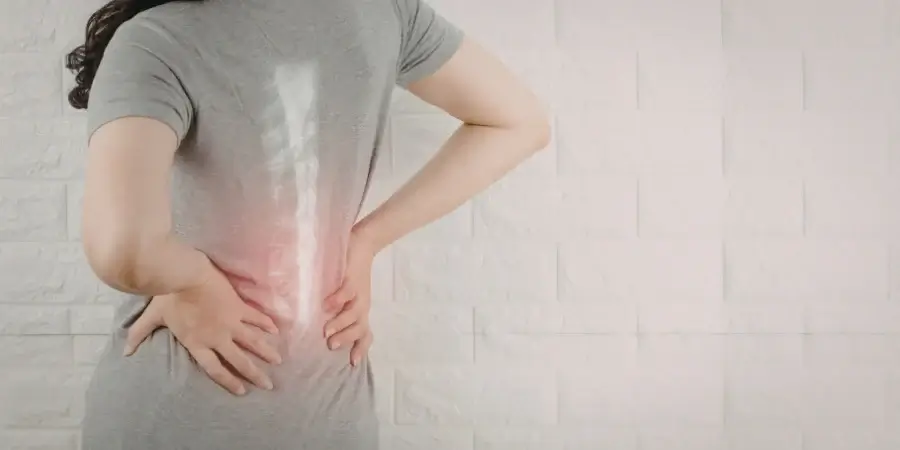
Spinal joint dysfunction refers to mechanical problems affecting the joints, muscles, and supporting structures of the spine. It commonly presents as neck pain, low back pain, stiffness, muscle tightness, or difficulty moving comfortably during daily activities. Physiotherapy can help identify contributing factors and develop an individualized treatment plan to improve mobility and function.

Changes in spinal mobility may lead to muscle tightness, movement limitations, and discomfort. Over time, these issues can affect daily activities, work, exercise, and overall quality of life if not properly managed.

Relevant Spinal Anatomy

  • Vertebrae: Individual bones stacking to form your spinal column, providing structure and protection
  • Facet Joints: Small joints connecting each vertebra, allowing controlled spinal movement
  • Intervertebral Discs: Cushioning structures between vertebrae that absorb shock during movement
  • Spinal Ligaments: Strong bands connecting bones and maintaining spinal stability
  • Paraspinal Muscles: Deep and superficial muscles supporting spinal alignment and movement

Understanding this anatomy helps you recognize why restricted joint movement creates widespread discomfort throughout your back and neck.

Spinal Manipulation Disorders causes

Causes and Mechanisms of Injury

  • Poor Posture: Prolonged sitting or forward head position creating cumulative stress on spinal joints
  • Sudden Movements: Awkward twisting, lifting, or bending overwhelming spinal structures
  • Repetitive Strain: Occupational activities or sports requiring repeated spinal movements
  • Trauma: Motor vehicle accidents or falls disrupting normal joint mechanics
  • Degenerative Changes: Age-related wear creating stiffness and reduced joint mobility

These factors may contribute to joint irritation, muscle tension, and movement restrictions that can result in pain and reduced function.

Risk Factors

  • Sedentary lifestyle with prolonged sitting reducing spinal flexibility and strength
  • Previous back injuries creating compensatory movement patterns and weakness
  • Poor core strength failing to provide adequate spinal support during activities
  • Occupational demands involving heavy lifting, bending, or sustained awkward positions
  • Age-related changes reducing tissue elasticity and joint lubrication

Recognizing these risk factors empowers you to make informed decisions about prevention and early treatment.

Common Symptoms

  • Localized Pain: Sharp or dull discomfort in specific spinal regions, often worse with movement
  • Stiffness: Reduced ability to bend, twist, or turn comfortably through normal ranges
  • Muscle Tension: Tight, knotted feeling in back or neck muscles surrounding affected joints
  • Radiating Discomfort: Pain spreading into shoulders, arms, hips, or legs depending on location
  • Movement Restrictions: Difficulty performing daily tasks like reaching overhead or bending forward

Symptoms vary from person to person and may fluctuate depending on activity levels, posture, workload, and other contributing factors.

Complications If Untreated

  • Chronic pain patterns developing as compensation strategies become ingrained habits
  • Persistent movement limitations and recurring pain episodes affecting daily activities
  • Muscle weakness and atrophy from reduced activity and protective guarding
  • Decreased functional capacity limiting work performance and recreational activities

Treatment at Physiocare for Spinal Joint Dysfunction (Back and Neck Pain)

Comprehensive Treatment Approaches

Spinal Manipulation

  • High-velocity, low-amplitude thrust techniques restoring normal joint mechanics quickly
  • Creates audible “pop” as gas bubbles release from joint capsules during repositioning
  • May help reduce pain and improve movement in selected patients when clinically appropriate
  • May help improve joint mobility and reduce muscle tension as part of a comprehensive treatment plan

Maitland Mobilizations

  • Gentle, graded oscillatory movements applied to specific spinal segments for pain relief
  • Progresses from small to larger amplitudes based on your comfort and tissue response
  • May help reduce stiffness and improve comfort while maintaining patient control throughout treatment
  • Particularly effective for irritable conditions requiring cautious manual approaches

Mulligan Mobilizations

  • Combines sustained joint gliding with active patient movement for immediate relief
  • “Mobilization with Movement” technique addressing positional faults in spinal segments
  • Often allows patients to assess changes in comfort and movement during treatment
  • Retrains normal movement patterns by pairing manual correction with functional activities

Myofascial Release

  • Sustained pressure applied to tight connective tissue surrounding spinal structures
  • Releases fascial restrictions that perpetuate abnormal joint mechanics and pain
  • May help improve tissue flexibility, reduce muscle tension, and support comfortable movement
  • Addresses compensatory patterns in muscles distant from primary pain location

DNS (Dynamic Neuromuscular Stabilization)

  • Activates deep core stabilizers using developmental movement patterns from infancy
  • Focuses on improving core muscle activation, movement control, and spinal support
  • Improves breathing mechanics that naturally stabilize spine during all activities
  • May contribute to improved posture and movement efficiency when combined with exercise and education

TENS (Transcutaneous Electrical Nerve Stimulation)

  • Electrical stimulation may help manage pain and improve comfort during rehabilitation
  • Provides immediate relief allowing participation in therapeutic exercises comfortably
  • Reduces muscle spasms through gentle rhythmic stimulation of affected tissues
  • Non-invasive pain management alternative reducing reliance on medication

IFC (Interferential Current)

  • Deeper-penetrating electrical therapy reaching spinal joints and surrounding structures effectively
  • May help manage pain and support the rehabilitation process in some patients
  • Stimulates blood flow bringing oxygen and nutrients to injured tissues
  • Comfortable treatment with adjustable intensity based on individual tolerance

Laser Therapy

  • Photobiomodulation using specific wavelengths to stimulate cellular healing at tissue level
  • Reduces inflammation by modulating immune response and decreasing pro-inflammatory mediators
  • May support tissue healing and help reduce pain and inflammation as part of a broader treatment program
  • Painless treatment promoting healing without medication side effects or recovery time

How Physiotherapy Helps Manage Spinal Joint Dysfunction (Back and Neck Pain)

Physiotherapy addresses both immediate symptoms and underlying causes through comprehensive assessment and treatment. Your therapist identifies specific joint restrictions, muscle imbalances, and movement dysfunctions contributing to pain.

Evidence-based manual techniques restore normal joint mechanics while therapeutic exercises rebuild strength and flexibility. This combination prevents symptom recurrence by correcting compensatory patterns that perpetuate dysfunction.

Education about posture, ergonomics, and self-management strategies empowers you to maintain improvements long-term. Our patient-centered approach ensures treatment aligns with your goals, lifestyle, and recovery timeline.

Clinician-Reviewed Treatment Approach at Our Barrhaven Location

At our Barrhaven clinic, treatment is guided by a comprehensive physiotherapy assessment to identify the specific factors contributing to your symptoms. Care is individualized and may include manual therapy techniques, including spinal manipulation where appropriate, joint mobilizations, soft tissue treatments such as myofascial release, dry needling, and cupping therapy, as well as electrotherapy modalities to support pain management and recovery.

Treatment also includes a structured home exercise program focused on core stabilization, movement control, flexibility, and strength to help support long-term results. Patient education plays an important role in recovery, with guidance on posture, biomechanics, workplace ergonomics, activity modification, and strategies to reduce the risk of recurrence.

Clinical Content Reviewer:
Makram Guirguis, BSc PT, MSc PT, CSMT
Clinic Director, Physiocare+ Physiotherapy & Rehab Centre

Your Treatment Journey

Step 1: Comprehensive Assessment
Detailed evaluation of spinal mobility, muscle function, posture, and movement patterns identifies specific dysfunction sources.

Step 2: Personalized Treatment Plan
Customized program combining appropriate manual techniques, modalities, and exercises based on assessment findings and your goals.

Step 3: Evidence-Based Treatment
Progressive application of spinal manipulation, mobilizations, and therapeutic interventions restoring optimal function systematically.

Step 4: Recovery and Prevention
Graduated exercise progression, ergonomic modifications, and self-management education ensuring lasting results and preventing recurrence.

Location-Specific Treatment Options

Physiocare Physiotherapy & Rehab Centre - Nepean

  • Spinal Manipulation
  • Myofascial Release
  • TENS
  • IFC
  • Laser

Physiocare Physiotherapy & Rehab Centre - Carling

  • Myofascial Release
  • TENS
  • IFC
  • Laser

Physiocare Physiotherapy & Rehab Centre - Westboro

  • Myofascial Release
  • DNS (Dynamic Neuromuscular Stabilization)
  • TENS
  • IFC
  • Laser

Physiocare Physiotherapy & Rehab Centre - Kanata

  • Myofascial Release
  • DNS (Dynamic Neuromuscular Stabilization)
  • TENS
  • IFC
  • Laser

Physiocare Physiotherapy & Rehab Centre - Stittsville

  • Spinal Manipulation
  • Myofascial Release
  • DNS (Dynamic Neuromuscular Stabilization)
  • TENS
  • IFC
  • Laser

Physiocare Physiotherapy & Rehab Centre - Barrhaven

  • Spinal Manipulation
  • Myofascial Release
  • TENS
  • IFC
  • Laser

Why Choose Physiocare for Spinal Joint Dysfunction (Back and Neck Pain)?

Our team combines advanced certifications in manual therapy, DNS, and specialized modalities with genuine compassion for your recovery journey. We understand how spinal pain disrupts work, family time, and activities you love.

With eight convenient locations across Ottawa, accessing expert care fits seamlessly into your schedule. As a leading physiotherapy clinic in Ottawa, we provide evidence-based treatment in comfortable, welcoming environments where your concerns are heard and your goals drive every decision.

Frequently Asked Questions

Many patients tolerate spinal manipulation well and may notice improvements in pain or mobility after treatment. Responses vary depending on the individual and underlying condition.

Previous experiences vary widely based on assessment accuracy and technique selection. Our comprehensive evaluation identifies specific dysfunction sources, ensuring appropriately targeted treatment for your unique presentation.

No referral is necessary. You can book directly, though some insurance plans provide better coverage with physician referrals. We help you understand your specific coverage details.

Recovery timelines vary depending on the nature of the condition, symptom duration, overall health, and individual response to treatment. Some patients notice changes early, while others require a longer course of care.

When performed by trained physiotherapists, spinal manipulation is extremely safe. We conduct thorough screening to identify any contraindications before applying these techniques to ensure your safety.

Treatment duration depends on condition severity, how long symptoms have existed, and your response to therapy. The number of sessions required varies based on your assessment findings, treatment goals, symptom severity, and progress throughout rehabilitation. Your physiotherapist will discuss expectations and adjust your plan as needed.

Your therapist provides specific guidance based on your condition. Generally, modified activity maintains fitness while avoiding aggravating movements. We help you gradually return to full activity safely.

Comfortable, loose-fitting clothing allowing access to your spine works best. Athletic wear or clothing you'd exercise in typically provides appropriate access for assessment and treatment.

Most extended health plans cover physiotherapy services. Coverage limits vary by policy. Our administrative team helps verify your benefits and maximize available coverage for your care.

We provide comprehensive home exercise programs and self-management strategies to maintain improvements. If symptoms recur, early intervention prevents regression, and we're here to support your continued wellness.

Our Professional Team at Physiocare

Healing Hands, Happy Hearts: What Our Patients Say

[trustindex no-registration=google]

Citations and References​

  1. Bronfort G, et al. “Efficacy of spinal manipulation for chronic headache: a systematic review.” Journal of Manipulative and Physiological Therapeutics, 2001; 24(7):457-466. Available at: https://pubmed.ncbi.nlm.nih.gov/11562654/
  2. Coulter ID, et al. “Manipulation and mobilization for treating chronic low back pain: a systematic review and meta-analysis.” The Spine Journal, 2018; 18(5):866-879. Available at: https://www.thespinejournalonline.com/
  3. Gross A, et al. “Manipulation or mobilisation for neck pain: a Cochrane Review.” Manual Therapy, 2010; 15(4):315-333. Available at: https://pubmed.ncbi.nlm.nih.gov/20510644/
  4. Mayo Clinic. “Back pain: Diagnosis and treatment.” Available at: https://www.mayoclinic.org/diseases-conditions/back-pain/diagnosis-treatment/drc-20369911
  5. Physiopedia. “Spinal Manipulation.” Available at: https://www.physio-pedia.com/Spinal_Manipulation
Request Appointment

Request For Callback


This will close in 0 seconds

Register for Event

Please fill the form below to book your slot for the event

This will close in 0 seconds

Call Now Button