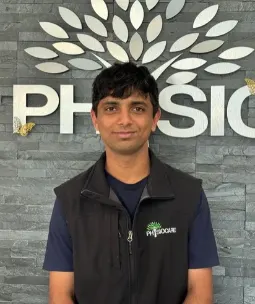
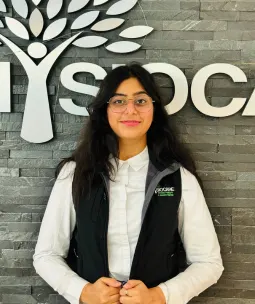
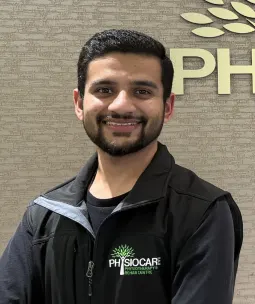
Physiocare Physiotherapy & Rehab Centre Ottawa

Now Open: Our 8th Location in South Keys!

Lateral Epicondylalgia (Tennis Elbow) Treatment at Physiocare Physiotherapy & Rehab Centre

KEY TAKEAWAYS 

✓ Tennis elbow causes pain on the outer elbow from repetitive strain, affecting daily activities and grip strength
✓ Evidence-based treatments including shockwave therapy, laser, and hands-on techniques effectively reduce pain and restore function
✓ Personalized physiotherapy addresses the root cause, not just symptoms, preventing long-term complications

Physiocare's Experience in Action

Updated on July 25, 2026
Prateeksha Viradiya
Written By
Prateeksha Viradiya
Resident Physiotherapist
Specializes in Aquatic Rehab and is a Certified Aquafit Instructor.

Gunjan Vermani
✓ Clinically Reviewed By:
Gunjan Vermani
Director and Registered Physiotherapist
15+ Years Experience
Clinical Specialties: Central pain management, Concussion rehabilitation

Understanding Lateral Epicondylalgia (Tennis Elbow)

What Is Lateral Epicondylalgia?

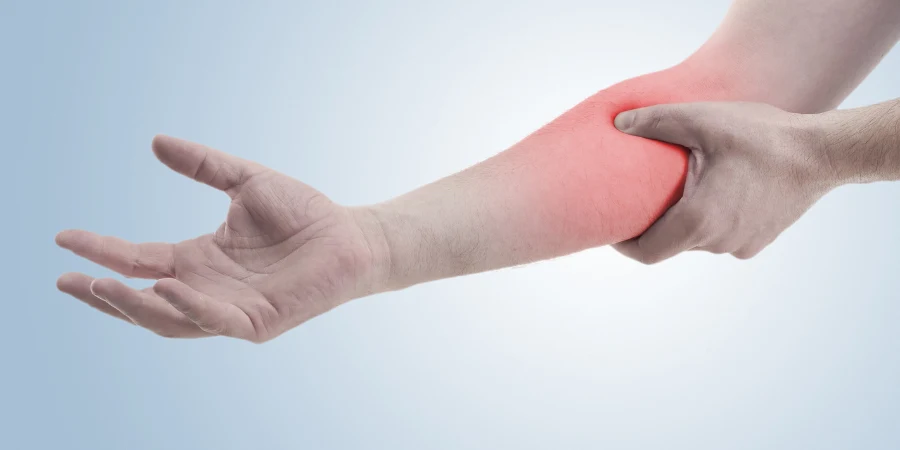
Lateral epicondylalgia, commonly known as tennis elbow, is a painful condition affecting the tendons that attach to the outer part of your elbow. Despite its name, you don’t need to play tennis to develop this condition. It occurs when the tendons connecting your forearm muscles to the bony prominence on the outside of your elbow become overloaded, irritated, or develop small tears.

The pain typically develops gradually and can range from mild discomfort to severe, debilitating pain that interferes with simple daily tasks. Many people describe it as a burning or aching sensation that worsens with specific movements, particularly gripping, lifting, or twisting actions.

Anatomy of the Elbow and Forearm

Lateral Epicondyle: The bony bump on the outside of your elbow where multiple forearm tendons attach. This is the primary site of pain in tennis elbow.

Extensor Tendons: Strong, fibrous tissues connecting forearm muscles to the elbow bone. The extensor carpi radialis brevis tendon is most commonly affected, though neighboring tendons may also be involved.

Forearm Muscles: These muscles control wrist extension, finger extension, and grip strength. When overworked, they place excessive stress on the tendon attachments at the elbow.

Radial Nerve: Runs near the affected area and can become sensitized, contributing to pain patterns that radiate down the forearm.

Causes and Mechanism of Injury

Repetitive Wrist Extension: Activities requiring repeated backward bending of the wrist (like using a screwdriver or painting) gradually strain the extensor tendons, leading to microscopic damage and inflammation.

Gripping Activities: Sustained or forceful gripping tasks (carrying heavy bags, using hand tools, typing) place continuous tension on the tendon attachment points.

Sudden Overload: A single forceful movement or unaccustomed heavy lifting can trigger symptoms, especially if the tendons are already weakened from previous strain.

Poor Technique: Incorrect form during sports, workplace activities, or exercise can concentrate force at the elbow rather than distributing it properly through the arm and shoulder.

Risk Factors for Developing Tennis Elbow

Occupational Demands: Jobs requiring repetitive arm movements (plumbers, carpenters, painters, butchers, cooks) significantly increase risk due to daily cumulative strain on forearm tendons.

Age and Tissue Changes: Most common between ages 30–50, when tendons naturally lose some elasticity and become more vulnerable to overuse injuries and slower to heal.

Racquet Sports: Tennis, squash, and badminton players face higher risk, especially with improper grip size, poor technique, or inadequate warm-up routines.

Previous Injury: Prior elbow injury or existing shoulder problems can alter movement patterns, placing abnormal stress on elbow tendons and predisposing them to injury.

Common Symptoms of Lateral Epicondylalgia

Outer Elbow Pain: Sharp, burning, or aching pain on the outside of the elbow that may radiate down the forearm, typically worsening with activity and improving with rest.

Grip Weakness: Difficulty with activities requiring gripping (shaking hands, turning doorknobs, holding a coffee cup) due to pain and reduced muscle activation.

Morning Stiffness: Elbow feels tight and sore upon waking, requiring time to “warm up” before movement becomes more comfortable throughout the day.

Activity-Specific Pain: Specific movements trigger pain (lifting objects with palm down, typing, using hand tools), while other activities may feel relatively normal.

Complications If Untreated

  • Chronic pain syndrome that becomes resistant to treatment and significantly impacts quality of life
  • Permanent weakness in grip strength and forearm function, limiting work and recreational activities
  • Compensatory injuries in the shoulder, neck, or opposite arm from altered movement patterns
  • Tendon degeneration progressing to irreversible structural changes requiring surgical intervention

Treatment at Physiocare for Lateral Epicondylalgia (Tennis Elbow)

At Physiocare Physiotherapy & Rehab Centre, we offer comprehensive, evidence-based treatment for tennis elbow across all our Ottawa locations. Our approach combines advanced technologies with hands-on techniques to address both your immediate pain and the underlying causes of your condition.

Treatments Available Across Our Clinics

Myofascial Release

Specialized hands-on technique targeting tight fascial tissues and trigger points in the forearm muscles. By releasing tension in the muscle belly, we reduce the pulling force on the irritated tendon attachment, alleviating pain at the elbow. This gentle, sustained pressure promotes blood flow, breaks down adhesions, and restores normal tissue mobility.

Dry Cupping Therapy uses suction to create negative pressure that gently lifts and separates tissue layers, helping improve local circulation and reduce muscle tension around the forearm and elbow. The decompressive effect may help decrease pain, improve tissue mobility, and support the healing process when combined with an active rehabilitation program.

Laser Therapy

Low-level laser therapy uses specific wavelengths of light to penetrate deep into tendon tissue, stimulating cellular repair and reducing inflammation at the molecular level. This painless, non-invasive treatment increases ATP production in damaged cells, enhances collagen formation, and reduces pain signals. Patients may notice gradual pain reduction and improvements in tissue healing over time, particularly when laser therapy is combined with an individualized exercise and rehabilitation program.

TENS (Transcutaneous Electrical Nerve Stimulation)

Gentle electrical currents help modulate pain signals traveling from your elbow to your brain, contributing to pain relief as part of a comprehensive rehabilitation program. TENS also triggers the release of natural pain-relieving endorphins and promotes local circulation. This safe, medication-free pain management tool can be used during treatment sessions and at home.

IFC (Interferential Current Therapy)

Higher-frequency electrical stimulation penetrates deeper than TENS, reaching the tendon attachment site with minimal skin sensation. IFC reduces inflammation, decreases muscle spasm in the forearm, and promotes tissue healing through enhanced cellular activity. This comfortable treatment helps manage both acute flare-ups and chronic pain patterns effectively.

Therapeutic Shockwave Therapy

Advanced shockwave therapy delivers acoustic waves directly to the damaged tendon, triggering a controlled inflammatory response that “resets” the healing process. This powerful treatment breaks down scar tissue, stimulates new blood vessel formation, and promotes collagen remodeling. Research suggests shockwave therapy can be beneficial for persistent tennis elbow symptoms, particularly when combined with progressive loading exercises and an active rehabilitation program. Available at Greenbank, Westboro, Kanata, and Barrhaven locations.

Graston Technique (IASTM)

Instrument-assisted soft tissue mobilization uses specialized stainless steel tools to identify and treat areas of soft tissue restriction. The Graston Technique may help improve tissue mobility, promote tissue remodeling, and support recovery in chronic tendon conditions. Depending on your assessment findings, treatment may also include acupuncture, dry needling, or Mulligan mobilization techniques to help reduce pain, improve function, and support recovery. (Available at Greenbank location)

Deep Oscillation Therapy (DOT)

Unique electrostatic therapy creates gentle, deep-reaching oscillations in tissue without invasive pressure. DOT reduces swelling, decreases pain, and accelerates healing in sensitive, inflamed tendons. Unlike other modalities, DOT works without creating uncomfortable sensations, making it ideal for acute, painful presentations of tennis elbow.

Radio Frequency Therapy (StimPod)

Precision neuromuscular stimulation targets specific muscles and nerves to restore proper motor control and reduce pain sensitization. Radio frequency therapy addresses underlying muscle imbalances and movement dysfunction that contributed to tendon overload, helping retrain proper movement patterns and preventing recurrence after initial healing.

EMTT Therapy (Storz)

Extracorporeal Magnetotransduction Therapy uses high-energy magnetic pulses to support tissue repair and help manage chronic inflammation. EMTT therapy is another effective treatment option for persistent, long-standing tennis elbow cases and can be incorporated into a comprehensive rehabilitation program. The therapy aims to enhance cellular activity and support the body’s natural healing processes. (Available at Kanata location)

How Physiotherapy Helps Manage Lateral Epicondylalgia

Physiotherapy addresses tennis elbow comprehensively by treating both symptoms and root causes. We reduce pain and inflammation through targeted manual therapy and advanced modalities while simultaneously improving strength, flexibility, and biomechanics. Our therapists identify movement compensations and ergonomic factors that contributed to your condition, then provide education and exercises to prevent future episodes.

Evidence shows physiotherapy is highly effective for tennis elbow, with most patients experiencing significant improvement within 6–12 weeks. Our individualized approach ensures you receive the specific combination of treatments your condition requires, adjusted as you progress through recovery.

Our Step-by-Step Approach

Assessment

Comprehensive evaluation of your pain, movement patterns, strength, and functional limitations to identify the specific factors contributing to your tennis elbow and rule out other conditions.

Personalized Plan

Development of an individualized treatment strategy based on your assessment findings, lifestyle demands, and recovery goals, combining the most appropriate therapies and exercises for your situation.

Evidence-Based Treatment

Implementation of proven manual therapy techniques, advanced modalities, and progressive exercises designed to reduce pain, promote healing, restore function, and address underlying causes.

Recovery & Prevention

Gradual return to full activities with ongoing education about proper ergonomics, activity modification, and maintenance exercises to prevent recurrence and optimize long-term elbow health.

Location-Specific Services

Physiocare Physiotherapy & Rehab Centre - Nepean

  • Myofascial Release
  • Cupping
  • Laser
  • TENS
  • IFC
  • Shockwave
  • Graston (IASTM)
  • DOT (Deep Oscillation Therapy)
  • Radio Frequency (StimPod)

Physiocare Physiotherapy & Rehab Centre - Carling

  • Myofascial Release
  • Cupping
  • Laser
  • TENS
  • IFC
  • DOT (Deep Oscillation Therapy)
  • Radio Frequency (StimPod)

Physiocare Physiotherapy & Rehab Centre - Westboro

  • Myofascial Release
  • Cupping
  • Laser
  • TENS
  • IFC
  • Shockwave
  • DOT (Deep Oscillation Therapy)
  • Radio Frequency (StimPod)

Physiocare Physiotherapy & Rehab Centre - Kanata

  • Myofascial Release
  • Cupping
  • Laser
  • TENS
  • IFC
  • Shockwave
  • DOT (Deep Oscillation Therapy)
  • Radio Frequency (StimPod)
  • EMTT (Storz)

Physiocare Physiotherapy & Rehab Centre - Stittsville

  • Myofascial Release
  • Cupping
  • Laser
  • TENS
  • IFC
  • DOT (Deep Oscillation Therapy)
  • Radio Frequency (StimPod)

Physiocare Physiotherapy & Rehab Centre - Barrhaven

  • Myofascial Release
  • Cupping
  • Laser
  • TENS
  • IFC
  • Shockwave

Physiocare Physiotherapy & Rehab Centre - South Keys

  • Myofascial Release
  • Cupping
  • Laser
  • TENS
  • IFC
  • Shockwave
  • DOT (Deep Oscillation Therapy)
  • Radio Frequency (StimPod)

Why Choose Physiocare for Lateral Epicondylalgia (Tennis Elbow)?

Our therapists hold advanced certifications in manual therapy, orthopedic rehabilitation, and specialized treatment techniques specifically for tendon conditions. We invest in cutting-edge technologies like shockwave therapy, EMTT, and deep oscillation therapy that significantly improve outcomes for stubborn tennis elbow cases.

Every treatment plan is built around your unique needs, lifestyle, and goals. As a trusted physiotherapy clinic in Ottawa, we serve multiple convenient locations across the city, making it easy to access expert care close to home or work without compromising on quality or consistency of treatment.

Frequently Asked Questions About Tennis Elbow Treatment

Most treatments are comfortable, though some techniques like shockwave therapy may cause brief discomfort. We adjust intensity to your tolerance and any pain is temporary, helping long-term healing.

Previous unsuccessful treatment often reflects incomplete approaches. Our comprehensive assessment identifies missed factors, and our advanced technologies address stubborn cases that don't respond to basic therapy.

No referral is required. You can book directly with Physiocare. However, if you have extended health benefits, check whether your insurance requires a physician referral for coverage.

Many patients notice reduced pain within 2–3 weeks. Significant functional improvement typically occurs within 6–8 weeks, though complete tendon healing may take 12 weeks or longer depending on severity.

Mild cases may improve with rest, but most require active treatment. Without proper care, symptoms often persist for months or years, leading to chronic pain and permanent weakness.

Most patients require 8–12 sessions over 6–12 weeks, though this varies based on severity, chronicity, and individual response. Your therapist will provide a personalized timeline after assessment.

Often yes, with modifications. We'll help identify problematic movements and suggest ergonomic adjustments, activity modifications, and supportive strategies to protect your elbow while maintaining work productivity.

Rarely. Over 90% of tennis elbow cases resolve with conservative physiotherapy treatment. Surgery is only considered after 6–12 months of unsuccessful non-surgical treatment for persistent, severe cases.

Recurrence risk is significantly reduced when you complete the full treatment program, including strengthening exercises and learning proper movement techniques. We provide prevention strategies to maintain long-term elbow health.

Temporarily limit activities that trigger pain (repetitive gripping, forceful twisting, heavy lifting with palm down). Your therapist will provide specific guidance about modifying activities while promoting continued movement.

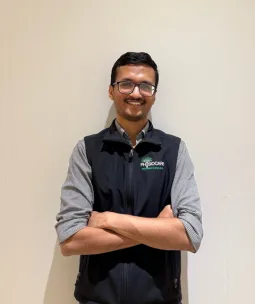
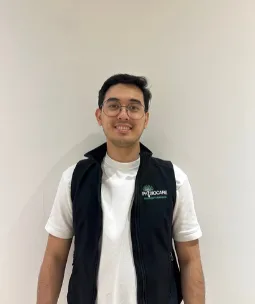
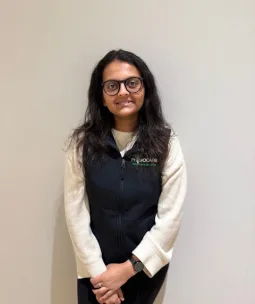
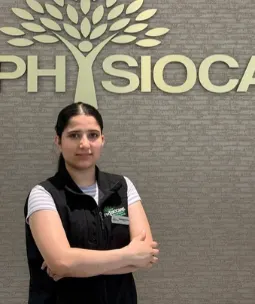
Our Professional Team at Physiocare

Healing Hands, Happy Hearts: What Our Patients Say

Shawn LaBelle profile picture
Shawn LaBelle
2 months ago
I went here for physiotherapy. My shoulder is getting better after each treatment received. The staff here is exceptional. Thank you to Mehul, Surekha, Mike and Kamal. I definitely recommend coming here!
K G profile picture
K G
2 months ago
Due to injury, I needed to start physiotherapy at a new clinic because my previous physiotherapist is currently on maternity leave. To be honest, I was extremely nervous. As a plus size person, I was worried about being judged or body shamed, which unfortunately can be a real concern when seeking healthcare. I'm so grateful that my fears were completely unfounded. From the moment I called, the front desk staff was kind, welcoming, and respectful. They were able to get me in quickly, and I felt comfortable right from the start. My physiotherapist was compassionate, understanding, and completely focused on helping me recover from my injury—NOT on my body size. At no point did I feel judged, criticized, or made to feel uncomfortable. Instead, I felt listened to, respected, and supported. They took the time to explain everything, respected my boundaries, and only performed treatments that I was comfortable with. I never felt pressured into anything. Finding healthcare providers who treat you with dignity and respect can make all the difference, and that was absolutely my experience here. If you've ever been hesitant to seek treatment because you're worried about being judged for your body size, or the weight capacity of the physio tables I highly recommend this clinic. They made me feel safe, respected, and cared for throughout my visit.
Steve Simmons profile picture
Steve Simmons
2 months ago
The team at Physiocare are seasoned professionals and have shown care and understanding during my intense recovery. It is clear they are very experienced but also have excellent bedside manner. Highly recommend this establishment!
MC Chartrand profile picture
MC Chartrand
2 months ago
Excellent service and treatment. Efficient, friendly and understanding staff. Happy that I can continue to play my sports. Thank you Mehul and the excellent staff at your clinic.
Mac profile picture
Mac
5 months ago
I had a great experience at the clinic. Riddhi is very knowledgeable, professional, and caring. She takes the time to properly assess the problem and clearly explains the treatment plan.
Pooja and Ashish were excellent during my sessions. They were very attentive and supportive, always making sure the exercises were done correctly and safely. Their encouragement and positive attitude made the therapy sessions much easier and more motivating.
Samreen was very friendly and welcoming, was really helpful with scheduling appointments and answering questions.
Michael Belinson profile picture
Michael Belinson
5 months ago
I had a great experience at Physio Care and wanted to thank Vijay, Ashish, and Samreen for all their help. They were extremely professional, knowledgeable, and supportive throughout my recovery. They took the time to properly assess my injury, explain what was going on, and guide me through the right exercises and treatment to get me back on track. Everyone there created a really welcoming and positive environment, which made the whole process much easier. I really appreciate the care and attention they gave me and would highly recommend Physio Care to anyone looking for high-quality physiotherapy.
Adem mahamoud ali profile picture
Adem mahamoud ali
5 months ago
I had a very good experience with the physiotherapy team. Vani and Riddhi (Physiotherapists) were very professional, knowledgeable, and took the time to understand my condition and explain the treatment clearly. They made sure my recovery plan was right for me and always checked on my progress.

The physio assistants Samreen, Ashish, and Pooja were also very helpful, friendly, and supportive during the exercises and therapy sessions. They made sure I was comfortable and guided me properly through every step.

The whole team created a positive and welcoming environment, and I really appreciate their care and dedication. I highly recommend this clinic to anyone who needs physiotherapy.
Amber M profile picture
Amber M
5 months ago
I have been a patient at Physiocare on Greenbank for many years. The staff are very knowledgeable and friendly. You aren’t just a number here. The therapists care about you and want you to be feeling your best. Most recently I have been receiving regular weekly treatments by Nishika. She knows a lot about the body and the best ways to treat her patients. Her assistant Manjot is very kind and friendly and ensures your comfort when hooked up to machines. I enjoy chatting with her. Bhaumik has also stepped in to assist with my treatments when my regular team is busy helping other patients. His bedside manner is lovely and caring. He’s knowledgeable and goes the extra mile to ensure that you understand the treatment or exercise and that you are comfortable. I highly recommend this location for your physiotherapy.
Dharmik Prajapati profile picture
Dharmik Prajapati
6 months ago
I had a great experience at this physiotherapy clinic physiocare (nepean) is highly professional, knowledgeable, and very patient in explaining each treatment. I noticed significant improvement in my condition thanks to their guidance and care.
I would also like to appreciate. Bhaumik panchal for being extremely supportive, polite, and well-organized. The overall environment was comfortable and welcoming.
I highly recommend this clinic to anyone looking for quality physiotherapy treatment.
Citations & References

  1. Bisset L, et al. (2005). Mobilisation with movement and exercise, corticosteroid injection, or wait and see for tennis elbow: randomised trial. BMJ, 333(7575), 939. doi:10.1136/bmj.38961.584653.AE
  2. Coombes BK, et al. (2015). Effect of corticosteroid injection, physiotherapy, or both on clinical outcomes in patients with unilateral lateral epicondylalgia. JAMA, 309(5), 461–469. doi:10.1001/jama.2013.129
  3. Krogh TP, et al. (2013). Treatment of lateral epicondylitis with platelet-rich plasma, glucocorticoid, or saline: a randomized, double-blind, placebo-controlled trial. American Journal of Sports Medicine, 41(3), 625–635. doi:10.1177/0363546512472975
  4. Buchbinder R, et al. (2011). Lateral epicondylitis. In: Clinical Evidence. BMJ Publishing Group.
    https://www.ncbi.nlm.nih.gov/pmc/articles/PMC3217736/
  5. Stasinopoulos D, Johnson MI. (2004). Cyriax physiotherapy for tennis elbow/lateral epicondylitis. British Journal of Sports Medicine, 38(6), 675–677. doi:10.1136/bjsm.2003.010470
Request Appointment

Request For Callback


This will close in 0 seconds

Register for Event

Please fill the form below to book your slot for the event

This will close in 0 seconds

Call Now Button