Physiocare Physiotherapy & Rehab Centre Ottawa

Now Open: Our 8th Location in South Keys!

Arthritis & Joint Conditions Treatment at Physiocare

Key Takeaways

  • Arthritis affects millions of Canadians, causing joint pain, stiffness, and reduced mobility that impacts daily life
  • Physiotherapy offers proven, non-invasive relief through manual therapy, therapeutic modalities, and personalized exercise programs
  • Early intervention prevents joint damage progression and maintains independence longer
  • Physiocare’s multi-location Ottawa clinics provide specialized arthritis care with advanced treatment options

Physiocare's Experience in Action

Updated on July 28, 2026
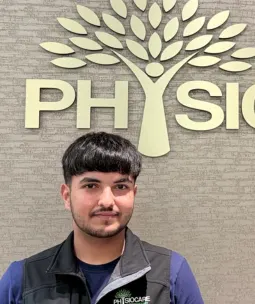
Prateeksha Viradiya
Written By
Prateeksha Viradiya
Resident Physiotherapist
Specializes in Aquatic Rehab and is a Certified Aquafit Instructor.

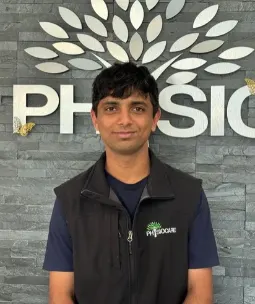
Gunjan Vermani
✓ Clinically Reviewed By:
Gunjan Vermani
Director and Registered Physiotherapist
15+ Years Experience
Clinical Specialties: Central pain management, Concussion rehabilitation

Understanding Arthritis & Joint Conditions

What Are Arthritis & Joint Conditions?

Type of Arthritis

Nature of Condition

Area Affected

Osteoarthritis

Wear-and-tear arthritis

Joints

Rheumatoid arthritis

Autoimmune inflammation

Joints, surrounding tissues, connective structures

Psoriatic arthritis

Inflammatory condition

Joints, surrounding tissues, connective structures

These conditions cause inflammation, pain, stiffness, and progressive loss of joint function. While arthritis cannot always be cured, evidence-based physiotherapy significantly reduces symptoms, slows progression, and helps you maintain the activities you love.

Joint Anatomy and Arthritis

Your joints are complex structures where bones meet, cushioned by cartilage and lubricated by synovial fluid. Ligaments provide stability while tendons connect muscles to bones, creating movement.

In arthritis, this delicate balance breaks down. Cartilage wears away, synovial membranes become inflamed, and bone surfaces may develop painful spurs. Understanding this process helps you recognize why comprehensive physiotherapy addresses multiple joint components simultaneously.

Key structures affected:

  • Articular cartilage (protective cushioning)
  • Synovial membrane (fluid-producing lining)
  • Joint capsule (stabilizing envelope)
  • Surrounding muscles and tendons

Causes & Contributing Factors

Arthritis develops through various mechanisms depending on the type. Osteoarthritis results from cumulative joint stress, previous injuries, or natural aging processes that gradually wear down cartilage over decades of use.

Inflammatory arthritis types like rheumatoid arthritis occur when your immune system mistakenly attacks joint tissues. Genetic factors, infections, metabolic conditions, and autoimmune responses all contribute to different arthritis forms.

Common triggers include:

  • Repetitive joint stress or overuse
  • Previous joint injuries or trauma
  • Genetic predisposition
  • Autoimmune system dysfunction
  • Metabolic disorders (gout, pseudogout)

Risk Factors

Age remains the strongest predictor for osteoarthritis, with risk increasing significantly after 50. However, younger adults develop arthritis following sports injuries, occupational strain, or inflammatory conditions requiring early intervention.

Additional risk factors:

  • Family history of arthritis
  • Obesity (extra weight stresses joints)
  • Previous joint injuries or surgeries
  • Occupations requiring repetitive movements
  • Female gender (for certain types)
  • Smoking and poor nutrition

Common Symptoms

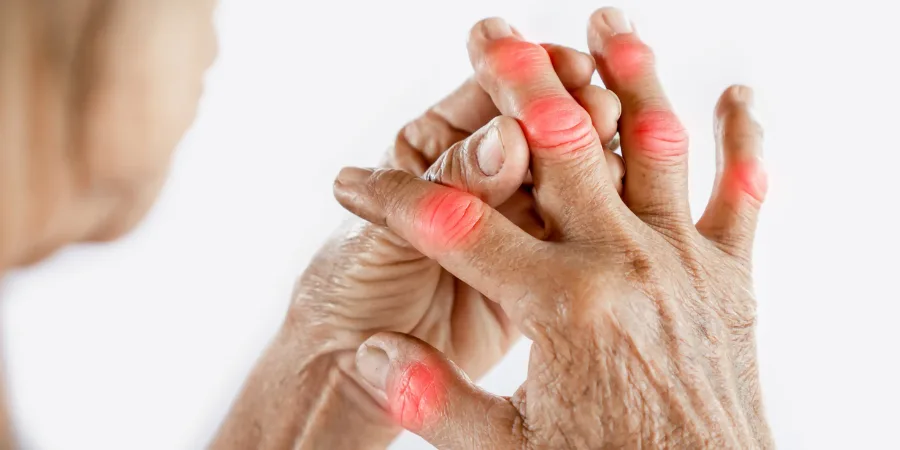
Joint pain represents the hallmark arthritis symptom, ranging from dull aching to sharp, activity-limiting discomfort. Morning stiffness lasting 30+ minutes suggests inflammatory arthritis, while pain worsening throughout the day indicates osteoarthritis.

Swelling, warmth, and visible joint changes accompany inflammation. Reduced range of motion makes daily tasks challenging—buttoning shirts, climbing stairs, or opening jars become frustrating obstacles.

Watch for these signs:

  • Persistent joint pain or tenderness
  • Morning stiffness or “gelling”
  • Swelling, redness, or warmth
  • Decreased range of motion
  • Joint instability or weakness
  • Grinding sensations (crepitus)
  • Fatigue affecting daily activities

Complications If Left Untreated

  • Permanent joint deformity and structural damage
  • Chronic pain requiring stronger medications
  • Muscle weakness and atrophy around affected joints
  • Loss of independence in daily activities
  • Increased fall risk and mobility limitations
  • Secondary health problems (cardiovascular, mental health)

Treatment at Physiocare for Arthritis & Joint Conditions

Comprehensive Treatment Approaches

Spinal Manipulation

  • Restores proper joint alignment, reducing compensatory stress on arthritic joints
  • Improves nervous system function for better pain modulation
  • Enhances overall mobility when spinal restrictions contribute to joint problems
  • Particularly effective for arthritis affecting spinal facet joints


Joint Protection Strategies Education & Customized Bracing

  • Educates patients on proper movement patterns to minimize joint stress during daily activities
  • Provides individualized bracing solutions to support affected joints and maintain alignment
  • Reduces joint loading to slow degenerative changes
  • Helps prevent symptom recurrence and supports long-term joint health

Myofascial Release

  • Addresses tight fascia and muscle tension surrounding inflamed joints
  • Improves blood flow and nutrient delivery to arthritic areas
  • Reduces protective muscle guarding that limits movement
  • Relieves trigger points contributing to referred joint pain

Chinese Cupping

  • Increases local circulation promoting healing in arthritic tissues
  • Reduces inflammation and fluid accumulation around joints
  • Provides drug-free pain relief through nervous system modulation
  • Creates tissue decompression relieving joint pressure

Graston Technique (IASTM)

  • Breaks down scar tissue and adhesions limiting joint mobility
  • Stimulates tissue remodeling and collagen realignment
  • Improves flexibility in tendons and ligaments around arthritic joints
  • Enhances effectiveness of subsequent exercise therapy

M2T Blade (IASTM)

  • Precision instrument-assisted mobilization targeting specific joint restrictions
  • Addresses chronic tissue changes in long-standing arthritis
  • Reduces pain through mechanical and neurological mechanisms
  • Complements manual therapy for deeper tissue access

Deep Oscillation Therapy (DOT)

  • Gentle electrostatic vibrations penetrate deep into inflamed joints
  • Reduces swelling and edema without causing additional discomfort
  • Accelerates healing while providing immediate pain relief
  • Safe for acute inflammatory arthritis flares

Dynamic Neuromuscular Stabilization (DNS)

  • Retrains optimal movement patterns protecting arthritic joints
  • Strengthens core stability reducing stress on peripheral joints
  • Addresses developmental movement patterns for joint protection
  • Particularly valuable for preventing arthritis progression

Red Cord Therapy (Neurac)

  • Suspension-based exercise reducing joint loading during strengthening
  • Identifies and corrects weak links in movement chains
  • Builds functional strength without aggravating arthritis
  • Improves body awareness and movement quality

Laser Therapy

  • Photobiomodulation reduces joint inflammation at cellular level
  • Stimulates cartilage cell activity and tissue repair
  • Provides deep-penetrating pain relief without medication
  • Accelerates healing between physiotherapy sessions

TENS (Transcutaneous Electrical Nerve Stimulation)

  • Blocks pain signals through electrical nerve stimulation
  • Provides immediate relief during acute arthritis flares
  • Safe, non-invasive option for daily pain management
  • Can be used at home between clinic visits

IFC (Interferential Current)

  • Deeper tissue penetration than TENS for joint inflammation
  • Reduces muscle spasm protecting arthritic joints
  • Stimulates circulation promoting nutrient delivery
  • Effective for larger joints like hips and knees

Acupuncture

  • Triggers endorphin release for natural pain relief
  • Reduces inflammation through immune system modulation
  • Addresses both local joint pain and systemic factors
  • Particularly effective for inflammatory arthritis types

Radio Frequency Therapy (StimPod)

  • Stimulates nerve and muscle function around affected joints
  • Addresses muscle weakness contributing to joint instability
  • Reduces pain through advanced electrical stimulation
  • Complements exercise programs for faster strength gains

Dolphin Neurostim / MPS Therapy

  • Helps calm pain sensitivity around arthritic joints
  • Reduces muscle guarding and soft tissue tightness
  • Supports improved comfort before movement and exercise
  • Useful as part of arthritis pain management alongside active rehabilitation

EMTT Therapy (Storz)

  • Electromagnetic transduction technology promotes tissue regeneration
  • Stimulates cartilage and bone cell activity
  • Reduces inflammation in deep joint structures
  • Represents cutting-edge arthritis treatment technology

How Physiotherapy Helps Manage Arthritis

Physiotherapy addresses arthritis through multiple proven mechanisms. Manual techniques restore joint mobility while reducing inflammation. Therapeutic modalities control pain and accelerate healing. Personalized exercise programs strengthen supporting muscles, protecting joints from further damage.

Beyond symptom relief, physiotherapy empowers you with self-management strategies. You’ll learn joint protection techniques, activity modification, home exercises, and when appropriate, the use of supportive bracing to reduce joint stress and maintain improvements between appointments. This comprehensive approach reduces reliance on medications while improving long-term outcomes.

Education forms a critical component—understanding your condition helps you make informed decisions. Your physiotherapist becomes your partner in managing arthritis throughout life’s changing demands and challenges.

Your Step-by-Step Recovery Journey

Comprehensive Assessment
Your physiotherapist conducts detailed joint evaluation, movement analysis, and functional testing to understand your specific arthritis presentation and goals.

Personalized Treatment Plan
We design an individualized program combining hands-on therapy, advanced modalities, and targeted exercises addressing your unique needs and lifestyle.

Evidence-Based Treatment
Your plan incorporates proven techniques from manual therapy to cutting-edge technologies, adjusted based on your response and progress.

Recovery & Prevention
We transition you toward independence with home programs, joint protection education, and strategies preventing arthritis progression long-term.

Location-Specific Treatment Options

Physiocare Physiotherapy & Rehab Centre - Nepean

  • Spinal Manipulation
  • Myofascial Release
  • Cupping
  • Graston (IASTM)
  • DOT (Deep Oscillation Therapy)
  • Red Cord Therapy (Neurac)
  • Laser
  • TENS
  • IFC
  • Radio Frequency (StimPod)

Physiocare Physiotherapy & Rehab Centre - Carling

  • Myofascial Release
  • Cupping
  • DOT (Deep Oscillation Therapy)
  • Laser
  • TENS
  • IFC
  • Radio Frequency (StimPod)

Physiocare Physiotherapy & Rehab Centre - Westboro

  • Myofascial Release
  • Cupping
  • DOT (Deep Oscillation Therapy)
  • DNS (Dynamic Neuromuscular Stabilization)
  • Laser
  • TENS
  • IFC
  • Radio Frequency (StimPod)

Physiocare Physiotherapy & Rehab Centre - Kanata

  • Myofascial Release
  • Cupping
  • DOT (Deep Oscillation Therapy)
  • DNS (Dynamic Neuromuscular Stabilization)
  • Red Cord Therapy (Neurac)
  • Laser
  • TENS
  • IFC
  • Radio Frequency (StimPod)
  • EMTT (Storz)

Physiocare Physiotherapy & Rehab Centre - Stittsville

  • Spinal Manipulation
  • Myofascial Release
  • Cupping
  • DOT (Deep Oscillation Therapy)
  • DNS (Dynamic Neuromuscular Stabilization)
  • Laser
  • TENS
  • IFC
  • Radio Frequency (StimPod)

Physiocare Physiotherapy & Rehab Centre - Barrhaven

  • Spinal Manipulation
  • Myofascial Release
  • Cupping
  • Laser
  • TENS
  • IFC

Physiocare Physiotherapy & Rehab Centre - South Keys

  • Myofascial Release
  • Cupping
  • DOT (Deep Oscillation Therapy)
  • Laser
  • TENS
  • IFC
  • Radio Frequency (StimPod)

Why Choose Physiocare for Arthritis & Joint Conditions?

Physiocare’s arthritis specialists hold advanced certifications in manual therapy, therapeutic modalities, and exercise prescription. Our patient-centered approach combines cutting-edge technology with compassionate care, ensuring you feel heard, understood, and supported throughout your recovery journey.

With six convenient Ottawa locations, accessing expert physiotherapy in Ottawa fits seamlessly into your life. Whether you’re managing osteoarthritis, rheumatoid arthritis, or post-injury joint problems, our evidence-based treatments help you reclaim mobility, reduce pain, and maintain independence.

Frequently Asked Questions

Most treatments are gentle and actually reduce pain immediately. We adjust techniques to your comfort level, and any temporary soreness indicates tissues responding positively to treatment.

Previous experiences vary based on treatment approach and therapist expertise. Our comprehensive, individualized programs using advanced modalities often succeed where traditional methods fell short.

No referral is required in Ontario. You can book directly, though insurance coverage may require physician documentation for reimbursement purposes.

Many patients report reduced pain within 2-4 sessions. Significant functional improvements typically emerge over 6-12 weeks as tissues heal and strength builds.

Yes. Evidence shows proper exercise, joint protection, and movement optimization significantly slow cartilage loss and preserve function compared to inactivity or medication alone.

All arthritis types benefit from physiotherapy. Osteoarthritis, rheumatoid, psoriatic, and post-traumatic arthritis all respond to targeted manual therapy, modalities, and exercise programs.

Initial intensive treatment transitions to maintenance programs. Many patients manage independently with periodic check-ins, while others prefer ongoing support depending on arthritis severity.

Many patients postpone or avoid surgery through consistent physiotherapy. Even if surgery becomes necessary eventually, pre-surgical conditioning improves post-operative outcomes significantly.

It's never too late. While we cannot reverse established damage, physiotherapy improves pain, mobility, and function regardless of arthritis duration or severity.

Physiotherapy addresses root causes while medications mask symptoms. Research shows combining both approaches provides superior outcomes, often allowing reduced medication dependence over time.

Our Professional Team at Physiocare

Healing Hands, Happy Hearts: What Our Patients Say

Shawn LaBelle profile picture
Shawn LaBelle
2 months ago
I went here for physiotherapy. My shoulder is getting better after each treatment received. The staff here is exceptional. Thank you to Mehul, Surekha, Mike and Kamal. I definitely recommend coming here!
K G profile picture
K G
2 months ago
Due to injury, I needed to start physiotherapy at a new clinic because my previous physiotherapist is currently on maternity leave. To be honest, I was extremely nervous. As a plus size person, I was worried about being judged or body shamed, which unfortunately can be a real concern when seeking healthcare. I'm so grateful that my fears were completely unfounded. From the moment I called, the front desk staff was kind, welcoming, and respectful. They were able to get me in quickly, and I felt comfortable right from the start. My physiotherapist was compassionate, understanding, and completely focused on helping me recover from my injury—NOT on my body size. At no point did I feel judged, criticized, or made to feel uncomfortable. Instead, I felt listened to, respected, and supported. They took the time to explain everything, respected my boundaries, and only performed treatments that I was comfortable with. I never felt pressured into anything. Finding healthcare providers who treat you with dignity and respect can make all the difference, and that was absolutely my experience here. If you've ever been hesitant to seek treatment because you're worried about being judged for your body size, or the weight capacity of the physio tables I highly recommend this clinic. They made me feel safe, respected, and cared for throughout my visit.
Steve Simmons profile picture
Steve Simmons
2 months ago
The team at Physiocare are seasoned professionals and have shown care and understanding during my intense recovery. It is clear they are very experienced but also have excellent bedside manner. Highly recommend this establishment!
MC Chartrand profile picture
MC Chartrand
2 months ago
Excellent service and treatment. Efficient, friendly and understanding staff. Happy that I can continue to play my sports. Thank you Mehul and the excellent staff at your clinic.
Mac profile picture
Mac
5 months ago
I had a great experience at the clinic. Riddhi is very knowledgeable, professional, and caring. She takes the time to properly assess the problem and clearly explains the treatment plan.
Pooja and Ashish were excellent during my sessions. They were very attentive and supportive, always making sure the exercises were done correctly and safely. Their encouragement and positive attitude made the therapy sessions much easier and more motivating.
Samreen was very friendly and welcoming, was really helpful with scheduling appointments and answering questions.
Michael Belinson profile picture
Michael Belinson
5 months ago
I had a great experience at Physio Care and wanted to thank Vijay, Ashish, and Samreen for all their help. They were extremely professional, knowledgeable, and supportive throughout my recovery. They took the time to properly assess my injury, explain what was going on, and guide me through the right exercises and treatment to get me back on track. Everyone there created a really welcoming and positive environment, which made the whole process much easier. I really appreciate the care and attention they gave me and would highly recommend Physio Care to anyone looking for high-quality physiotherapy.
Adem mahamoud ali profile picture
Adem mahamoud ali
5 months ago
I had a very good experience with the physiotherapy team. Vani and Riddhi (Physiotherapists) were very professional, knowledgeable, and took the time to understand my condition and explain the treatment clearly. They made sure my recovery plan was right for me and always checked on my progress.

The physio assistants Samreen, Ashish, and Pooja were also very helpful, friendly, and supportive during the exercises and therapy sessions. They made sure I was comfortable and guided me properly through every step.

The whole team created a positive and welcoming environment, and I really appreciate their care and dedication. I highly recommend this clinic to anyone who needs physiotherapy.
Amber M profile picture
Amber M
5 months ago
I have been a patient at Physiocare on Greenbank for many years. The staff are very knowledgeable and friendly. You aren’t just a number here. The therapists care about you and want you to be feeling your best. Most recently I have been receiving regular weekly treatments by Nishika. She knows a lot about the body and the best ways to treat her patients. Her assistant Manjot is very kind and friendly and ensures your comfort when hooked up to machines. I enjoy chatting with her. Bhaumik has also stepped in to assist with my treatments when my regular team is busy helping other patients. His bedside manner is lovely and caring. He’s knowledgeable and goes the extra mile to ensure that you understand the treatment or exercise and that you are comfortable. I highly recommend this location for your physiotherapy.
Dharmik Prajapati profile picture
Dharmik Prajapati
6 months ago
I had a great experience at this physiotherapy clinic physiocare (nepean) is highly professional, knowledgeable, and very patient in explaining each treatment. I noticed significant improvement in my condition thanks to their guidance and care.
I would also like to appreciate. Bhaumik panchal for being extremely supportive, polite, and well-organized. The overall environment was comfortable and welcoming.
I highly recommend this clinic to anyone looking for quality physiotherapy treatment.
Citations and References

  1. Arthritis Society Canada. (2024). Osteoarthritis: Causes, Symptoms and Treatment Options. Retrieved from https://arthritis.ca/about-arthritis/arthritis-types-(a-z)/types/osteoarthritis
  2. Fransen, M., McConnell, S., Harmer, A. R., Van der Esch, M., Simic, M., & Bennell, K. L. (2015). Exercise for osteoarthritis of the knee. Cochrane Database of Systematic Reviews, 1(1), CD004376. https://doi.org/10.1002/14651858.CD004376.pub3
  3. Canadian Physiotherapy Association. (2023). Clinical Practice Guidelines: Management of Hip and Knee Osteoarthritis. Retrieved from https://physiotherapy.ca/clinical-practice-guidelines
  4. Bannuru, R. R., Osani, M. C., Vaysbrot, E. E., Arden, N. K., Bennell, K., Bierma-Zeinstra, S. M., … & McAlindon, T. E. (2019). OARSI guidelines for the non-surgical management of knee, hip, and polyarticular osteoarthritis. Osteoarthritis and Cartilage, 27(11), 1578-1589. https://doi.org/10.1016/j.joca.2019.06.011
  5. Mayo Clinic. (2024). Arthritis: Diagnosis and Treatment. Retrieved from https://www.mayoclinic.org/diseases-conditions/arthritis/diagnosis-treatment/drc-20350777
  6. Kolasinski, S. L., Neogi, T., Hochberg, M. C., Oatis, C., Guyatt, G., Block, J., … & Reston, J. (2020). 2019 American College of Rheumatology/Arthritis Foundation guideline for the management of osteoarthritis of the hand, hip, and knee. Arthritis Care & Research, 72(2), 149-162. https://doi.org/10.1002/acr.24131
Request Appointment

Request For Callback


This will close in 0 seconds

Register for Event

Please fill the form below to book your slot for the event

This will close in 0 seconds

Call Now Button