Understanding Chronic Obstructive Pulmonary Disease (COPD)
What Is COPD?
Chronic Obstructive Pulmonary Disease is a progressive lung condition that makes breathing increasingly difficult over time. The airways become narrowed and damaged, limiting airflow and oxygen delivery throughout your body.
This isn’t just about shortness of breath. COPD affects your ability to walk, climb stairs, play with grandchildren, or simply enjoy daily activities without exhaustion. Understanding your condition empowers you to take control of your respiratory health.
The Respiratory System and COPD
Your lungs contain millions of tiny air sacs called alveoli that transfer oxygen into your bloodstream. In COPD, these delicate structures become damaged and lose their elasticity, while airways become inflamed and produce excess mucus.
Key structures affected include:
- Bronchi and bronchioles – airways that carry air to your lungs become narrowed and inflamed
- Alveoli – air sacs lose elasticity and become damaged, reducing oxygen exchange
- Diaphragm and respiratory muscles – work harder to compensate for reduced lung function
- Chest wall – may become barrel-shaped as lungs trap air
Understanding this anatomy helps you recognize why breathing retraining and muscle strengthening are so vital to managing your condition.
Causes and Development of COPD
COPD typically develops after long-term exposure to irritants that damage your lungs and airways. Cigarette smoking accounts for approximately 85-90% of cases, though non-smokers can develop COPD through other exposures.
The damage occurs gradually as irritants cause chronic inflammation. Your airways produce excess mucus, cilia become damaged and unable to clear secretions effectively, and airway walls thicken while air sacs break down.
Additional contributing factors:
- Long-term exposure to secondhand smoke, air pollution, or occupational dusts and chemicals
- Alpha-1 antitrypsin deficiency – a genetic condition affecting lung tissue
- Childhood respiratory infections that damaged developing lungs
- Indoor air pollution from burning fuel for cooking or heating
Risk Factors for COPD
While smoking remains the primary risk factor, several other elements increase your likelihood of developing COPD. Age plays a significant role, as symptoms typically appear after age 40 when cumulative lung damage becomes noticeable.
Key risk factors include:
- Current or former smoking history, including exposure before age 18
- Occupational exposures to dusts, fumes, or chemicals over many years
- Frequent childhood respiratory infections or asthma history
- Genetic predisposition, particularly alpha-1 antitrypsin deficiency
- Living in areas with high air pollution levels
- Indoor biomass fuel exposure for cooking or heating
Understanding your risk factors helps guide prevention strategies and early intervention approaches.
Common Symptoms of COPD
Symptoms often develop slowly and may initially seem like normal aging or being “out of shape.” This gradual progression means many people don’t seek help until significant lung damage has occurred.
Primary symptoms include:
- Persistent shortness of breath, especially during physical activities
- Chronic cough that produces mucus, often worse in mornings
- Wheezing or whistling sounds when breathing
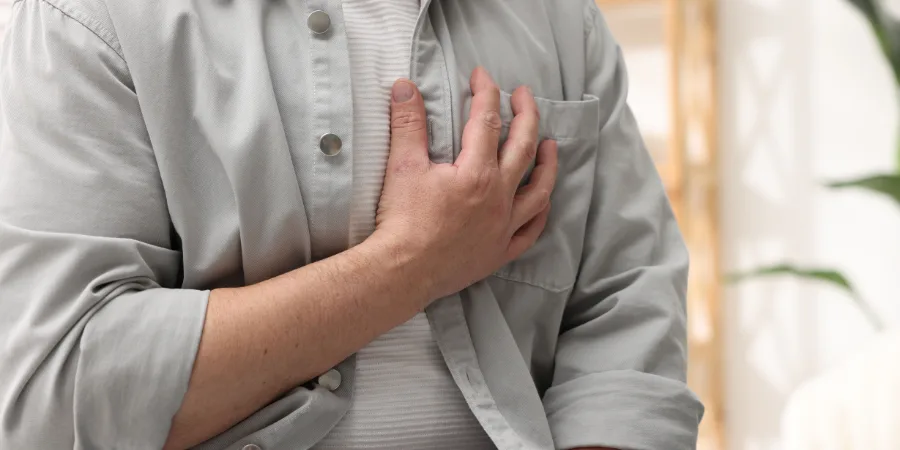
- Chest tightness or feeling unable to take a deep breath
- Frequent respiratory infections that worsen breathing
- Fatigue and reduced exercise tolerance
- Unintended weight loss in advanced stages
- Swelling in ankles, feet, or legs
Recognizing these symptoms early allows for timely intervention that can significantly slow disease progression.
Complications If Untreated
Without proper management, COPD progressively worsens and leads to serious health consequences:
- Respiratory failure requiring oxygen therapy or mechanical ventilation
- Right-sided heart failure (cor pulmonale) from increased lung pressure
- Severe, life-threatening respiratory infections including pneumonia
- Lung collapse (pneumothorax) or respiratory insufficiency
- Profound deconditioning, disability, and loss of independence
Treatment at Physiocare for COPD
Our comprehensive COPD management program combines evidence-based physiotherapy techniques with advanced therapeutic technologies. Each treatment targets specific aspects of respiratory function, helping you breathe easier and reclaim your active life.
Treatments Offered Across Our Clinics
Breathing Retraining
Breathing retraining forms the foundation of effective COPD management. This specialized technique teaches you efficient breathing patterns that reduce the work of breathing and improve oxygen delivery.
- Pursed-lip breathing techniques slow your breathing rate and keep airways open longer during exhalation
- Diaphragmatic breathing strengthens your primary breathing muscle and reduces reliance on accessory neck muscles
- Paced breathing strategies help you manage breathlessness during daily activities and exercise
- Energy conservation techniques reduce oxygen demand during functional tasks
DNS (Dynamic Neuromuscular Stabilization)
DNS therapy optimizes the coordination between your respiratory muscles and core stabilizers. This developmental approach restores natural breathing mechanics often disrupted by COPD.
- Activates diaphragm function through developmental positions that facilitate optimal breathing patterns
- Improves thoracic mobility and rib cage expansion for more efficient ventilation
- Strengthens core stabilizers that support respiratory mechanics during movement
- Enhances posture to prevent forward-leaning positions that compromise breathing efficiency
Red Cord Therapy (Neurac)
Neurac therapy uses suspension exercises to retrain movement patterns while managing breathlessness. The adjustable resistance allows gradual progression matched to your respiratory tolerance.
- Unloads body weight to enable exercise without excessive breathlessness
- Strengthens respiratory and postural muscles in functional movement patterns
- Improves exercise tolerance through graduated resistance training
- Enhances balance and coordination, reducing fall risk in advanced COPD
Manual Lymphatic Drainage
This gentle manual technique supports fluid balance and reduces congestion in your respiratory system. The rhythmic movements enhance lymphatic circulation, which can be compromised in COPD.
- Reduces fluid accumulation in lungs and airways that worsens breathing difficulty
- Decreases inflammation in respiratory tissues through improved lymphatic flow
- Enhances immune function to reduce frequency of respiratory infections
- Promotes relaxation and reduces anxiety often associated with breathlessness
Pneumatic Compression
Pneumatic compression therapy improves circulation in your legs and reduces fluid retention that often accompanies COPD, particularly when heart function becomes affected.
- Prevents blood pooling in lower extremities that worsens fatigue
- Reduces ankle and leg swelling associated with right heart strain
- Improves venous return to enhance overall cardiovascular efficiency
- Decreases risk of deep vein thrombosis in individuals with limited mobility
Ondamed (PEMF Biofeedback)
Ondamed therapy uses pulsed electromagnetic fields with biofeedback to support cellular function and reduce inflammation in your respiratory system.
- Targets inflammation in airways and lung tissue at the cellular level
- Supports mitochondrial function to improve energy production in respiratory muscles
- Enhances tissue repair and regeneration in damaged lung structures
- Reduces stress response that can trigger or worsen breathing difficulties
How Physiotherapy Helps Manage COPD
Physiotherapy addresses the multiple physical impairments caused by COPD, helping you maintain independence and quality of life. Our evidence-based approach targets breathing efficiency, muscle strength, exercise tolerance, and anxiety management.
By teaching efficient breathing patterns and strengthening respiratory muscles, we reduce your work of breathing and improve oxygen delivery. Exercise training rebuilds cardiovascular fitness and muscular endurance that COPD gradually erodes.
Airway clearance techniques help you mobilize and expel excess mucus more effectively, reducing infection risk. Education empowers you to recognize warning signs early and manage symptoms proactively at home.
Our Step-by-Step Approach
Assessment Comprehensive evaluation of respiratory function, exercise tolerance, breathing patterns, muscle strength, posture, and how COPD impacts your daily activities.
Personalized Plan Customized treatment combining breathing retraining, therapeutic exercise, manual techniques, and advanced therapies matched to your specific respiratory challenges and functional goals.
Evidence-Based Treatment Progressive implementation of proven interventions including supervised exercise training, breathing techniques, airway clearance, and specialized modalities to optimize lung function.
Recovery & Prevention Long-term management strategies, home exercise programs, exacerbation prevention education, and ongoing support to maintain improvements and slow disease progression.
Location-Specific Options COPD Treatment Options
Why Choose Physiocare for COPD?
Our respiratory-trained physiotherapists combine advanced certifications in breathing retraining, DNS, and specialized modalities with genuine compassion for the challenges you face with COPD. We understand that breathlessness affects every aspect of your life.
With six convenient locations across Ottawa, accessing specialized COPD care has never been easier. Our physiotherapy in Ottawa clinics offer extended hours and comprehensive treatment options tailored to your respiratory needs and daily activity goals.
Frequently Asked Questions About COPD Treatment
Our Professional Team at Physiocare
Healing Hands, Happy Hearts: What Our Patients Say
Citations & References
- McCarthy, B., Casey, D., Devane, D., Murphy, K., Murphy, E., & Lacasse, Y. (2015). Pulmonary rehabilitation for chronic obstructive pulmonary disease. Cochrane Database of Systematic Reviews, (2), CD003793. https://www.cochranelibrary.com/cdsr/doi/10.1002/14651858.CD003793.pub3/full
- Global Initiative for Chronic Obstructive Lung Disease (GOLD). (2024). Global Strategy for the Diagnosis, Management, and Prevention of Chronic Obstructive Pulmonary Disease: 2024 Report. https://goldcopd.org/
- Spruit, M. A., Singh, S. J., Garvey, C., ZuWallack, R., Nici, L., Rochester, C., … & Wouters, E. F. (2013). An official American Thoracic Society/European Respiratory Society statement: key concepts and advances in pulmonary rehabilitation. American Journal of Respiratory and Critical Care Medicine, 188(8), e13-e64. https://www.atsjournals.org/
- Holland, A. E., Hill, C. J., Jones, A. Y., & McDonald, C. F. (2012). Breathing exercises for chronic obstructive pulmonary disease. Cochrane Database of Systematic Reviews, (10), CD008250. https://pubmed.ncbi.nlm.nih.gov/23076942/
- Canadian Lung Association. (2024). Chronic Obstructive Pulmonary Disease (COPD). https://www.lung.ca/copd