Understanding Pediatric Conditions in Children and Adolescents
What Are Pediatric Musculoskeletal and Neurodevelopmental Conditions?
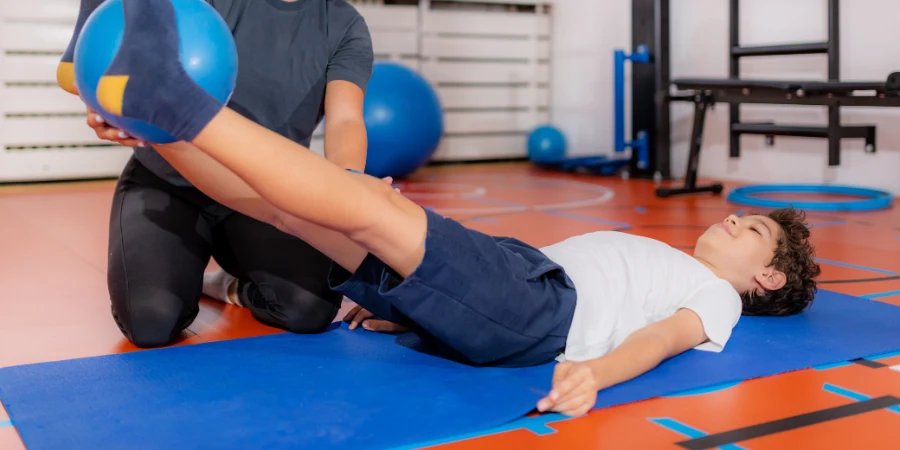
Pediatric conditions treated by physiotherapy include a broad range of challenges that affect how children move, develop, and function in daily life. These conditions may be present from birth, emerge during developmental milestones, or arise following injury or illness.
Unlike adult conditions, pediatric presentations involve a nervous system and musculoskeletal framework that is still actively growing. This means early, properly timed intervention can make a profound dif
Relevant Anatomy — Why Children's Bodies Respond Differently to Treatment
Understanding why children require specialized physiotherapy begins with recognizing how their bodies differ:
- Developing nervous system: The brain and spinal cord continue maturing well into adolescence, making neurological conditions both more responsive to treatment and more sensitive to delays.
- Growth plates (physes): Located near joints, these areas of active bone growth are vulnerable to injury and require careful handling.
- Soft connective tissues: Tendons, ligaments, and fascia in children are more elastic but also more susceptible to patterned restrictions if movement problems go unaddressed.
- Postural development: Core stability, balance, and coordination emerge through movement experiences — disruptions in early motor learning can cascade into broader functional challenges.
A child’s body is not simply a smaller version of an adult’s. It is a dynamic, rapidly changing system — and Physiocare’s therapists are trained to work within that reality.
Causes and Mechanisms Behind Pediatric Conditions Treated with Physiotherapy
Pediatric conditions treated at Physiocare arise through several distinct pathways:
Neurological and Developmental Origins:
- Cerebral palsy, hypotonic (low-tone) conditions, and global developmental delay
- Autism spectrum disorder with associated motor difficulties
- Brachial plexus injury during birth (Erb’s palsy)
Structural and Postural Origins:
- Torticollis (neck muscle tightness causing head tilt and rotation asymmetry)
- Scoliosis and postural imbalances during growth spurts
- Flat feet (pes planus) and in-toeing or out-toeing gait patterns
Injury and Overuse Origins:
- Sports injuries specific to growing bones and tendons (e.g., Osgood-Schlatter disease)
- Post-surgical rehabilitation following orthopaedic procedures
- Trauma-related movement restrictions
Each pathway requires a different clinical lens — one that Physiocare’s pediatric physiotherapists apply with precision and care.
Risk Factors for Pediatric Conditions Requiring Physiotherapy
Certain children are more likely to benefit from early physiotherapy assessment:
- Premature birth or low birth weight, associated with delayed motor development
- Difficult or assisted delivery (forceps, vacuum extraction) increasing risk of birth-related muscle or nerve strain
- Family history of neurodevelopmental conditions
- Prolonged positioning in infancy (e.g., extended use of bouncers or carriers) that may contribute to plagiocephaly or torticollis
- Early participation in competitive sport before musculoskeletal maturity
- Neurological diagnosis such as cerebral palsy, Down syndrome, or spina bifida
Delayed motor milestones — not rolling, sitting, or walking within expected developmental windows
Common Symptoms in Pediatric Conditions
Parents and caregivers often notice the following signs that may indicate a child would benefit from physiotherapy:
- Asymmetrical movement — favouring one side of the body, uneven crawling or walking pattern
- Delayed achievement of milestones such as rolling, sitting, standing, or walking
- Toe walking or unusual gait patterns
- Muscle tightness, stiffness, or reduced range of motion in the neck, hips, or limbs
- Poor core stability, balance difficulties, or frequent unexplained falls
- Pain with activity, limping, or avoiding physical play
- Head tilt or flattening of the skull (plagiocephaly)
- Low muscle tone — child appearing “floppy” or tiring easily during movement tasks
These signs do not always indicate a serious diagnosis. However, early assessment allows Physiocare’s team to identify concerns and begin intervention at the optimal developmental window.
Complications if Pediatric Conditions Are Left Untreated
When movement difficulties and developmental conditions are not addressed early:
- Motor delays can compound, making rehabilitation more complex and prolonged over time
- Compensatory movement patterns become habitual, leading to secondary musculoskeletal strain
- Reduced physical confidence may affect social participation, school performance, and emotional well-being
- Structural changes — such as spinal curvature or joint misalignment — may progress during growth spurts
Treatment at Physiocare for Pediatric Conditions
Specialized Pediatric Physiotherapy Treatments Offered at Physiocare
Every treatment offered at Physiocare for pediatric conditions is selected based on the child’s specific neurological status, tissue health, developmental stage, and functional goals — not applied as a generic protocol.
DNS — Dynamic Neuromuscular Stabilization (Available at: Westboro, Kanata, Stittsville)
DNS is particularly well-suited to pediatric care because it is grounded in the developmental movement patterns that all healthy infants naturally progress through — rolling, sitting, crawling, and standing.
- For children with cerebral palsy, developmental delay, or low muscle tone, DNS re-activates the deep stabilizing muscles of the spine and trunk by revisiting these foundational movement sequences
- It addresses the neuromuscular root of postural instability rather than simply strengthening surface muscles
- For children who missed or struggled through early motor milestones, DNS creates an opportunity to re-establish those neurological movement programs in a safe, age-appropriate context
- The approach is gentle, play-based, and grounded in the child’s own developmental timeline
Red Cord Therapy (Neurac) (Available at: Greenbank, Kanata)
Red Cord / Neurac uses suspended sling systems to support the child’s body weight while challenging neuromuscular control and stability.
- For children with hypotonia, coordination difficulties, or post-neurological injury, the sling environment reduces gravitational load, allowing isolated neuromuscular activation without compensatory patterns
- It is particularly effective for rebuilding core and hip stability in children who have difficulty maintaining upright posture or controlling their trunk during movement
- The suspended position also reduces fear of falling, making it accessible and motivating for children with movement anxiety
- Sessions can be structured as engaging activities, improving participation and therapeutic compliance
Internal link: Neurac Therapy at Physiocare
Myofascial Release (Available at: All six locations)
Children’s fascia — the connective tissue web surrounding muscles, organs, and nerves — can develop restrictions following birth trauma, prolonged positioning, post-surgical scarring, or neurological conditions.
- In torticollis, myofascial release targets the sternocleidomastoid and surrounding cervical fascia to restore neck range of motion and symmetrical head position
- For children with cerebral palsy or spasticity, fascial release reduces tissue tension without the discomfort of aggressive stretching
- Following orthopaedic surgery, myofascial work addresses scar tissue and fascial binding that may restrict functional movement recovery
- The technique is extremely gentle and is well tolerated by infants and young children
Craniosacral Therapy (Available at: Westboro, Kanata, Barrhaven)
Craniosacral therapy uses very light touch to assess and support the rhythmic movement of cerebrospinal fluid around the brain and spinal cord.
- For newborns and infants with birth-related cranial compression, feeding difficulties, or irritability, craniosacral therapy gently releases restrictions in the skull, sacrum, and dural membranes
- In children with plagiocephaly (asymmetrical head shape), early craniosacral intervention supports more symmetrical cranial development
- For children on the autism spectrum or with sensory processing challenges, the deeply calming nature of this therapy can reduce sensory dysregulation
- It is one of the gentlest interventions available, making it appropriate even for premature or medically fragile infants
Visceral Work (Available at: Westboro, Kanata, Barrhaven)
Organs and their surrounding connective tissue can develop tension or restricted mobility following abdominal surgery, birth trauma, or systemic illness.
- In children with constipation, abdominal discomfort, or post-surgical adhesions, visceral mobilization gently restores normal organ mobility and reduces fascial restrictions around the digestive system
- It is particularly relevant for children born with abdominal wall defects, those who have undergone gastrointestinal surgery, or those with neurodevelopmental conditions affecting autonomic regulation
- Visceral work also supports diaphragm mobility, which has direct implications for core stability and respiratory function in children
Acupuncture (Available at select locations — please confirm with your clinic)
- For older children and adolescents, acupuncture addresses pain from sports injuries, chronic musculoskeletal conditions, headaches, and post-surgical rehabilitation
- It works by modulating the nervous system’s pain-signalling pathways and supporting local tissue healing
- When age-appropriate and with proper consent, acupuncture is a well-tolerated, evidence-informed option for pediatric pain management
Internal link: Acupuncture at Physiocare
TENS (Transcutaneous Electrical Nerve Stimulation) (Available at: All six locations)
- TENS delivers gentle electrical impulses through surface electrodes to disrupt pain signals in children experiencing musculoskeletal or neuropathic pain
- In conditions such as Osgood-Schlatter disease, growing pains, or post-injury pain, TENS provides non-pharmacological pain relief that supports continued participation in therapeutic exercise
- It is non-invasive, easily adjusted for comfort, and appropriate for school-age children and adolescents
IFC (Interferential Current Therapy) (Available at: All six locations)
- IFC delivers medium-frequency electrical currents that penetrate deeper into tissue than standard TENS, targeting deeper muscle groups and joints
- In pediatric conditions involving joint stiffness, deep muscle inhibition, or circulatory dysfunction, IFC supports tissue healing and reduces inflammation at a deeper level
- It is used as a complementary modality alongside active rehabilitation exercises in older children and adolescents
How Physiotherapy Helps Manage and Resolve Pediatric Conditions
Physiotherapy is one of the most effective early interventions available for children facing movement, developmental, and musculoskeletal challenges.
By addressing the root neurological and biomechanical causes of a child’s difficulties — rather than managing symptoms alone — physiotherapy supports true functional improvement.
Children who receive early, skilled physiotherapy often demonstrate faster achievement of developmental milestones, improved postural control, reduced pain, and greater confidence and participation in everyday life.
Family education is central to every pediatric program at Physiocare. Parents and caregivers learn how to support their child’s progress between sessions, creating consistency and accelerating results.
Physiocare’s Step-by-Step Approach to Pediatric Physiotherapy
Assessment A comprehensive evaluation of the child’s neurological status, motor development, musculoskeletal alignment, and functional movement patterns, including parent and caregiver interview.
Personalized Plan A structured, goal-oriented treatment plan developed collaboratively with the family, tailored to the child’s age, diagnosis, developmental stage, and individual strengths.
Evidence-Based Treatment Application of clinically supported techniques — including DNS, Craniosacral Therapy, Myofascial Release, Red Cord Therapy, and electrotherapy — delivered in a child-friendly, encouraging environment.
Recovery and Prevention Ongoing reassessment, milestone tracking, home exercise guidance, and transition planning to ensure lasting progress and prevention of secondary complications as the child grows.
Location-Specific Pediatric Physiotherapy Services
Why Choose Physiocare for Pediatric Physiotherapy in Ottawa?
Physiocare’s pediatric physiotherapists hold advanced certifications in DNS, Craniosacral Therapy, and Neurac — specialized training that most general physiotherapy clinics in Ottawa simply do not offer. Our team understands that treating a child means treating the whole family, and every care plan is built around your child’s unique developmental journey.
As a trusted physiotherapy clinic in Ottawa with six conveniently located clinics across Kanata, Barrhaven, Westboro, Greenbank, Carling, and Stittsville, Physiocare ensures that expert pediatric care is always close to home — delivered with patience, warmth, and genuine dedication to your child’s progress.
Frequently Asked Questions — Pediatric Physiotherapy at Physiocare
Our Professional Team at Physiocare
Healing Hands, Happy Hearts: What Our Patients Say
Citations & References
- Canadian Physiotherapy Association — Physiotherapy and Children: A Resource for Parents. www.physiotherapy.ca
- Novak, I. et al. (2020). Early, Accurate Diagnosis and Early Intervention in Cerebral Palsy: Advances in Diagnosis and Treatment. JAMA Pediatrics. doi:10.1001/jamapediatrics.2020.0779
- Physiopedia — Dynamic Neuromuscular Stabilization (DNS). www.physio-pedia.com/Dynamic_Neuromuscular_Stabilization
- Upledger Institute International — CranioSacral Therapy for Pediatric Conditions. www.upledger.com
- Keklicek, H. & Uygur, F. (2018). A randomized controlled study on the effect of dynamic neuromuscular stabilization on the posture of children with cerebral palsy. Pediatric Physical Therapy. doi:10.1097/PEP.0000000000000524