Physiocare Physiotherapy & Rehab Centre Ottawa

Now Open: Our 8th Location in South Keys!

Geriatric & Age-Related Conditions Treatment at Physiocare Physiotherapy & Rehab Centre

KEY TAKEAWAYS 

✓ Age-related conditions affect mobility, balance, strength, and independence but respond well to targeted physiotherapy interventions
✓ Personalized rehabilitation programs address multiple conditions simultaneously, including arthritis, osteoporosis, balance disorders, and chronic pain
✓ Evidence-based treatments like DNS, Red Cord Therapy, and manual techniques restore function and prevent falls
✓ Multi-location access across Ottawa ensures convenient, compassionate care tailored to seniors’ unique needs

Physiocare's Experience in Action

Understanding Geriatric & Age-Related Conditions

What Are Geriatric & Age-Related Conditions?

Geriatric and age-related conditions encompass a spectrum of physical challenges that emerge or intensify as we age. These include musculoskeletal decline, neurological changes, cardiovascular limitations, and metabolic alterations. Unlike acute injuries, these conditions develop gradually, often affecting multiple body systems simultaneously and impacting daily activities, independence, and quality of life.

While aging is inevitable, functional decline is not. Many age-related challenges stem from decreased activity levels, accumulated microtraumas, chronic inflammation, and changes in tissue elasticity rather than age itself. Early intervention through specialized physiotherapy can significantly slow progression, restore lost function, and maintain independence for years beyond what many expect is possible.

Relevant Anatomy & Physiological Changes

Musculoskeletal System: Muscle mass decreases approximately 3–8% per decade after age 30, accelerating after 60. Bone density reduces, particularly in women post-menopause. Joint cartilage thins, synovial fluid production decreases, and ligaments lose elasticity — reducing strength, increasing injury susceptibility, and limiting range of motion.

Nervous System: Nerve conduction velocity slows, proprioception diminishes, and reaction times increase. Balance mechanisms become less responsive. Coordination between visual, vestibular, and sensory systems weakens, elevating fall risk significantly in older adults.

Cardiovascular & Respiratory Systems: Maximum heart rate declines, blood vessel elasticity reduces, and lung capacity decreases — affecting endurance, recovery speed, and oxygen delivery to tissues during physical activity and healing processes.

Connective Tissue: Collagen becomes less flexible, tendons stiffen, and fascial restrictions develop. Tissue hydration decreases, affecting shock absorption and tissue gliding — contributing to stiffness, reduced mobility, and increased pain perception throughout the body.

Geriatric & Age-Related Conditions Causes

Causes & Contributing Factors

Age-related conditions rarely have single causes but develop through multiple contributing pathways:

Primary Aging Factors: Cellular senescence, oxidative stress accumulation, mitochondrial dysfunction, and hormonal changes (decreased estrogen, testosterone, and growth hormone) directly affect tissue quality. Genetic factors influence the rate and pattern of aging-related changes.

Secondary Lifestyle Factors: Physical inactivity is perhaps the most significant modifiable risk factor. Sedentary behavior accelerates muscle loss, bone weakening, and cardiovascular decline. Poor nutrition, inadequate hydration, insufficient sleep, and chronic stress compound these effects exponentially.

Chronic Disease Impact: Diabetes, hypertension, arthritis, osteoporosis, and cardiovascular disease create compounding functional limitations. Medications for these conditions may cause side effects affecting balance, strength, or cognition. Previous injuries often lead to compensatory movement patterns that strain other body regions.

Environmental & Social Factors: Reduced social engagement, depression, isolation, and cognitive decline create a vicious cycle. Fear of falling leads to activity restriction, which further weakens the body. Inadequate home safety modifications increase actual fall risk significantly.

Risk Factors for Accelerated Decline

Modifiable Risk Factors:

  • Sedentary lifestyle and prolonged sitting
  • Poor nutritional intake, particularly protein deficiency
  • Polypharmacy (taking multiple medications)
  • Inadequate vitamin D and calcium intake
  • Smoking and excessive alcohol consumption
  • Untreated chronic pain limiting activity
  • Social isolation and depression

Non-Modifiable Risk Factors:

  • Advanced age (risk increases exponentially after 75)
  • Female gender (particularly for osteoporosis)
  • Family history of age-related conditions
  • Previous fractures or falls
  • Certain genetic markers affecting collagen formation

Medical Risk Factors:

  • Neurological conditions (Parkinson’s, stroke, peripheral neuropathy)
  • Visual or hearing impairments
  • Cognitive decline or dementia
  • Cardiovascular disease affecting circulation
  • Diabetes affecting nerve function and healing

Common Symptoms & Functional Limitations

Physical Symptoms:

  • Progressive stiffness, particularly morning stiffness lasting over 30 minutes
  • Generalized weakness affecting daily tasks like climbing stairs or carrying groceries
  • Chronic pain in multiple joints, particularly knees, hips, back, and shoulders
  • Reduced flexibility making bending, reaching, or dressing difficult
  • Fatigue limiting activity duration and recovery capacity

Balance & Mobility Issues:

  • Unsteady gait with shortened stride length and widened base
  • Difficulty with transitions (sit-to-stand, turning, navigating stairs)
  • Fear of falling limiting activity participation
  • Near-falls or actual falls, particularly in dim lighting or on uneven surfaces
  • Need for assistive devices that weren’t previously required

Functional Limitations:

  • Difficulty with personal care activities (bathing, dressing, grooming)
  • Reduced household management abilities (cooking, cleaning, laundry)
  • Inability to participate in previously enjoyed recreational activities
  • Social withdrawal due to physical limitations or embarrassment
  • Declining independence requiring increased caregiver support

Complications If Untreated

  • Fall-Related Injuries: Hip fractures, traumatic brain injuries, and loss of independence — 20–30% of falls cause serious injuries requiring hospitalization
  • Sarcopenia Progression: Severe muscle wasting leading to frailty, wheelchair dependence, and dramatically reduced quality of life
  • Social Isolation & Depression: Withdrawal from activities and relationships, cognitive decline acceleration, and reduced motivation for self-care
  • Chronic Pain Syndromes: Widespread pain affecting sleep, mood, and function with increased medication dependence
  • Premature Loss of Independence: Early nursing home placement, inability to age in place, and increased burden on family caregivers

Treatment at Physiocare for Geriatric & Age-Related Conditions

Comprehensive Treatment Options

At Physiocare, we understand that aging doesn’t mean accepting limitation. Our specialized geriatric rehabilitation programs combine advanced therapeutic techniques with compassionate, patient-centered care. We address multiple conditions simultaneously, creating integrated treatment plans that restore function, reduce pain, and enhance independence.

DNS (Dynamic Neuromuscular Stabilization) (Westboro, Kanata, Stittsville)

  • Retrains fundamental movement patterns based on infant developmental sequences
  • Activates deep core stabilizers that deteriorate with age and inactivity
  • Improves postural control and balance through neuromuscular re-education
  • Reduces compensatory movement patterns causing pain in multiple regions
  • Enhances proprioception and body awareness critical for fall prevention

Red Cord Therapy (Neurac) (Greenbank, Kanata)

  • Utilizes suspension system eliminating gravity’s impact during exercise
  • Identifies and corrects muscular imbalances and dysfunctional movement patterns
  • Builds strength progressively in a pain-free, supportive environment
  • Improves neuromuscular control through closed-chain functional exercises
  • Particularly effective for those with severe weakness or chronic pain limitations

Myofascial Release

  • Addresses fascial restrictions that accumulate over decades causing widespread stiffness
  • Improves tissue hydration and elasticity through sustained gentle pressure
  • Reduces chronic pain patterns by releasing trigger points and adhesions
  • Enhances circulation and tissue healing capacity throughout treatment areas
  • Creates immediate improvements in range of motion and functional mobility

Craniosacral Therapy (Westboro, Kanata, Barrhaven)

  • Extremely gentle technique suitable for fragile or pain-sensitive older adults
  • Balances nervous system function, reducing chronic stress response and pain perception
  • Improves sleep quality and overall sense of wellbeing through parasympathetic activation
  • Addresses headaches, TMJ dysfunction, and neurological symptoms gently
  • Complements other treatments by optimizing the body’s self-regulation mechanisms

Laser Therapy

  • Accelerates tissue healing through photobiomodulation at the cellular level
  • Reduces inflammation and pain without medication or side effects
  • Improves circulation to areas with compromised blood flow
  • Particularly effective for arthritis, chronic wounds, and neuropathic pain
  • Non-invasive, painless treatment requiring no recovery time between sessions

TENS (Transcutaneous Electrical Nerve Stimulation)

  • Provides immediate pain relief through nerve stimulation blocking pain signals
  • Reduces reliance on pain medications and associated side effects
  • Portable units allow continued pain management at home between treatments
  • Effective for both acute flare-ups and chronic persistent pain conditions

IFC (Interferential Current Therapy)

  • Delivers deeper tissue stimulation than TENS for more profound pain relief
  • Reduces muscle spasm and joint inflammation common in arthritis
  • Enhances circulation promoting healing in chronically compromised tissues
  • Particularly effective for deeper joint pain in hips, spine, and shoulders
  • Complements exercise therapy by reducing pain during active rehabilitation

Manual Lymphatic Drainage (Greenbank, Carling, Westboro, Barrhaven)

  • Addresses edema and swelling common in aging due to circulatory changes
  • Improves immune function and tissue healing through lymphatic system optimization
  • Reduces heaviness and discomfort in limbs affected by chronic swelling
  • Particularly beneficial post-surgery or for those with cardiovascular conditions
  • Gentle, soothing technique improving overall tissue health and comfort

DOT (Deep Oscillation Therapy) (Greenbank, Carling, Westboro, Kanata, Stittsville)

  • Uses electrostatic fields creating gentle, deep tissue oscillation
  • Reduces chronic inflammation and edema without manual pressure
  • Accelerates healing in fragile tissues prone to bruising or damage
  • Improves tissue quality and elasticity throughout treatment areas
  • Extremely comfortable treatment option for pain-sensitive individuals

EMTT (Extracorporeal Magnetotransduction Therapy) (Kanata only)

  • Advanced technology addressing bone health, osteoporosis, and fracture healing
  • Stimulates cellular regeneration and metabolism at molecular level
  • Reduces chronic pain through neurological and biochemical pathways
  • Particularly effective for conditions not responding to traditional approaches
  • Non-invasive treatment with profound effects on tissue quality and function

How Physiotherapy Helps Manage Geriatric Conditions

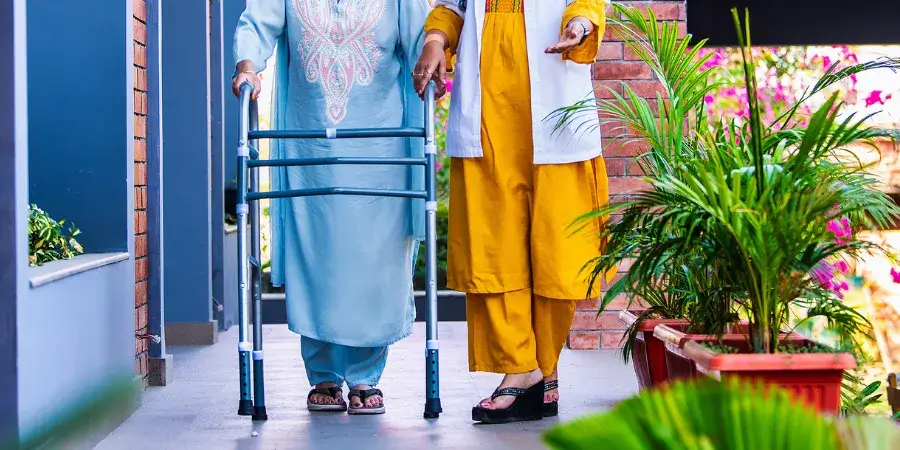
Physiotherapy is the cornerstone of successful aging, addressing root causes rather than merely managing symptoms. Our evidence-based approach improves strength, balance, flexibility, and cardiovascular fitness simultaneously. We reduce fall risk through targeted balance training and environmental assessment, while building confidence through progressive, achievable goals.

Pain management through movement and manual therapy reduces medication dependence and associated side effects. Functional training focuses on activities meaningful to each individual — whether gardening, playing with grandchildren, or traveling independently. We empower seniors with knowledge and self-management strategies, creating sustainable improvements extending far beyond clinical sessions.

Our Step-by-Step Treatment Approach

Comprehensive Assessment: Detailed evaluation of medical history, current function, fall risk, pain patterns, and personal goals. We assess strength, balance, flexibility, gait, and functional capacity using validated tools.

Personalized Treatment Plan: Individualized programs addressing your specific conditions, goals, and preferences. Treatment intensity is carefully calibrated to your current capacity while integrating multiple therapeutic modalities and considering any medical precautions.

Evidence-Based Treatment: Hands-on manual therapy combined with therapeutic exercise and advanced modalities. Treatments like laser therapy and DOT reduce pain and inflammation. Progressive strengthening and fall prevention programs build resilience and confidence systematically.

Recovery & Prevention: Graduated return to desired activities with ongoing support and modification as needed. Home exercise programs maintain gains between sessions and after discharge. Education on arthritis care and self-management strategies empowers long-term independence and quality of life.

Location-Specific Services — Geriatric & Age-Related Conditions Treatment

Physiocare Physiotherapy & Rehab Centre - Nepean

  • Red Cord Therapy (Neurac)
  • Myofascial Release
  • Laser
  • TENS
  • IFC
  • Manual Lymphatic Drainage
  • DOT (Deep Oscillation Therapy)

Physiocare Physiotherapy & Rehab Centre - Carling

  • Myofascial Release
  • Laser
  • TENS
  • IFC
  • Manual Lymphatic Drainage
  • DOT (Deep Oscillation Therapy)

Physiocare Physiotherapy & Rehab Centre - Westboro

  • DNS (Dynamic Neuromuscular Stabilization)
  • Myofascial Release
  • Craniosacral Therapy
  • Laser
  • TENS
  • IFC
  • Manual Lymphatic Drainage
  • DOT (Deep Oscillation Therapy)

Physiocare Physiotherapy & Rehab Centre - Kanata

  • DNS (Dynamic Neuromuscular Stabilization)
  • Red Cord Therapy (Neurac)
  • Myofascial Release
  • Craniosacral Therapy
  • Laser
  • TENS
  • IFC
  • DOT (Deep Oscillation Therapy)
  • EMTT (Storz)

Physiocare Physiotherapy & Rehab Centre - Stittsville

  • DNS (Dynamic Neuromuscular Stabilization)
  • Myofascial Release
  • Laser
  • TENS
  • IFC
  • DOT (Deep Oscillation Therapy)

Physiocare Physiotherapy & Rehab Centre - Barrhaven

  • Myofascial Release
  • Craniosacral Therapy
  • Laser
  • TENS
  • IFC
  • Manual Lymphatic Drainage

Physiocare Physiotherapy & Rehab Centre - South Keys

  • Myofascial Release
  • Laser
  • TENS
  • IFC
  • Manual Lymphatic Drainage
  • DOT (Deep Oscillation Therapy)

Why Choose Physiocare for Geriatric & Age-Related Conditions?

Our therapists hold advanced certifications in geriatric rehabilitation, fall prevention, and chronic disease management. We understand that aging bodies require specialized approaches balancing challenge with safety. Our patient-centered philosophy honors each individual’s unique goals — whether regaining independence after hospitalization or maintaining active lifestyles into advanced age.

As a leading physiotherapy clinic in Ottawa, we offer cutting-edge technologies like EMTT and Red Cord Therapy alongside time-tested manual techniques. Six convenient locations across Ottawa ensure accessibility regardless of mobility limitations. Flexible scheduling, including home visits when needed, removes barriers to consistent care. We partner with family members and caregivers, creating comprehensive support systems extending beyond clinic walls.

Frequently Asked Questions About Geriatric & Age-Related Conditions

Absolutely not. Research consistently shows that older adults respond excellently to physiotherapy regardless of age. We've successfully treated individuals well into their 90s, helping them regain function previously thought lost.

Treatment is carefully calibrated to your tolerance. Many techniques like Craniosacral Therapy and DOT are extremely gentle. We progress gradually, ensuring comfort while achieving meaningful results that improve rather than worsen pain.

Previous experiences may have involved generic approaches. Our specialized geriatric programs address multiple conditions simultaneously using advanced techniques unavailable at many clinics. Many patients succeed after previous disappointments.

No referral is necessary for physiotherapy in Ontario. However, we work collaboratively with your healthcare team, communicating with physicians when appropriate to ensure coordinated, comprehensive care.

Many patients notice improvements within 2–4 sessions, particularly in pain and mobility. Significant functional gains typically emerge over 6–12 weeks, depending on condition severity, consistency, and individual healing capacity.

Fall prevention is a cornerstone of our geriatric programs. We assess balance, strength, gait, and environmental factors, creating comprehensive prevention strategies that significantly reduce fall risk through targeted interventions.

Maintenance is key to sustained improvement, but programs evolve over time. Initial intensive rehabilitation transitions to simpler home routines. Many patients integrate therapeutic exercises into enjoyable activities like walking or gardening.

Yes, this is our specialty. We create integrated programs addressing multiple conditions simultaneously while respecting medical precautions. Many techniques benefit multiple conditions concurrently, maximizing efficiency and outcomes.

We offer home visit services for those unable to travel to our clinics. Telerehab options also provide guidance remotely. Our six locations increase accessibility for most Ottawa residents.

It's never too late. Many patients using assistive devices improve function, reduce pain, and enhance independence through targeted rehabilitation. Some graduate to less restrictive devices; others improve quality of life significantly while continuing device use.

Our Professional Team at Physiocare

Healing Hands, Happy Hearts: What Our Patients Say

Citations & References

  1. Sherrington C, Fairhall NJ, Wallbank GK, et al. (2019). Exercise for preventing falls in older people living in the community. Cochrane Database of Systematic Reviews, 1(1), CD012424. doi:10.1002/14651858.CD012424.pub2
  2. de Souto Barreto P, Rolland Y, Vellas B, Maltais M. (2019). Association of long-term exercise training with risk of falls, fractures, hospitalizations, and mortality in older adults: a systematic review and meta-analysis. JAMA Internal Medicine, 179(3), 394–405. doi:10.1001/jamainternmed.2018.5406
  3. Cruz-Jentoft AJ, Bahat G, Bauer J, et al. (2019). Sarcopenia: revised European consensus on definition and diagnosis. Age and Ageing, 48(1), 16–31. doi:10.1093/ageing/afy169
  4. Giangregorio LM, Papaioannou A, Macintyre NJ, et al. (2014). Too Fit To Fracture: exercise recommendations for individuals with osteoporosis or osteoporotic vertebral fracture. Osteoporosis International, 25(3), 821–835. doi:10.1007/s00198-013-2523-2
  5. Tarazona-Santabalbina FJ, Gómez-Cabrera MC, Pérez-Ros P, et al. (2016). A multicomponent exercise intervention that reverses frailty and improves cognition, emotion, and social networking in the community-dwelling frail elderly. Journal of the American Medical Directors Association, 17(5), 426–433. doi:10.1016/j.jamda.2016.01.019
Request Appointment

Register for Event

Please fill the form below to book your slot for the event

This will close in 0 seconds

Call Now Button