Physiocare Physiotherapy & Rehab Centre Ottawa

Now Open: Our 8th Location in South Keys!

Hip & Pelvis Conditions Treatment at Physiocare Physiotherapy & Rehab Centre

KEY TAKEAWAYS 

✓ Hip and pelvis conditions affect mobility, stability, and quality of life across all age groups
✓ Early physiotherapy intervention prevents chronic pain and long-term complications
✓ Physiocare offers advanced, evidence-based treatments across six convenient Ottawa locations
✓ Personalized recovery plans address root causes, not just symptoms

Physiocare's Experience in Action

Understanding Hip & Pelvis Conditions

What Are Hip & Pelvis Conditions?

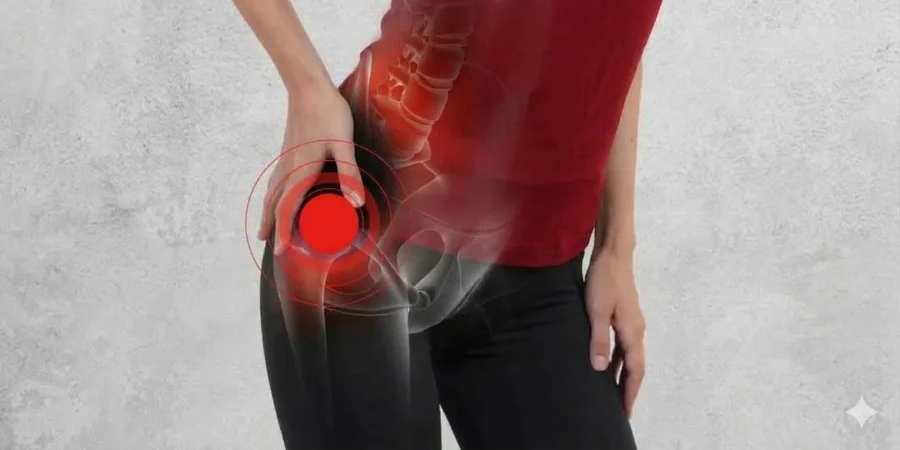
Hip and pelvis conditions encompass a wide range of musculoskeletal disorders affecting the hip joint, surrounding muscles, tendons, ligaments, and pelvic structures. These conditions can result from acute injuries, overuse, degenerative changes, or biomechanical imbalances. They impact your ability to walk, sit, stand, and perform daily activities comfortably. Whether you’re experiencing sharp pain during movement or a persistent ache that disrupts sleep, understanding your condition is the first step toward effective recovery.

Relevant Anatomy of the Hip & Pelvis

The hip and pelvis form a complex network of bones, joints, and soft tissues:

  • Hip Joint: A ball-and-socket joint where the femur (thigh bone) meets the acetabulum (hip socket), allowing extensive range of motion
  • Pelvis: Consists of the ilium, ischium, and pubis bones, providing structural support and protecting internal organs
  • Muscles: Gluteal muscles, hip flexors, adductors, and deep hip rotators control movement and stability
  • Ligaments & Tendons: Connect bones to bones and muscles to bones, maintaining joint integrity
  • Bursae: Fluid-filled sacs that reduce friction between moving structures
  • Cartilage & Labrum: Cushion the joint surfaces and deepen the hip socket for stability
Hip & Pelvis Pain Causes

Causes & Mechanisms of Injury

Hip and pelvis conditions develop through various mechanisms:

  • Acute Trauma: Falls, sports collisions, or motor vehicle accidents causing fractures, dislocations, or soft tissue tears
  • Overuse Injuries: Repetitive activities like running, cycling, or prolonged sitting leading to tendinitis, bursitis, or stress fractures
  • Degenerative Changes: Age-related wear and tear resulting in osteoarthritis or labral degeneration
  • Biomechanical Imbalances: Poor posture, muscle weakness, or leg length discrepancies creating abnormal joint stress
  • Pregnancy-Related: Hormonal changes and weight distribution affecting pelvic alignment and stability
  • Inflammatory Conditions: Autoimmune disorders or infections causing joint inflammation

Risk Factors for Hip & Pelvis Conditions

Certain factors increase your likelihood of developing hip and pelvis problems:

  • Age: Risk increases after 40 as cartilage naturally deteriorates
  • Activity Level: Athletes and manual laborers face higher overuse injury rates
  • Previous Injuries: Past hip or pelvic trauma predisposes to future complications
  • Body Weight: Excess weight places additional stress on hip joints
  • Genetics: Family history of arthritis or hip dysplasia increases susceptibility
  • Occupational Demands: Jobs requiring prolonged sitting, standing, or heavy lifting
  • Gender: Women experience higher rates of certain conditions due to pelvic structure differences

Common Symptoms of Hip & Pelvis Conditions

Recognizing symptoms early helps prevent progression:

  • Pain: Groin, outer hip, buttock, or referred pain down the thigh
  • Stiffness: Reduced range of motion, especially after periods of inactivity
  • Clicking or Popping: Audible sounds during movement indicating joint or tendon issues
  • Weakness: Difficulty climbing stairs, standing from seated positions, or balancing on one leg
  • Limping: Altered gait pattern to avoid pain or compensate for instability
  • Night Pain: Discomfort that disrupts sleep, particularly when lying on the affected side
  • Swelling: Visible inflammation around the hip or pelvic region

Complications If Left Untreated

  • Progressive joint degeneration leading to severe osteoarthritis
  • Chronic pain requiring surgical intervention
  • Permanent mobility limitations affecting independence
  • Compensatory injuries in the lower back, knees, or opposite hip
  • Reduced quality of life and mental health impacts

Treatment at Physiocare for Hip & Pelvis Conditions

How Physiotherapy Helps Manage Hip & Pelvis Conditions

Restoring Pain-Free Movement: Manual therapy techniques reduce inflammation, release muscle tension, and improve joint mechanics, breaking the pain cycle so you can move more freely in daily activities.

Strengthening Supporting Structures: Targeted exercises rebuild strength in weakened hip stabilizers, gluteal muscles, and core structures. Stronger muscles provide better joint support and prevent future injuries.

Correcting Biomechanical Imbalances: We identify and correct faulty movement patterns that perpetuate hip and pelvis dysfunction, retraining how you walk, sit, and move to eliminate root causes of pain.

Accelerating Natural Healing: Advanced modalities like laser therapy, shockwave, and deep oscillation stimulate cellular repair and increase blood flow to injured tissues for faster, more complete recovery.

Preventing Chronic Complications

Early physiotherapy intervention stops acute injuries from becoming chronic conditions. Addressing problems promptly prevents joint degeneration, muscle atrophy, and the development of compensatory pain patterns in other body regions.

Reducing Reliance on Medications

Evidence-based physiotherapy provides effective pain relief without the side effects of long-term medication use. Many patients significantly reduce or eliminate their need for pain medications through consistent therapeutic intervention.

Empowering Long-Term Self-Management

We educate you about your condition and provide practical tools for ongoing self-care. Home exercise programs, activity modifications, and ergonomic strategies give you control over your recovery and future hip health.

Treatments Available at Physiocare

Maitland Mobilizations

  • Gentle, graded joint movements that restore normal hip mechanics
  • Reduces joint stiffness and improves synovial fluid distribution
  • Addresses capsular restrictions and articular cartilage nourishment
  • Particularly effective for osteoarthritis and post-surgical stiffness

Mulligan Mobilizations

  • “Movement with mobilization” technique combining joint gliding with active motion
  • Immediately reduces pain and increases functional range
  • Corrects positional faults in the hip joint
  • Enhances proprioception and neuromuscular control

Myofascial Release

  • Sustained pressure applied to fascial restrictions around the hip and pelvis
  • Releases trigger points in gluteal, hip flexor, and adductor muscles
  • Improves tissue extensibility and circulation
  • Addresses referred pain patterns affecting the lower back and thighs
  • Available as part of our comprehensive manual therapy services

Cupping Therapy

  • Creates negative pressure to lift and separate fascial layers
  • Increases blood flow to chronically tight hip muscles
  • Reduces adhesions in soft tissues
  • Promotes tissue healing and metabolic waste removal
  • Learn more about Chinese cupping

Laser Therapy

  • Low-level laser stimulates cellular repair and reduces inflammation
  • Accelerates healing of tendinitis, bursitis, and muscle strains
  • Non-invasive pain management without medication side effects
  • Penetrates deep tissues for lasting therapeutic effects
  • Discover our advanced laser therapy options

TENS (Transcutaneous Electrical Nerve Stimulation)

  • Electrical impulses block pain signals to the brain
  • Provides immediate relief for acute hip pain
  • Reduces reliance on pain medications
  • Complements other therapeutic interventions

IFC (Interferential Current Therapy)

  • Deep-penetrating electrical currents reduce inflammation and pain
  • Stimulates muscle contractions to prevent atrophy
  • Enhances tissue healing through improved circulation
  • Effective for chronic hip conditions and post-operative recovery

DNS (Dynamic Neuromuscular Stabilization)

  • Restores functional movement patterns based on developmental kinesiology
  • Strengthens deep core stabilizers that support pelvic alignment
  • Improves coordination between hip, core, and diaphragm function
  • Addresses compensatory patterns that perpetuate pain
  • Part of our specialized neurological rehab programs

Red Cord Therapy (Neurac)

  • Suspension-based exercises activate deep stabilizing muscles
  • Identifies and corrects neuromuscular weaknesses
  • Progressive loading in pain-free positions
  • Enhances functional strength for daily activities
  • Explore Neurac therapy benefits

DOT (Deep Oscillation Therapy)

  • Electrostatic vibrations penetrate deep tissues without surface heating
  • Reduces edema and inflammation in hip bursae and tendons
  • Accelerates post-traumatic and post-surgical healing
  • Gentle treatment ideal for acute conditions
  • Learn about deep oscillation therapy

Shockwave Therapy

  • High-energy acoustic waves stimulate tissue regeneration
  • Breaks down calcifications in chronic tendinopathies
  • Promotes neovascularization for improved healing
  • Effective for stubborn conditions resistant to other treatments
  • Discover therapeutic shockwave therapy

Radio Frequency Therapy (StimPod)

  • Precision neuromuscular stimulation retrains muscle activation patterns
  • Reduces spasticity and improves motor control
  • Targets specific muscle groups for functional rehabilitation
  • Evidence-based technology for complex hip and pelvic conditions
  • Explore radio frequency therapy options

EMTT (Extracorporeal Magnetotransduction Therapy)

  • High-energy magnetic pulses enhance cellular metabolism
  • Accelerates bone and soft tissue healing
  • Reduces chronic inflammation in osteoarthritis
  • Non-invasive treatment with deep penetration capabilities

Available through our EMTT therapy program

Our Step-by-Step Approach

1. Comprehensive Assessment: Detailed evaluation of your movement patterns, strength, flexibility, and pain triggers.
2. Personalized Treatment Plan: Customized therapy combining manual techniques, advanced modalities, and therapeutic exercises.
3. Evidence-Based Treatment: Application of proven interventions tailored to your specific condition and recovery goals.
4. Recovery & Prevention: Progressive rehabilitation with home exercise programs and lifestyle modifications to maintain long-term health.

Hip & Pelvis Treatment by Location

Physiocare Physiotherapy & Rehab Centre - Nepean

  • Myofascial Release
  • Cupping
  • Laser
  • TENS
  • IFC
  • Red Cord Therapy (Neurac)
  • DOT (Deep Oscillation Therapy)
  • Shockwave
  • Radio Frequency (StimPod)

Physiocare Physiotherapy & Rehab Centre - Carling

  • Myofascial Release
  • Cupping
  • Laser
  • TENS
  • IFC
  • DOT (Deep Oscillation Therapy)
  • Radio Frequency (StimPod)

Physiocare Physiotherapy & Rehab Centre - Westboro

  • Myofascial Release
  • Cupping
  • Laser
  • TENS
  • IFC
  • DNS (Dynamic Neuromuscular Stabilization)
  • DOT (Deep Oscillation Therapy)
  • Shockwave
  • Radio Frequency (StimPod)

Physiocare Physiotherapy & Rehab Centre - Kanata

  • Myofascial Release
  • Cupping
  • Laser
  • TENS
  • IFC
  • DNS (Dynamic Neuromuscular Stabilization)
  • Red Cord Therapy (Neurac)
  • DOT (Deep Oscillation Therapy)
  • Shockwave
  • Radio Frequency (StimPod)
  • EMTT (Storz)

Physiocare Physiotherapy & Rehab Centre - Stittsville

  • Myofascial Release
  • Cupping
  • Laser
  • TENS
  • IFC
  • DNS (Dynamic Neuromuscular Stabilization)
  • DOT (Deep Oscillation Therapy)
  • Radio Frequency (StimPod)

Physiocare Physiotherapy & Rehab Centre - Barrhaven

  • Myofascial Release
  • Cupping
  • Laser
  • TENS
  • IFC
  • Shockwave

Physiocare Physiotherapy & Rehab Centre - South Keys

  • Myofascial Release
  • Cupping
  • Laser
  • TENS
  • IFC
  • DOT (Deep Oscillation Therapy)
  • Shockwave
  • Radio Frequency (StimPod)

Why Choose Physiocare for Hip & Pelvis Conditions?

Our team holds advanced certifications in orthopedic and sports physiotherapy, manual therapy, and specialized modalities. We combine clinical expertise with cutting-edge technologies like EMTT, Shockwave, and Neurac therapy to deliver superior outcomes. Each treatment plan is individualized, addressing your unique biomechanics, lifestyle demands, and recovery goals.

As a trusted physiotherapy clinic in Ottawa, we prioritize your comfort and confidence throughout your rehabilitation journey. With six convenient locations across Ottawa, accessing expert care has never been easier. Our patient-centered approach means you’re never just a number — you’re a partner in your recovery.

Frequently Asked Questions About Hip & Pelvis Conditions

Most treatments are gentle and designed to reduce pain immediately. We adjust techniques to your comfort level throughout every session.

Previous experiences vary based on diagnosis accuracy and treatment selection. Our comprehensive assessment identifies root causes others may have missed, and our advanced modalities offer options you may not have tried previously.

No referral is required in Ontario. You can book directly with us and begin your recovery journey immediately.

Many patients experience reduced pain within 2–3 sessions, with functional improvements building over 4–8 weeks depending on condition severity.

Absolutely. Evidence shows physiotherapy reduces arthritis pain, improves joint mobility, and may delay or eliminate the need for surgery.

Night pain often results from bursitis, labral tears, or arthritis. We'll identify the specific cause through clinical assessment and targeted testing.

Yes. Home exercises are essential for lasting recovery. We provide clear instructions and progress exercises as you improve.

Hip conditions typically cause groin or outer hip pain, while back issues refer pain to the buttock. We differentiate these through movement testing.

Many cases respond excellently to physiotherapy addressing muscle imbalances, joint alignment, and motor control patterns.

Avoid high-impact activities, prolonged sitting, and movements that reproduce sharp pain. We'll guide you on safe activity modifications during healing.

Our Professional Team at Physiocare

Healing Hands, Happy Hearts: What Our Patients Say

Citations & References

  1. Mayo Clinic. Hip pain: causes, symptoms, and treatment.
    https://www.mayoclinic.org/symptoms/hip-pain/basics/causes/sym-20050684
  2. Reiman MP, et al. (2024). Effectiveness of manual therapy and therapeutic exercise for hip osteoarthritis: a systematic review. Journal of Orthopaedic & Sports Physical Therapy, 54(2), 89–103.
  3. Physiopedia. Hip and pelvis rehabilitation.
    https://www.physio-pedia.com/Hip_Rehabilitation
  4. Arthritis Foundation. Hip osteoarthritis: treatment and management guidelines.
    https://www.arthritis.org/diseases/osteoarthritis
  5. Cibulka MT, et al. (2023). Hip pain and mobility deficits: clinical practice guidelines. Journal of Orthopaedic & Sports Physical Therapy, 53(4), CPG1–CPG81.
Request Appointment

Register for Event

Please fill the form below to book your slot for the event

This will close in 0 seconds

Call Now Button