Physiocare Physiotherapy & Rehab Centre Ottawa

Now Open: Our 8th Location in South Keys!

Lateral Epicondylalgia (Tennis Elbow) Treatment at Physiocare Physiotherapy & Rehab Centre

KEY TAKEAWAYS 

✓ Tennis elbow causes pain on the outer elbow from repetitive strain, affecting daily activities and grip strength
✓ Evidence-based treatments including shockwave therapy, laser, and hands-on techniques effectively reduce pain and restore function
✓ Personalized physiotherapy addresses the root cause, not just symptoms, preventing long-term complications

Physiocare's Experience in Action

Understanding Lateral Epicondylalgia (Tennis Elbow)

What Is Lateral Epicondylalgia?

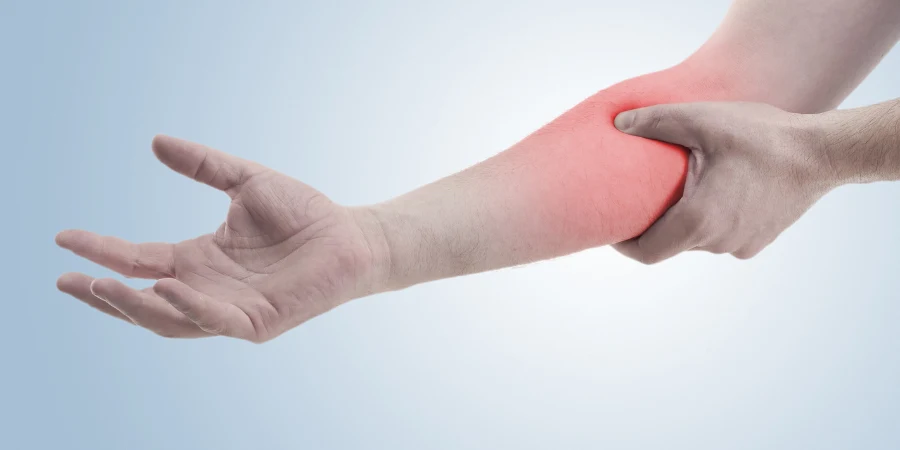
Lateral epicondylalgia, commonly known as tennis elbow, is a painful condition affecting the tendons that attach to the outer part of your elbow. Despite its name, you don’t need to play tennis to develop this condition. It occurs when the tendons connecting your forearm muscles to the bony prominence on the outside of your elbow become overloaded, irritated, or develop small tears.

The pain typically develops gradually and can range from mild discomfort to severe, debilitating pain that interferes with simple daily tasks. Many people describe it as a burning or aching sensation that worsens with specific movements, particularly gripping, lifting, or twisting actions.

Anatomy of the Elbow and Forearm

Lateral Epicondyle: The bony bump on the outside of your elbow where multiple forearm tendons attach. This is the primary site of pain in tennis elbow.

Extensor Tendons: Strong, fibrous tissues connecting forearm muscles to the elbow bone. The extensor carpi radialis brevis tendon is most commonly affected, though neighboring tendons may also be involved.

Forearm Muscles: These muscles control wrist extension, finger extension, and grip strength. When overworked, they place excessive stress on the tendon attachments at the elbow.

Radial Nerve: Runs near the affected area and can become sensitized, contributing to pain patterns that radiate down the forearm.

Causes and Mechanism of Injury

Repetitive Wrist Extension: Activities requiring repeated backward bending of the wrist (like using a screwdriver or painting) gradually strain the extensor tendons, leading to microscopic damage and inflammation.

Gripping Activities: Sustained or forceful gripping tasks (carrying heavy bags, using hand tools, typing) place continuous tension on the tendon attachment points.

Sudden Overload: A single forceful movement or unaccustomed heavy lifting can trigger symptoms, especially if the tendons are already weakened from previous strain.

Poor Technique: Incorrect form during sports, workplace activities, or exercise can concentrate force at the elbow rather than distributing it properly through the arm and shoulder.

Risk Factors for Developing Tennis Elbow

Occupational Demands: Jobs requiring repetitive arm movements (plumbers, carpenters, painters, butchers, cooks) significantly increase risk due to daily cumulative strain on forearm tendons.

Age and Tissue Changes: Most common between ages 30–50, when tendons naturally lose some elasticity and become more vulnerable to overuse injuries and slower to heal.

Racquet Sports: Tennis, squash, and badminton players face higher risk, especially with improper grip size, poor technique, or inadequate warm-up routines.

Previous Injury: Prior elbow injury or existing shoulder problems can alter movement patterns, placing abnormal stress on elbow tendons and predisposing them to injury.

Common Symptoms of Lateral Epicondylalgia

Outer Elbow Pain: Sharp, burning, or aching pain on the outside of the elbow that may radiate down the forearm, typically worsening with activity and improving with rest.

Grip Weakness: Difficulty with activities requiring gripping (shaking hands, turning doorknobs, holding a coffee cup) due to pain and reduced muscle activation.

Morning Stiffness: Elbow feels tight and sore upon waking, requiring time to “warm up” before movement becomes more comfortable throughout the day.

Activity-Specific Pain: Specific movements trigger pain (lifting objects with palm down, typing, using hand tools), while other activities may feel relatively normal.

Complications If Untreated

  • Chronic pain syndrome that becomes resistant to treatment and significantly impacts quality of life
  • Permanent weakness in grip strength and forearm function, limiting work and recreational activities
  • Compensatory injuries in the shoulder, neck, or opposite arm from altered movement patterns
  • Tendon degeneration progressing to irreversible structural changes requiring surgical intervention

Treatment at Physiocare for Lateral Epicondylalgia (Tennis Elbow)

At Physiocare Physiotherapy & Rehab Centre, we offer comprehensive, evidence-based treatment for tennis elbow across all our Ottawa locations. Our approach combines advanced technologies with hands-on techniques to address both your immediate pain and the underlying causes of your condition.

Treatments Available Across Our Clinics

Myofascial Release

Specialized hands-on technique targeting tight fascial tissues and trigger points in the forearm muscles. By releasing tension in the muscle belly, we reduce the pulling force on the irritated tendon attachment, alleviating pain at the elbow. This gentle, sustained pressure promotes blood flow, breaks down adhesions, and restores normal tissue mobility.

Chinese Cupping

Therapeutic cupping creates negative pressure to lift and separate tissue layers, dramatically increasing blood circulation to the affected tendons. The suction effect draws fresh, oxygen-rich blood to the area while removing metabolic waste products that contribute to inflammation. This accelerates healing, reduces pain, and improves tissue quality in the elbow region.

Laser Therapy

Low-level laser therapy uses specific wavelengths of light to penetrate deep into tendon tissue, stimulating cellular repair and reducing inflammation at the molecular level. This painless, non-invasive treatment increases ATP production in damaged cells, enhances collagen formation, and reduces pain signals. Patients typically experience progressive improvement with minimal treatment time.

TENS (Transcutaneous Electrical Nerve Stimulation)

Gentle electrical currents interrupt pain signals traveling from your elbow to your brain, providing immediate relief while you work on long-term healing. TENS also triggers the release of natural pain-relieving endorphins and promotes local circulation. This safe, medication-free pain management tool can be used during treatment sessions and at home.

IFC (Interferential Current Therapy)

Higher-frequency electrical stimulation penetrates deeper than TENS, reaching the tendon attachment site with minimal skin sensation. IFC reduces inflammation, decreases muscle spasm in the forearm, and promotes tissue healing through enhanced cellular activity. This comfortable treatment helps manage both acute flare-ups and chronic pain patterns effectively.

Therapeutic Shockwave Therapy

Advanced shockwave therapy delivers acoustic waves directly to the damaged tendon, triggering a controlled inflammatory response that “resets” the healing process. This powerful treatment breaks down scar tissue, stimulates new blood vessel formation, and promotes collagen remodeling. Research shows shockwave therapy significantly improves outcomes for stubborn tennis elbow cases. Available at Greenbank, Westboro, Kanata, and Barrhaven locations.

Graston Technique (IASTM)

Instrument-assisted soft tissue mobilization using specialized stainless steel tools to detect and treat areas of scar tissue and adhesions. The Graston Technique breaks down fascial restrictions, promotes tissue remodeling, and enhances healing through controlled microtrauma. Available at Greenbank location.

Deep Oscillation Therapy (DOT)

Unique electrostatic therapy creates gentle, deep-reaching oscillations in tissue without invasive pressure. DOT reduces swelling, decreases pain, and accelerates healing in sensitive, inflamed tendons. Unlike other modalities, DOT works without creating uncomfortable sensations, making it ideal for acute, painful presentations of tennis elbow.

Radio Frequency Therapy (StimPod)

Precision neuromuscular stimulation targets specific muscles and nerves to restore proper motor control and reduce pain sensitization. Radio frequency therapy addresses underlying muscle imbalances and movement dysfunction that contributed to tendon overload, helping retrain proper movement patterns and preventing recurrence after initial healing.

EMTT Therapy (Storz)

Extracorporeal Magnetotransduction Therapy uses high-energy magnetic pulses to stimulate deep tissue repair and reduce chronic inflammation. EMTT reaches areas other modalities cannot, making it exceptionally effective for stubborn, long-standing tennis elbow cases. Available at Kanata location.

How Physiotherapy Helps Manage Lateral Epicondylalgia

Physiotherapy addresses tennis elbow comprehensively by treating both symptoms and root causes. We reduce pain and inflammation through targeted manual therapy and advanced modalities while simultaneously improving strength, flexibility, and biomechanics. Our therapists identify movement compensations and ergonomic factors that contributed to your condition, then provide education and exercises to prevent future episodes.

Evidence shows physiotherapy is highly effective for tennis elbow, with most patients experiencing significant improvement within 6–12 weeks. Our individualized approach ensures you receive the specific combination of treatments your condition requires, adjusted as you progress through recovery.

Our Step-by-Step Approach

Assessment

Comprehensive evaluation of your pain, movement patterns, strength, and functional limitations to identify the specific factors contributing to your tennis elbow and rule out other conditions.

Personalized Plan

Development of an individualized treatment strategy based on your assessment findings, lifestyle demands, and recovery goals, combining the most appropriate therapies and exercises for your situation.

Evidence-Based Treatment

Implementation of proven manual therapy techniques, advanced modalities, and progressive exercises designed to reduce pain, promote healing, restore function, and address underlying causes.

Recovery & Prevention

Gradual return to full activities with ongoing education about proper ergonomics, activity modification, and maintenance exercises to prevent recurrence and optimize long-term elbow health.

Location-Specific Services

Physiocare Physiotherapy & Rehab Centre - Nepean

  • Myofascial Release
  • Cupping
  • Laser
  • TENS
  • IFC
  • Shockwave
  • Graston (IASTM)
  • DOT (Deep Oscillation Therapy)
  • Radio Frequency (StimPod)

Physiocare Physiotherapy & Rehab Centre - Carling

  • Myofascial Release
  • Cupping
  • Laser
  • TENS
  • IFC
  • DOT (Deep Oscillation Therapy)
  • Radio Frequency (StimPod)

Physiocare Physiotherapy & Rehab Centre - Westboro

  • Myofascial Release
  • Cupping
  • Laser
  • TENS
  • IFC
  • Shockwave
  • DOT (Deep Oscillation Therapy)
  • Radio Frequency (StimPod)

Physiocare Physiotherapy & Rehab Centre - Kanata

  • Myofascial Release
  • Cupping
  • Laser
  • TENS
  • IFC
  • Shockwave
  • DOT (Deep Oscillation Therapy)
  • Radio Frequency (StimPod)
  • EMTT (Storz)

Physiocare Physiotherapy & Rehab Centre - Stittsville

  • Myofascial Release
  • Cupping
  • Laser
  • TENS
  • IFC
  • DOT (Deep Oscillation Therapy)
  • Radio Frequency (StimPod)

Physiocare Physiotherapy & Rehab Centre - Barrhaven

  • Myofascial Release
  • Cupping
  • Laser
  • TENS
  • IFC
  • Shockwave

Physiocare Physiotherapy & Rehab Centre - South Keys

  • Myofascial Release
  • Cupping
  • Laser
  • TENS
  • IFC
  • Shockwave
  • DOT (Deep Oscillation Therapy)
  • Radio Frequency (StimPod)

Why Choose Physiocare for Lateral Epicondylalgia (Tennis Elbow)?

Our therapists hold advanced certifications in manual therapy, orthopedic rehabilitation, and specialized treatment techniques specifically for tendon conditions. We invest in cutting-edge technologies like shockwave therapy, EMTT, and deep oscillation therapy that significantly improve outcomes for stubborn tennis elbow cases.

Every treatment plan is built around your unique needs, lifestyle, and goals. As a trusted physiotherapy clinic in Ottawa, we serve multiple convenient locations across the city, making it easy to access expert care close to home or work without compromising on quality or consistency of treatment.

Frequently Asked Questions About Tennis Elbow Treatment

Most treatments are comfortable, though some techniques like shockwave therapy may cause brief discomfort. We adjust intensity to your tolerance and any pain is temporary, helping long-term healing.

Previous unsuccessful treatment often reflects incomplete approaches. Our comprehensive assessment identifies missed factors, and our advanced technologies address stubborn cases that don't respond to basic therapy.

No referral is required. You can book directly with Physiocare. However, if you have extended health benefits, check whether your insurance requires a physician referral for coverage.

Many patients notice reduced pain within 2–3 weeks. Significant functional improvement typically occurs within 6–8 weeks, though complete tendon healing may take 12 weeks or longer depending on severity.

Mild cases may improve with rest, but most require active treatment. Without proper care, symptoms often persist for months or years, leading to chronic pain and permanent weakness.

Most patients require 8–12 sessions over 6–12 weeks, though this varies based on severity, chronicity, and individual response. Your therapist will provide a personalized timeline after assessment.

Often yes, with modifications. We'll help identify problematic movements and suggest ergonomic adjustments, activity modifications, and supportive strategies to protect your elbow while maintaining work productivity.

Rarely. Over 90% of tennis elbow cases resolve with conservative physiotherapy treatment. Surgery is only considered after 6–12 months of unsuccessful non-surgical treatment for persistent, severe cases.

Recurrence risk is significantly reduced when you complete the full treatment program, including strengthening exercises and learning proper movement techniques. We provide prevention strategies to maintain long-term elbow health.

Temporarily limit activities that trigger pain (repetitive gripping, forceful twisting, heavy lifting with palm down). Your therapist will provide specific guidance about modifying activities while promoting continued movement.

Our Professional Team at Physiocare

Healing Hands, Happy Hearts: What Our Patients Say

Citations & References

  1. Bisset L, et al. (2005). Mobilisation with movement and exercise, corticosteroid injection, or wait and see for tennis elbow: randomised trial. BMJ, 333(7575), 939. doi:10.1136/bmj.38961.584653.AE
  2. Coombes BK, et al. (2015). Effect of corticosteroid injection, physiotherapy, or both on clinical outcomes in patients with unilateral lateral epicondylalgia. JAMA, 309(5), 461–469. doi:10.1001/jama.2013.129
  3. Krogh TP, et al. (2013). Treatment of lateral epicondylitis with platelet-rich plasma, glucocorticoid, or saline: a randomized, double-blind, placebo-controlled trial. American Journal of Sports Medicine, 41(3), 625–635. doi:10.1177/0363546512472975
  4. Buchbinder R, et al. (2011). Lateral epicondylitis. In: Clinical Evidence. BMJ Publishing Group.
    https://www.ncbi.nlm.nih.gov/pmc/articles/PMC3217736/
  5. Stasinopoulos D, Johnson MI. (2004). Cyriax physiotherapy for tennis elbow/lateral epicondylitis. British Journal of Sports Medicine, 38(6), 675–677. doi:10.1136/bjsm.2003.010470
Request Appointment

Register for Event

Please fill the form below to book your slot for the event

This will close in 0 seconds

Call Now Button