Understanding Spinal Surgery Recovery
What Is Spinal Surgery Recovery?
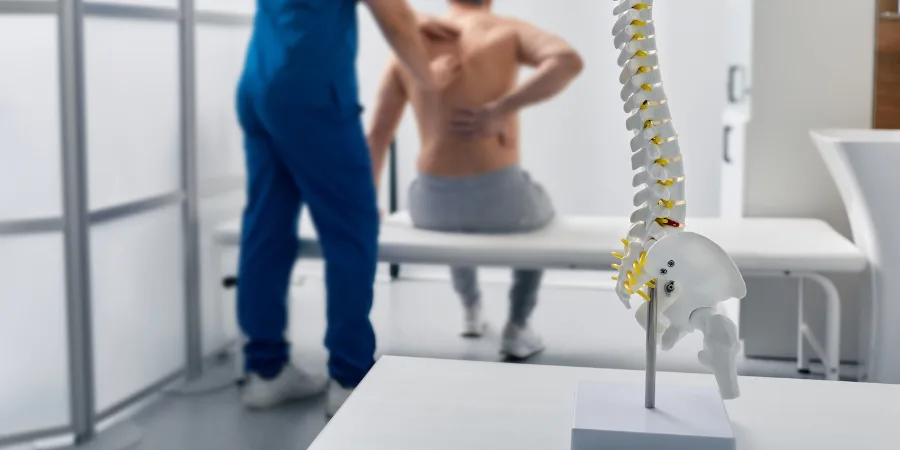
Spinal surgery recovery is the comprehensive rehabilitation process following surgical interventions on the spine, including procedures such as discectomy, laminectomy, spinal fusion, or decompression surgery. This critical healing phase typically spans several weeks to months, during which the body repairs surgical sites while patients gradually regain mobility, strength, and functional independence. Proper rehabilitation is essential to optimize surgical outcomes and prevent complications.
The recovery timeline varies based on surgery type, individual health factors, and adherence to rehabilitation protocols. Without appropriate physiotherapy guidance, patients risk developing compensatory movement patterns, prolonged weakness, or incomplete functional restoration that can impact long-term quality of life.
Relevant Anatomy
Spinal Column Structure:
- The spine consists of 33 vertebrae divided into cervical, thoracic, lumbar, sacral, and coccygeal regions, with intervertebral discs providing cushioning
- The spinal cord runs through the vertebral canal, protected by bony structures and surrounded by cerebrospinal fluid
- Facet joints connect vertebrae and allow controlled movement, while ligaments and muscles provide stability
Surgical Impact:
- Spinal surgery may involve removal of disc material, bone spurs, or lamina to relieve nerve compression
- Fusion procedures use hardware to stabilize vertebral segments, limiting motion at specific levels
- Post-surgical healing involves tissue repair, inflammation reduction, and gradual remodeling of affected structures
- Understanding which anatomical structures were addressed helps guide appropriate rehabilitation strategies
Causes and Surgical Indications
Common Reasons for Spinal Surgery:
- Herniated or ruptured discs causing nerve compression and radiating pain
- Spinal stenosis narrowing the spinal canal and affecting nerve function
- Degenerative disc disease causing instability or chronic pain
- Spondylolisthesis where vertebrae slip out of proper alignment
Additional Surgical Triggers:
- Spinal fractures from trauma or osteoporosis requiring stabilization
- Tumours or infections affecting spinal structures
- Scoliosis or other spinal deformities impacting function
- Failed conservative treatments warranting surgical intervention
Risk Factors for Complicated Recovery
Patient-Related Factors:
- Advanced age affecting healing capacity and baseline strength
- Pre-existing conditions like diabetes, obesity, or osteoporosis
- Smoking status impairing tissue healing and bone fusion
- Poor nutritional status or vitamin deficiencies
Surgery-Related Considerations:
- Extensive surgical procedures involving multiple spinal levels
- Revision surgeries following previous spinal interventions
- Post-operative complications such as infection or hardware issues
- Inadequate adherence to post-surgical precautions and restrictions
Common Symptoms During Recovery
Expected Post-Surgical Experiences:
- Localized incision pain and surgical site tenderness
- Muscle stiffness and reduced spinal mobility
- Fatigue and reduced endurance during daily activities
- Temporary weakness in muscles surrounding the surgical area
Symptoms Requiring Monitoring:
- Radiating pain or numbness in arms or legs
- Difficulty with balance or coordination
- Anxiety about movement and fear of re-injury
- Sleep disturbances due to discomfort or positioning challenges
Complications If Untreated
- Development of chronic pain patterns and movement dysfunction
- Persistent muscle weakness leading to functional limitations
- Formation of excessive scar tissue restricting mobility
- Increased risk of falls, re-injury, or failed surgical outcomes
- Prolonged disability affecting return to work and daily independence
Treatment at Physiocare for Spinal Surgery Recovery
Recovering from spinal surgery requires more than rest—it demands expert guidance to rebuild strength, restore mobility, and regain confidence safely. At Physiocare, our specialized spinal surgery rehabilitation programs combine advanced manual techniques with cutting-edge technologies to accelerate healing while protecting surgical integrity. We understand the fear and uncertainty that often accompany post-surgical recovery, which is why our certified therapists create personalized treatment plans that progress at your pace, addressing both physical limitations and emotional concerns throughout your journey.
Treatments Offered Across Our Clinics
Myofascial Release (Available at all locations)
- Gently releases tension in fascia surrounding surgical sites without stressing healing tissues
- Reduces compensatory muscle tightness that develops from altered movement patterns
- Improves tissue mobility and circulation to promote optimal healing
- Addresses restrictions in areas distant from surgery that affect spinal function
Laser Therapy (Available at all locations)
- Accelerates cellular healing and reduces inflammation at surgical sites
- Decreases post-operative pain through natural analgesic effects
- Promotes tissue repair and collagen formation for stronger healing
- Non-invasive treatment that complements other rehabilitation interventions
TENS (Transcutaneous Electrical Nerve Stimulation) (Available at all locations)
- Provides drug-free pain relief by stimulating sensory nerves
- Reduces reliance on pain medications during recovery
- Can be used at home between therapy sessions for ongoing pain management
- Adjustable settings allow customization to individual comfort levels
IFC (Interferential Current Therapy) (Available at all locations)
- Delivers deep tissue pain relief through intersecting electrical currents
- Reduces muscle spasm and promotes relaxation in tense spinal muscles
- Enhances circulation to surgical areas supporting tissue healing
- Comfortable modality well-tolerated during early recovery phases
DOT (Deep Oscillation Therapy) (Available at all locations)
- Uses electrostatic attraction to create gentle tissue oscillation
- Reduces post-surgical swelling and inflammation safely
- Promotes lymphatic drainage without mechanical pressure on healing tissues
- Accelerates resorption of surgical edema for improved comfort and mobility
Manual Lymphatic Drainage (Available at Greenbank, Carling, Westboro, Barrhaven)
- Specialized gentle massage technique that reduces post-surgical swelling
- Enhances immune function and tissue healing through improved lymph flow
- Particularly beneficial for patients experiencing persistent edema after surgery
- Promotes relaxation and reduces tissue tension around surgical sites
Accu Stim Microcurrent (Available at all locations)
- Delivers sub-sensory electrical currents that enhance cellular healing
- Accelerates tissue repair at the cellular level through ATP production
- Reduces inflammation and scar tissue formation
- Gentle treatment suitable for sensitive post-surgical tissues
Dolphin Neurostim Microcurrent (Available at all locations)
- Targets trigger points and scar tissue with precision microcurrent therapy
- Releases chronic muscle tension and fascial restrictions
- Addresses both local and referred pain patterns
- Portable device allows targeted treatment of specific problem areas
Craniosacral Therapy (Available at Westboro, Kanata, Barrhaven)
- Gentle hands-on technique addressing fascial restrictions throughout the body
- Promotes nervous system regulation and stress reduction during recovery
- Addresses compensatory patterns that develop after spinal surgery
- Supports whole-body integration and improved movement quality
DNS (Dynamic Neuromuscular Stabilization) (Available at Westboro, Kanata, Stittsville)
- Retrains core stabilization patterns based on developmental movement principles
- Addresses deep spinal stabilizers essential for long-term spine health
- Teaches optimal movement strategies that protect surgical sites
- Builds functional strength through purposeful, coordinated movement patterns
Red Cord Therapy (Neurac) (Available at Greenbank, Kanata)
- Suspension-based exercise system that retrains neuromuscular control
- Allows graduated weight-bearing progression in safe, controlled environment
- Identifies and corrects weak links in movement chains affecting spinal function
- Builds endurance and coordination while respecting surgical precautions
EMTT (Extracorporeal Magnetotransduction Therapy – Storz) (Available at Kanata)
- Advanced electromagnetic therapy promoting cellular regeneration
- Enhances bone healing particularly beneficial for fusion patients
- Reduces chronic pain through modulation of pain pathways
- Non-invasive treatment accelerating recovery timelines
Maitland Mobilizations
- Gentle joint mobilization techniques restoring spinal segment mobility
- Graded approach allows safe progression as healing advances
- Reduces stiffness and improves movement quality at non-fused segments
- Evidence-based manual therapy addressing specific movement restrictions
Mulligan Mobilizations
- Movement-with-mobilization techniques improving functional range
- Addresses pain-free movement restrictions common after spinal surgery
- Immediate feedback allows precise treatment adjustments
- Empowers patients with self-treatment strategies for home use
How Physiotherapy Helps Spinal Surgery Recovery
Physiotherapy serves as the bridge between surgical intervention and full functional recovery. Our evidence-based approach systematically addresses post-surgical impairments while respecting healing timelines and surgical precautions. Through targeted manual therapy and progressive therapeutic exercise, we restore normal movement patterns, rebuild core stability, and retrain the neuromuscular system to support your spine effectively.
Beyond physical restoration, physiotherapy addresses the psychological aspects of surgical recovery. Many patients experience fear of movement or re-injury that can limit rehabilitation progress. Our compassionate therapists provide education, reassurance, and graduated exposure to activities, helping you rebuild confidence alongside physical capacity for lasting functional independence.
Our Step-by-Step Spinal Surgery Rehabilitation Approach
Comprehensive Assessment
We begin with detailed evaluation of your surgical procedure, current mobility, pain levels, functional limitations, and personal recovery goals, establishing a clear baseline and identifying specific barriers to progress.
Personalized Recovery Plan
Based on assessment findings and surgical protocols, we design an individualized rehabilitation program that respects tissue healing phases while progressively challenging your system to adapt and strengthen.
Evidence-Based Treatment Implementation
Your program integrates appropriate manual techniques, therapeutic modalities like laser therapy, and graduated exercises that address your specific impairments while preventing compensatory patterns.
Recovery Monitoring and Long-Term Prevention
We continuously assess progress, adjusting treatments as healing advances, while teaching you sustainable strategies for spinal health, proper body mechanics, and self-management techniques that protect your surgical outcomes for life.
Location-Specific Spinal Surgery Recovery Services
Why Choose Physiocare for Spinal Surgery Recovery?
Our therapists hold advanced certifications in post-surgical rehabilitation, manual therapy techniques, and specialized modalities specifically beneficial for spinal recovery. We understand that recovering from spine surgery involves both physical healing and emotional adjustment, which is why we create supportive environments where you feel heard, understood, and empowered throughout your rehabilitation journey.
With six convenient Ottawa locations offering flexible scheduling and direct billing, accessing expert spinal surgery rehabilitation has never been easier. As a trusted physio clinic in Ottawa, we combine cutting-edge technologies like EMTT and Red Cord Neurac with compassionate, patient-centered care that addresses your unique recovery needs, surgical considerations, and personal goals for returning to the activities you love.
Frequently Asked Questions About Spinal Surgery Recovery
Our Professional Team at Physiocare
Healing Hands, Happy Hearts: What Our Patients Say
Citations and References
- Mayo Clinic. (2024). Spinal fusion recovery: What to expect after surgery. Retrieved from https://www.mayoclinic.org/tests-procedures/spinal-fusion/about/pac-20384523
- Rushton, A., Eveleigh, G., Petherick, E. J., Heneghan, N., Bennett, R., James, G., & Goodwin, P. C. (2023). Physiotherapy rehabilitation following lumbar spinal fusion surgery: A systematic review and meta-analysis of randomized controlled trials. BMJ Open, 13(5), e065947. https://doi.org/10.1136/bmjopen-2022-065947
- North American Spine Society. (2024). Evidence-based clinical guidelines for multidisciplinary spine care: Postoperative rehabilitation after lumbar spine surgery. Retrieved from https://www.spine.org/
- Archer, K. R., Wegener, S. T., Seebach, C., Song, Y., Skolasky, R. L., Thornton, C., Khanna, A. J., & Castillo, R. C. (2022). The effect of fear of movement beliefs on pain and disability after surgery for lumbar and cervical degenerative conditions. Spine, 47(3), 267-274. https://doi.org/10.1097/BRS.0000000000004128
- Physiopedia. (2024). Postoperative physiotherapy following spinal surgery. Retrieved from https://www.physio-pedia.com/Postoperative_Physiotherapy_Following_Spinal_Surgery
- McGregor, A. H., Probyn, K., Cro, S., Doré, C. J., Burton, A. K., Balagué, F., Pincus, T., & Fairbank, J. (2021). Rehabilitation following surgery for lumbar spinal stenosis: A Cochrane review. Spine, 46(21), E1120-E1134. https://doi.org/10.1097/BRS.0000000000004102