Understanding Respiratory Muscle Weakness
What Is Respiratory Muscle Weakness?
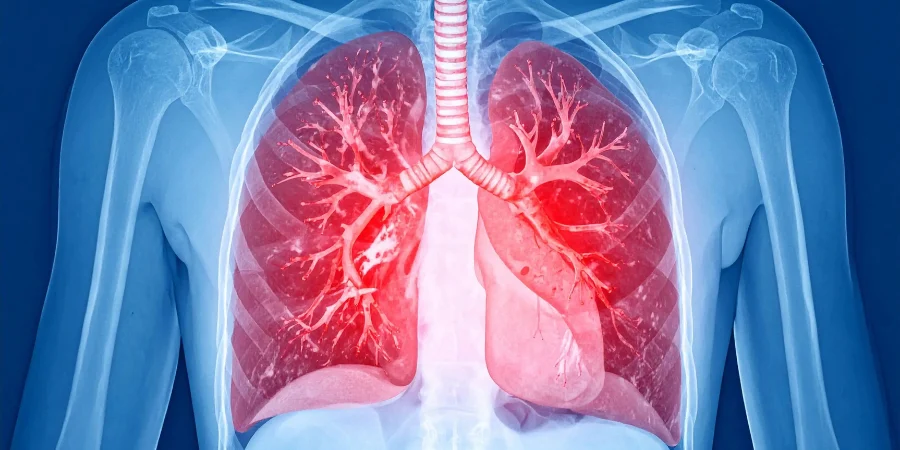
Respiratory muscle weakness occurs when the muscles responsible for breathing—particularly the diaphragm and intercostal muscles—lose strength or coordination. This condition compromises your ability to breathe efficiently, leading to shortness of breath, fatigue, and reduced exercise tolerance.
The weakness can develop gradually or suddenly, affecting anyone from athletes recovering from illness to individuals with chronic conditions. Understanding this condition is the first step toward restoring your breathing capacity and reclaiming your quality of life.
Respiratory Anatomy and Function
Your respiratory system relies on several muscle groups working in harmony:
- Diaphragm: The primary breathing muscle beneath your lungs, responsible for 70-80% of breathing effort during rest
- Intercostal muscles: Located between your ribs, these muscles expand and contract your chest cavity
- Accessory muscles: Including neck and shoulder muscles that assist during deep breathing or exertion
- Abdominal muscles: Support exhalation and maintain proper breathing mechanics
When these muscles weaken, your body compensates inefficiently, creating breathing patterns that further compromise respiratory function and increase fatigue.
Causes and Mechanisms of Respiratory Muscle Weakness
Neurological Conditions
- Post-concussion syndrome affecting respiratory control centers
- Neurological disorders impacting nerve signals to breathing muscles
- Spinal cord injuries disrupting diaphragmatic innervation
Medical Conditions
- Prolonged mechanical ventilation causing disuse atrophy
- Chronic obstructive pulmonary disease (COPD) creating muscle fatigue
- Cardiac conditions reducing oxygen delivery to respiratory muscles
Lifestyle and Environmental Factors
- Prolonged bed rest or sedentary behavior
- Poor posture compressing the diaphragm
- Chest wall restrictions from surgery or injury
Risk Factors for Developing Respiratory Muscle Weakness
Medical History
- Previous respiratory infections or pneumonia
- History of intensive care unit admission
- Chronic lung or heart conditions
- Recent concussion or traumatic brain injury
Lifestyle Factors
- Smoking or exposure to respiratory irritants
- Sedentary lifestyle with minimal cardiovascular activity
- Obesity restricting diaphragmatic movement
- Advanced age with natural muscle decline
Occupational and Environmental
- Jobs requiring prolonged sitting or poor posture
- Exposure to pollutants or allergens
- High-stress environments affecting breathing patterns
Common Symptoms of Respiratory Muscle Weakness
Breathing Difficulties
- Shortness of breath during minimal exertion
- Difficulty taking deep breaths
- Rapid, shallow breathing patterns
- Sensation of air hunger or breathlessness
Physical Limitations
- Reduced exercise tolerance and stamina
- Difficulty climbing stairs or walking distances
- Inability to speak in full sentences without pausing
- Frequent need to rest during daily activities
Secondary Symptoms
- Persistent fatigue and low energy
- Poor sleep quality or sleep disturbances
- Anxiety related to breathing difficulties
- Reduced voice volume or projection
Complications If Untreated
- Progressive respiratory failure requiring medical intervention
- Increased risk of pneumonia and respiratory infections
- Severe activity limitation affecting independence
- Chronic fatigue and reduced quality of life
- Development of anxiety and depression
- Hospital readmissions and medical complications
Treatment at Physiocare for Respiratory Muscle Weakness
At Physiocare, we understand how frightening and limiting breathing difficulties can feel. Our specialized respiratory rehabilitation program combines advanced techniques to restore your breathing strength, rebuild your confidence, and help you return to the activities you love.
Our Comprehensive Treatment Approach
Dynamic Neuromuscular Stabilization (DNS)
- Retrains optimal breathing patterns through developmental positions
- Activates the diaphragm’s stabilizing role in core function
- Integrates breathing coordination with movement and posture
- Restores natural, efficient respiratory mechanics
Red Cord Therapy (Neurac)
- Uses suspension and vibration to activate weakened respiratory muscles
- Improves neuromuscular control of breathing patterns
- Builds respiratory muscle endurance in functional positions
- Enhances coordination between breathing and movement
Breathing Retraining
- Corrects dysfunctional breathing patterns and habits
- Teaches diaphragmatic breathing techniques
- Reduces reliance on accessory breathing muscles
- Improves oxygen efficiency and reduces breathlessness
- Addresses anxiety-related breathing dysfunction
- Addresses post-concussion respiratory control dysfunction
- Restores autonomic nervous system regulation of breathing
- Integrates breathing exercises with vestibular and visual rehabilitation
- Available across all six Ottawa locations
How Physiotherapy Helps Manage Respiratory Muscle Weakness
Physiotherapy offers evidence-based solutions that directly strengthen respiratory muscles and improve breathing efficiency. Through targeted exercises and manual techniques, we enhance diaphragmatic function, increase lung capacity, and reduce the work of breathing.
Our therapists identify compensatory patterns that worsen symptoms and retrain your body to breathe optimally. This reduces fatigue, improves exercise tolerance, and restores your confidence in daily activities. You’ll feel the difference as breathing becomes easier and your energy returns.
Your Step-by-Step Recovery Journey
Assessment
Comprehensive evaluation of respiratory muscle strength, breathing patterns, posture, and functional limitations to identify specific weaknesses.
Personalized Plan
Customized treatment protocol combining the most effective techniques for your condition, goals, and lifestyle needs.
Evidence-Based Treatment
Progressive respiratory muscle training, breathing retraining, postural correction, and functional exercises delivered by specialized therapists.
Recovery & Prevention
Ongoing support, home exercise programs, and education to maintain respiratory strength and prevent future decline.
Location-Specific Treatment for Respiratory Muscle Weakness
Why Choose Physiocare for Respiratory Muscle Weakness?
Our team includes certified specialists in respiratory rehabilitation, concussion management, and neuromuscular retraining. We offer advanced techniques like DNS and Red Cord Therapy that few Ottawa clinics provide, ensuring you receive cutting-edge care.
As a trusted physiotherapy clinic in Ottawa, we understand the anxiety that accompanies breathing difficulties. Our patient-centered approach combines compassionate support with evidence-based treatment across six convenient locations, making specialized respiratory care accessible when you need it most.
Frequently Asked Questions About Respiratory Muscle Weakness
Our Professional Team at Physiocare
Healing Hands, Happy Hearts: What Our Patients Say
Citations and References
- Khedr, E. M., et al. (2021). Inspiratory muscle training in patients with post-COVID-19 persistent dyspnea. European Journal of Physical and Rehabilitation Medicine, 57(5), 754-761.
https://pubmed.ncbi.nlm.nih.gov/34668379/ - Restrepo, R. D., et al. (2020). Respiratory Muscle Training in Critically Ill Patients: Evidence-Based Guidelines. Respiratory Care, 65(8), 1153-1167.
https://pubmed.ncbi.nlm.nih.gov/32699156/ - Mayo Clinic. (2024). Respiratory muscle weakness: Symptoms and causes.
https://www.mayoclinic.org/diseases-conditions/ - Smondack, P., et al. (2022). Dynamic Neuromuscular Stabilization improves respiratory function in neurological patients: A systematic review. Physiotherapy Theory and Practice, 38(9), 1245-1258.
https://pubmed.ncbi.nlm.nih.gov/33356753/ - Physiopedia. (2024). Respiratory Muscle Training.
https://www.physio-pedia.com/Respiratory_Muscle_Training