Understanding Hip & Groin Post-Operative Rehabilitation
What Is Post-Operative Rehabilitation for Hip & Groin?
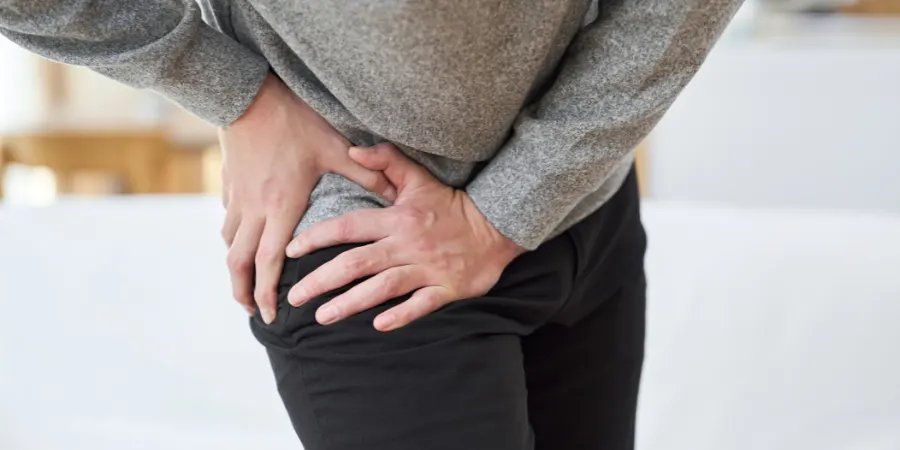
Post-operative rehabilitation is a structured physiotherapy program designed to restore strength, mobility, and function following hip or groin surgery. Whether you’ve undergone hip replacement, arthroscopy, labral repair, or groin hernia surgery, targeted rehabilitation helps your body heal properly while preventing compensatory movement patterns that could lead to future problems.
Recovery isn’t just about waiting for surgical wounds to heal. Your muscles, tendons, and joints need guided movement and progressive strengthening to regain their pre-injury capabilities. Without proper rehabilitation, you risk developing stiffness, weakness, altered gait patterns, and chronic pain that could have been prevented.
Relevant Anatomy of the Hip & Groin Region
The hip joint is a ball-and-socket structure where the femoral head fits into the acetabulum of the pelvis, allowing remarkable range of motion while bearing significant weight during daily activities.
- Hip joint capsule and ligaments that provide stability during movement
- Labrum — cartilage ring that deepens the socket and cushions the joint
- Major muscle groups including hip flexors, gluteals, adductors, and rotators that control movement
- Inguinal canal in the groin where hernias commonly occur
- Neurovascular structures that can be affected by surgery or swelling
Understanding these structures helps you appreciate why specific exercises target certain movements during your recovery.
Causes & Types of Hip & Groin Surgeries
Hip surgeries may be necessary due to:
- Osteoarthritis requiring total hip replacement
- Hip labral tears from sports or repetitive motion
- Femoroacetabular impingement (FAI) causing bone-on-bone contact
- Hip fractures from falls or trauma
- Avascular necrosis reducing blood supply to the femoral head
Groin surgeries commonly address:
- Inguinal or sports hernias creating weakness in the abdominal wall
- Athletic pubalgia (sports hernia) affecting high-level athletes
- Adductor tendon repairs following muscle tears
Each surgical procedure creates specific tissue healing timelines and rehabilitation requirements.
Risk Factors for Surgical Complications
Several factors can influence your post-operative recovery:
- Age and general health status affecting healing capacity
- Pre-existing conditions like diabetes or cardiovascular disease
- Smoking which impairs tissue healing and increases infection risk
- Inadequate rehabilitation leading to stiffness, weakness, or re-injury
- Returning to activity too quickly before tissues have properly healed
- Poor surgical outcomes requiring revision or extended recovery
Recognizing these factors allows your physiotherapy team to customize your rehabilitation approach.
Common Symptoms During Post-Operative Recovery
Early post-operative phase (0–6 weeks):
- Surgical site pain and swelling
- Reduced range of motion and stiffness
- Muscle weakness and difficulty bearing weight
- Bruising and localized tenderness
Later recovery phase (6 weeks+):
- Gradual improvement in mobility and strength
- Compensatory movement patterns if not properly addressed
- Occasional discomfort during new activities
- Psychological adjustment to movement limitations
These symptoms are normal parts of healing, but their progression should be monitored by qualified professionals.
Complications If Left Untreated
Without proper rehabilitation:
- Chronic stiffness and permanent mobility restrictions
- Muscle atrophy and persistent weakness
- Development of abnormal gait patterns causing secondary pain
- Increased risk of falls and future injuries
- Prolonged recovery time and poor surgical outcomes
Treatment at Physiocare for Hip & Groin Post-Operative Rehabilitation
Comprehensive Treatment Options Across Our Locations
Myofascial Release (Available at all locations)
- Addresses soft tissue restrictions and scar tissue formation around surgical sites
- Improves blood flow to healing tissues, accelerating recovery
- Reduces compensatory tension patterns in surrounding muscles
- Restores normal tissue mobility and flexibility
DNS (Dynamic Neuromuscular Stabilization) (Westboro, Kanata, Stittsville)
- Retrains optimal movement patterns based on developmental principles
- Activates deep stabilizing muscles essential for hip function
- Corrects compensation strategies developed during pain avoidance
- Builds foundational strength for advanced rehabilitation
Red Cord Therapy (Neurac) (Greenbank, Kanata)
- Uses suspension therapy to safely challenge balance and strength
- Allows early weight-bearing exercises in a controlled environment
- Identifies and corrects muscle imbalances during functional movements
- Provides neuromuscular re-education for optimal recovery
Laser Therapy (Available at all locations)
- Accelerates tissue healing at the cellular level through photobiomodulation
- Reduces inflammation and post-operative swelling
- Manages pain without pharmaceutical interventions
- Promotes collagen formation for stronger tissue repair
TENS (Transcutaneous Electrical Nerve Stimulation) (Available at all locations)
- Provides non-invasive pain relief during early recovery phases
- Reduces reliance on pain medications
- Allows earlier participation in active rehabilitation exercises
IFC (Interferential Current) (Available at all locations)
- Penetrates deeper tissues to reduce inflammation and muscle spasm
- Enhances circulation to surgical sites
- Complements manual therapy and exercise interventions
- Gently stimulates lymphatic drainage to reduce post-surgical swelling
- Accelerates healing without causing pain or tissue stress
- Improves tissue quality around surgical scars
- Uses electromagnetic transduction therapy to enhance cellular regeneration
- Particularly effective for bone healing after hip replacements or fractures
- Reduces recovery time through advanced biophysical mechanisms
How Physiotherapy Helps Manage Hip & Groin Post-Operative Recovery
Physiotherapy is essential for optimal surgical outcomes. Our evidence-based approach restores strength, mobility, and confidence through progressive rehabilitation. We address not just the surgical site but your entire movement system, preventing compensatory patterns that could cause future problems. Our therapists work closely with your surgeon’s protocols while personalizing your program to match your recovery pace and functional goals.
Our Step-by-Step Treatment Approach
Assessment
Comprehensive evaluation of your surgical procedure, current mobility, strength deficits, pain levels, and functional limitations. We review the surgeon’s protocols and establish baseline measurements.
Personalized Plan
Customized rehabilitation program respecting healing timelines while progressively challenging your recovery. Your plan evolves as you meet milestones, ensuring safe advancement.
Evidence-Based Treatment
Combination of manual therapy, therapeutic exercises, and advanced modalities like laser therapy and deep oscillation therapy tailored to your surgical procedure.
Recovery & Prevention
Gradually return to daily activities, work, and sports with movement education to prevent re-injury. Long-term strategies ensure your surgical outcomes last for years to come.
Location-Specific Hip & Groin Post-Operative Rehabilitation Services
Why Choose Physiocare for Hip & Groin Post-Operative Rehabilitation?
Our team includes advanced-certified therapists trained in specialized post-operative protocols and contemporary rehabilitation techniques. We offer cutting-edge therapies like Neurac suspension training, EMTT, and DNS that accelerate recovery beyond traditional approaches.
With six convenient locations across Ottawa, we provide consistent, high-quality care close to your home or workplace. As a trusted physiotherapy clinic in Ottawa, we prioritize your comfort, progress, and long-term surgical success through compassionate, evidence-based treatment.
Frequently Asked Questions About Hip & Groin Post-Operative Rehabilitation
Our Professional Team at Physiocare
Healing Hands, Happy Hearts: What Our Patients Say