Physiocare Physiotherapy & Rehab Centre Ottawa
Now Open: Our 8th Location in
South Keys!
Updated on August 4, 2026

Written By
Harshitkumar Patel
Resident Physiotherapist
Musculoskeletal and Orthopedic Rehabilitation Expert
Musculoskeletal and Orthopedic Rehabilitation Expert

✓ Clinically Reviewed By:
Gunjan Vermani
Director and Registered Physiotherapist
20+ Years Experience
Clinical Specialties:
Central pain management, Concussion rehabilitation
Tennis Elbow: How Physiotherapy Can Help You Recover
Tennis elbow is one of the most common overuse injuries seen in clinical practice — and also one of the most misunderstood. Despite its name, most individuals affected have never played tennis. Office workers, tradespeople, parents, gym-goers, and anyone performing repetitive hand and arm movements can develop this condition.
As a physiotherapist, early and targeted intervention is key to improving recovery outcomes. For individuals seeking tennis elbow treatment in Ottawa through physiotherapy in Ottawa, timely assessment and management can significantly reduce pain and restore function more efficiently.
This guide explains what tennis elbow is, why it develops, and how physiotherapy can help you return to the activities that matter most with confidence.
What Is Tennis Elbow?
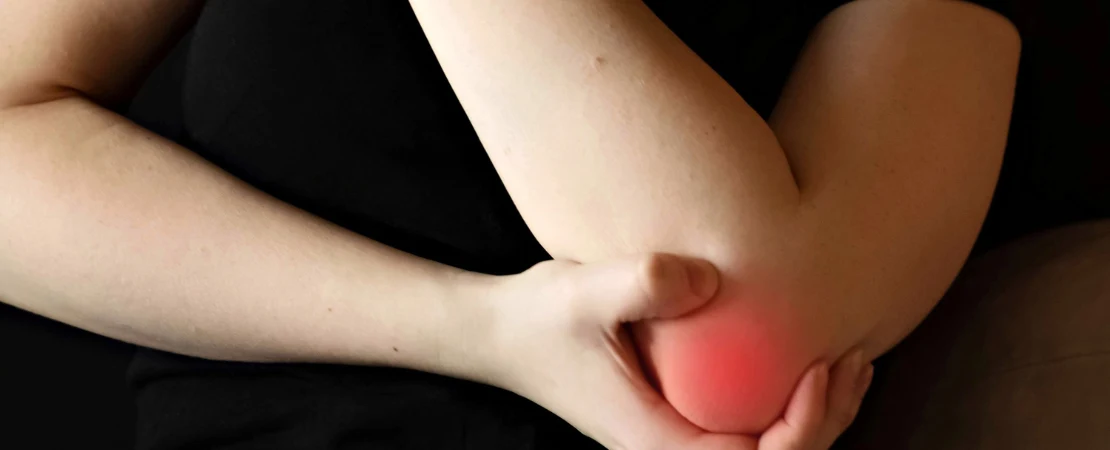
Tennis elbow — clinically known as lateral epicondylalgia — is a painful condition affecting the tendon on the outside of the elbow. This tendon, primarily the extensor carpi radialis brevis (ECRB), helps control gripping, lifting, and twisting movements of the wrist and forearm. When it is repeatedly overloaded without adequate recovery, the tissue begins to break down and become painful.
Importantly, tennis elbow is now understood to be a tendinopathy rather than a simple inflammation. Research over the past decade has shown that the underlying tissue changes are degenerative rather than purely inflammatory — which is why treatment needs to go beyond rest and anti-inflammatories alone.
What Causes Tennis Elbow?
Tennis elbow develops gradually when cumulative load on the tendon exceeds its capacity to recover. Common contributing factors include:
Repetitive gripping, lifting, or twisting activities over long periods; prolonged desk work with poor forearm positioning; a sudden increase in gym training or manual workload; poor lifting or gripping technique; weakness in the shoulder, upper back, or rotator cuff muscles; and poor overall posture that shifts load toward the forearm and elbow.
In clinical practice, we often find that the elbow is the site of pain but not the source of the problem. Weakness higher up the kinetic chain — in the shoulder, mid-back, or neck — frequently contributes to tendon overload at the elbow.
Common Symptoms
People with tennis elbow typically experience:
- Pain or tenderness directly on the outside of the elbow
- Pain that worsens with gripping, lifting, or carrying
- Discomfort with everyday tasks such as holding a coffee cup, using a phone, or turning a steering wheel
- Pain that radiates down the forearm
- A sense of weakness or unreliability in the hand or wrist
Symptoms usually develop gradually and can worsen significantly if left unaddressed. If your pain has been present for more than a few weeks, it is worth getting a professional assessment.
How Physiotherapy Can Help
Physiotherapy for tennis elbow is not a one-size-fits-all approach. At a physiotherapy clinic in Ottawa, treatment is always individualised, taking into account your symptoms, occupation, activity level, and recovery goals.
Evidence consistently supports physiotherapy as a first-line treatment for lateral epicondylalgia. A 2019 systematic review published in the British Journal of Sports Medicine found that exercise therapy—particularly progressive tendon loading—produced superior long-term outcomes compared to corticosteroid injections or wait-and-see approaches. A 2021 clinical practice guideline from the Journal of Orthopaedic & Sports Physical Therapy reinforced that multimodal physiotherapy, combining manual therapy with structured exercise, provides the strongest evidence for recovery.
For patients seeking physiotherapy in Ottawa for tennis elbow, this evidence-based, progressive approach is typically delivered within a structured rehabilitation programme designed to restore tendon capacity, reduce pain, and prevent recurrence.
1. Pain Relief and Early Management
In the early stages, the priority is settling pain and irritation so that rehabilitation can begin. This may include advice on modifying painful activities, appropriate use of ice or heat, and pain-relief modalities such as TENS, therapeutic ultrasound, low-level laser therapy, or interferential current (IFC). These interventions help reduce discomfort and create a window for active treatment.
2. Hands-On Treatment and Mobilisation
Manual therapy is a well-supported component of tennis elbow management. Soft tissue massage to the forearm extensors helps relieve muscle tightness and improve tissue mobility. Gentle joint mobilisation of the elbow and wrist can restore normal movement patterns and reduce pain with activity.
Mulligan Mobilisation with Movement (MWM) is a technique worth highlighting. A lateral glide is applied to the elbow joint while you perform a gripping or lifting movement. Many patients notice immediate, meaningful pain relief during the session — making it both a treatment and a useful indicator of progress.
3. Acupuncture and Dry Needling
Acupuncture and dry needling are commonly integrated into tennis elbow treatment and are supported by a growing body of clinical evidence.
Acupuncture uses fine sterile needles at specific anatomical points to modulate pain pathways and support tissue healing. Dry needling targets myofascial trigger points — tight, painful knots — in the forearm, shoulder, and upper back. By releasing these areas, muscle tension is reduced and load through the tendon can normalize.
A 2020 randomized controlled trial published in Acupuncture in Medicine found that dry needling combined with exercise produced greater short-term pain reduction than exercise alone in patients with lateral epicondylalgia. These treatments are safe when performed by a trained and certified physiotherapist, and are most effective when combined with a structured exercise program.
4. Exercise and Progressive Tendon Loading
Exercise is the cornerstone of tennis elbow recovery. Current evidence supports a progressive loading approach — gradually increasing the demand placed on the tendon to stimulate healthy tissue remodelling.
Your physiotherapist will guide you through a personalised program that typically includes eccentric and isometric forearm exercises, grip strengthening, and progressive loading of the shoulder and upper back. Addressing the entire upper limb kinetic chain is essential — strengthening the shoulder and mid-back reduces the compensatory demand placed on the forearm and elbow.
5. Posture and Activity Modification
Small, practical changes to daily habits can be highly effective. Your physiotherapist may provide guidance on workstation ergonomics and forearm positioning, gripping and lifting technique at work or in the gym, sport-specific load management, and the appropriate use of a counterforce brace or elbow support if indicated.
Do I Need to Rest Completely?
In most cases, no — and prolonged rest can actually slow recovery. Tendons respond best to controlled, progressive loading rather than complete offloading. Your physiotherapist will help you identify which activities are safe to continue, which to modify, and how to gradually return to full function without flaring symptoms.
Will Tennis Elbow Get Better?
Yes — with the right approach, the large majority of people recover fully and return to work, sport, and daily life without ongoing problems. The key is identifying contributing factors early and addressing them systematically, rather than waiting for the pain to resolve on its own.
If you are receiving physiotherapy near Ottawa region and your elbow pain has been present for more than a few weeks, or if it is interfering with your work, sport, or daily routine, early assessment by a qualified physiotherapist is strongly recommended. The sooner contributing factors are identified and addressed, the faster and more complete your recovery is likely to be.
Safety Note: The information in this article is intended for general educational purposes and does not replace individualised clinical assessment. If you are experiencing persistent elbow pain, numbness, or significant weakness, please consult a registered physiotherapist or healthcare provider before commencing any exercise program.
References
- Coombes, B.K., Bisset, L., & Vicenzino, B. (2019). Efficacy and safety of corticosteroid injections and other injections for management of tendinopathy. British Journal of Sports Medicine, 54(5), 282–289.
- Lentz, T.A., et al. (2021). Clinical practice guidelines for lateral elbow pain. Journal of Orthopaedic & Sports Physical Therapy, 51(12), CPG1–CPG79.
- Sánchez-Jiménez, A., et al. (2020). Dry needling versus exercise in lateral epicondylalgia: a randomized controlled trial. Acupuncture in Medicine, 38(4), 246–254.
FAQs:
Most people see significant improvement within 6–12 weeks of consistent physiotherapy. Chronic cases may take longer. Starting treatment early, following your exercise program, and addressing contributing factors like posture and technique greatly speeds up the recovery timeline.
In most cases, yes — with modifications. Complete rest is rarely recommended, as tendons heal best with controlled movement. Your physiotherapist will advise which activities to continue, which to temporarily modify, and how to manage load safely throughout recovery.
Most patients experience a brief, dull aching sensation during dry needling, which is normal and indicates the needle is engaging the target tissue. Mild post-treatment soreness for 24–48 hours is common. Overall, the treatment is well-tolerated and often provides meaningful pain relief.
Acupuncture follows traditional meridian-based principles to modulate pain systemically. Dry needling is an evidence-based technique targeting specific myofascial trigger points in the forearm, shoulder, or upper back. Both use fine needles but have different theoretical frameworks and clinical applications.
A counterforce brace can help reduce tendon strain during aggravating activities and provide short-term symptom relief. However, bracing is a management tool, not a cure. It works best when combined with physiotherapy, exercise, and addressing the underlying mechanical causes of your pain.
Yes. Poor posture — particularly a rounded upper back and forward head position — shifts biomechanical load toward the forearm and elbow. Addressing postural habits and strengthening the shoulder and mid-back muscles is often a critical, overlooked component of effective tennis elbow rehabilitation.
Surgery is rarely required and is typically considered only after 12 months of consistent, well-managed conservative treatment without adequate improvement. The vast majority of patients recover fully with physiotherapy, exercise, and activity modification, making surgery an uncommon outcome for tennis elbow.
Tennis elbow is primarily diagnosed through a clinical assessment involving your history and physical examination. Imaging such as ultrasound or MRI is not routinely required but may be used to rule out other conditions or assess tendon integrity in persistent or complex cases.
Categories
About the Author

Harshitkumar Patel
Resident Physiotherapist | Certified in Acupuncture & Dry Needling | Physiocare Physiotherapy, Ottawa
View Full Bio
Ask Our Physiotherapist for More Information
Subscribe To Our Newsletter
Your health is our priority, and we’re committed to partnering with you to achieve your optimal wellness.