Physiocare Physiotherapy & Rehab Centre Ottawa
Now Open: Our 8th Location in
South Keys!
“Radial Collateral Ligament (RCL) Sprain: A Physiotherapist’s Guide”
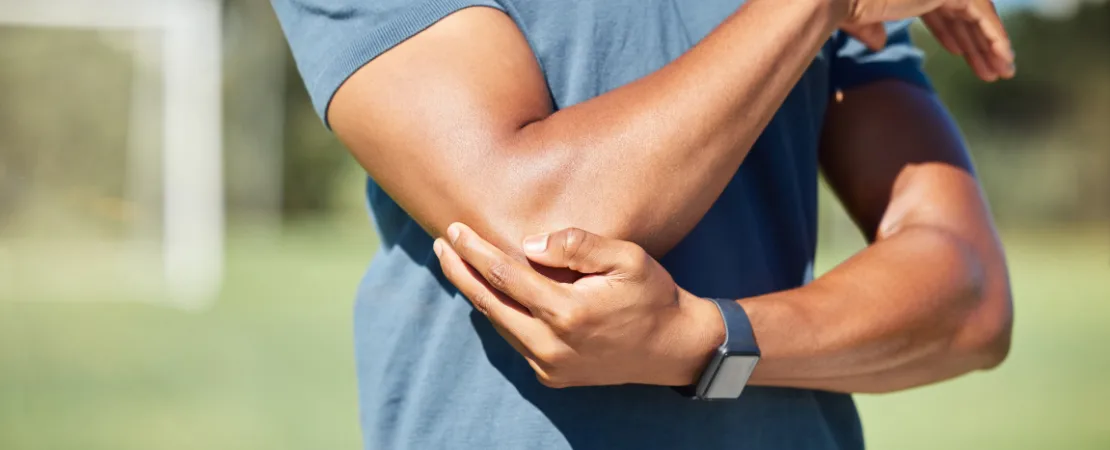
A radial collateral ligament (RCL) sprain is a common—and commonly overlooked—cause of pain on the outer side of the elbow. Simple daily tasks like lifting a grocery bag, pushing yourself up from a chair, or gripping a door handle can become surprisingly painful when this ligament is injured.
The RCL plays a critical role in stabilising the elbow joint, particularly during twisting and weight-bearing movements. Left untreated, even a mild sprain can progress to persistent discomfort, joint instability, or a recurring feeling that the elbow is “giving way.” Early, guided physiotherapy intervention makes a significant difference in outcomes.
Safety Note: This article is intended for general informational purposes only and does not constitute medical advice. If you are experiencing elbow pain, instability, or significant swelling following injury, please consult a licensed physiotherapist or physician before beginning any self-treatment.
What Causes an RCL Sprain?
The radial collateral ligament sits on the lateral (outer) aspect of the elbow, connecting the humerus to the radial head. It provides stability during forearm rotation, gripping, pushing, and lifting—movements we perform dozens of times every day.
An RCL sprain typically occurs through one of two mechanisms:
- Acute trauma: A fall onto an outstretched hand, a sudden high-force impact during sport, or a heavy lift that overstresses the elbow in an awkward position.
- Gradual overuse: Repeated pushing, weight-bearing, or rotational activities—common in athletes, manual labourers, and gym-goers—can progressively stress the ligament over time.
- Returning too soon after a previous elbow injury: Incomplete rehabilitation is one of the most preventable risk factors.
- Weakness in the shoulder, upper back, or forearm muscles—or poor movement technique—can shift excessive load onto the ligament and increase the risk of both acute and overuse injury.
Clinical Insight: Research consistently identifies proximal (shoulder and scapular) muscle weakness as a contributor to elbow ligament stress. A 2022 systematic review in the Journal of Shoulder and Elbow Surgery highlighted that altered shoulder kinematics significantly increase valgus and varus loading at the elbow during overhead and pushing tasks. This underscores why physiotherapy for RCL injuries must address the entire kinetic chain—not just the elbow itself.
Recognising the Symptoms
Symptoms vary depending on the severity of the sprain (Grade I–III), but the most common presentations include:
- Pain or tenderness along the outer side of the elbow, often reproduced with direct pressure
- Pain when pushing, lifting, or gripping objects—particularly with the forearm rotated
- Discomfort when fully straightening the arm
- A sense of weakness or instability in the elbow during functional tasks
- Pain during weight-bearing activities such as push-ups, burpees, or pushing up from a chair
- Progressive worsening of symptoms if the elbow continues to be loaded without appropriate management
In more severe sprains, swelling and bruising around the outer elbow may also be present. If you notice significant joint swelling, locking, or an inability to straighten your arm after an injury, a prompt clinical assessment is important to rule out associated fracture or joint dislocation.
How Physiotherapy Can Help
A well-structured physiotherapy programme does more than manage pain—it identifies and addresses the underlying reasons the ligament was injured in the first place, helping to prevent recurrence. At a leading physiotherapy clinic in Ottawa, your physiotherapist will conduct a thorough assessment of the elbow, shoulder, wrist, and movement patterns before designing your individualised treatment plan.
1. Pain Relief and Early Management
In the acute phase, the priority is reducing pain and protecting the healing ligament without causing stiffness through excessive rest. Your physiotherapist may recommend:
- Activity modification—identifying which movements stress the ligament and temporarily adjusting daily tasks accordingly
- Ice or heat application based on the stage of injury and individual symptom pattern
- Pain-relieving modalities such as TENS (transcutaneous electrical nerve stimulation), therapeutic ultrasound, low-level laser therapy (LLLT), or interferential current (IFC) to reduce discomfort and support tissue healing
2. Bracing: An Essential Early Tool
An elbow brace is frequently a key component of early RCL management. When fitted and used correctly, it:
- Offloads the ligament during daily activities and light work
- Reduces pain and instability during functional tasks, improving confidence in using the arm
- Helps prevent further injury during the critical early healing window
Your physiotherapist will guide you on the appropriate brace type, wearing schedule, and the gradual weaning process as your strength and stability improve. Bracing is a support tool—not a long-term solution—and is used in parallel with active rehabilitation.
3. Hands-On Treatment and Joint Mobilisation
Manual therapy is an evidence-informed component of elbow ligament rehabilitation. Your physiotherapist may use:
- Soft tissue techniques to address tightness and guarding in the forearm, upper arm, and surrounding muscles
- Gentle joint mobilisation to restore range of motion at the elbow and wrist, reducing stiffness without aggravating the ligament
- Mulligan mobilisation (MWM) technique: This evidence-supported approach applies a gentle, sustained lateral glide to the elbow joint while the patient actively moves the arm. Many patients notice immediate pain reduction and improved function following this technique. A 2019 randomised controlled trial published in the Journal of Orthopaedic & Sports Physical Therapy found MWM to be effective in reducing pain and improving function in lateral elbow conditions.
4. Progressive Strengthening
Once pain begins to settle and the ligament has had adequate time to begin healing, a structured, progressive strengthening programme is essential to achieving a full recovery. This typically includes:
- Forearm and grip strengthening: Improving the dynamic muscle support around the elbow to reduce ongoing ligament strain
- Elbow stability and control exercises: Targeting proprioception and neuromuscular control, which is often impaired following ligament injury
- Shoulder and upper-back strengthening: Addressing proximal weakness that may have contributed to the original injury
- Sport- or work-specific loading: Graduated return to the movements that matter most to you, with appropriate technique guidance
Clinical Evidence: A 2021 review in the British Journal of Sports Medicine emphasised that progressive tendon and ligament loading programmes, introduced at appropriate stages of healing, accelerate collagen remodelling and reduce re-injury risk compared to passive rest alone. Your physiotherapist will use clinical grading to determine when it is safe to progress each phase of your programme.
Do I Need to Rest Completely?
Not usually—and in fact, complete rest can slow your recovery. Ligaments respond best to controlled, progressive loading that is carefully matched to their stage of healing. Total immobilisation leads to muscle weakness, joint stiffness, and reduced circulation to the healing tissue.
Your physiotherapist will show you exactly which activities to continue, which to temporarily modify, and when it is safe to progress. The goal is to keep you as functional as possible throughout recovery—not to sideline you unnecessarily.
Will an RCL Sprain Get Better?
Yes. The majority of RCL sprains respond very well to conservative physiotherapy management. With the right approach—hands-on treatment, appropriate bracing, and a structured strengthening programme—most patients experience:
- A gradual but steady reduction in pain
- Restored elbow stability and confidence in movement
- Return to daily tasks, work activities, and sport without ongoing problems
Early treatment consistently leads to smoother, faster recovery and meaningfully reduces the risk of recurrent injury or chronic instability. If your symptoms have persisted for more than a few weeks without improvement, or if you have experienced multiple elbow injuries, a thorough physiotherapy assessment is particularly important.
Ready to Get Your Elbow Assessed?
If you’re experiencing pain, weakness, or instability on the outer side of your elbow, don’t wait for it to worsen. Whether your symptoms came on suddenly after an injury or have been building gradually over time, a physiotherapist can assess the ligament, identify contributing factors throughout the kinetic chain, and guide you safely back to pain-free movement.
If you are looking for physiotherapy in Ottawa, our team at Physiocare Physiotherapy is here to help. We combine clinical expertise, hands-on treatment, and evidence-informed rehabilitation to get you moving well again.
References
- Dines JS, et al. “Elbow Ulnar Collateral Ligament Reconstruction: Risk Factors and the Importance of the Kinetic Chain.” Journal of Shoulder and Elbow Surgery. 2022.
- Bisset L, Vicenzino B. “Physiotherapy management of lateral epicondylalgia using Mobilisation with Movement.” Journal of Orthopaedic & Sports Physical Therapy. 2019;49(11):804–813.
- Rio E, et al. “Tendon and ligament loading: progressive exercise as a cornerstone of injury rehabilitation.” British Journal of Sports Medicine. 2021;55(1):1–8.
FAQs:
Recovery time depends on sprain severity. Mild Grade I sprains often improve within three to six weeks with physiotherapy. More significant Grade II or III sprains may require eight to twelve weeks of structured rehabilitation. Starting treatment early generally leads to faster outcomes.
Yes, with guidance. Complete rest is rarely necessary or beneficial. Your physiotherapist will identify which exercises are safe at each stage of healing and which movements to temporarily modify or avoid. Staying active within appropriate limits supports ligament healing and prevents deconditioning.
Both cause outer elbow pain, but they involve different structures. Tennis elbow (lateral epicondylalgia) affects the tendons attaching to the outer elbow. An RCL sprain involves the ligament itself. Your physiotherapist can distinguish between them through specific clinical tests and tailor your treatment accordingly.
Not always. A skilled physiotherapist can diagnose most RCL sprains through clinical assessment. Imaging may be recommended if a fracture, significant ligament tear, or joint pathology is suspected, or when symptoms do not improve as expected with initial physiotherapy treatment.
An elbow brace is often recommended in the early stages of recovery to reduce ligament strain during daily activities. The type, fit, and wearing duration matter. Your physiotherapist will advise on the most appropriate brace and guide you on gradually reducing its use as strength improves.
Yes. Weakness in the shoulder, rotator cuff, and upper back muscles can alter how forces are distributed through the arm during lifting and pushing. This increases mechanical stress on the elbow ligaments. A comprehensive physiotherapy assessment always evaluates the full upper limb kinetic chain.
Dry needling and acupuncture can be useful adjuncts for managing muscle tightness and pain around the elbow during recovery. When provided by a certified physiotherapist, these techniques may complement manual therapy and exercise-based rehabilitation, particularly for persistent or guarded muscle tension.
See a physiotherapist if your outer elbow pain persists beyond a few days, worsens with activity, or is associated with feelings of instability or weakness. Early assessment prevents minor sprains from becoming chronic problems and allows a tailored rehabilitation plan to be started promptly.
Categories
About the Author

Harshitkumar Patel
Resident Physiotherapist | Certified in Acupuncture & Dry Needling | Physiocare Physiotherapy, Ottawa
View Full Bio
Ask Our Physiotherapist for More Information
Subscribe To Our Newsletter
Your health is our priority, and we’re committed to partnering with you to achieve your optimal wellness.