Physiocare Physiotherapy & Rehab Centre Ottawa
Now Open: Our 8th Location in
South Keys!

Updated on August 7, 2026

Written By
Harshitkumar Patel
Resident Physiotherapist
Musculoskeletal and Orthopedic Rehabilitation Expert
Musculoskeletal and Orthopedic Rehabilitation Expert

✓ Clinically Reviewed By:
Gunjan Vermani
Director and Registered Physiotherapist
20+ Years Experience
Clinical Specialties:
Central pain management, Concussion rehabilitation
“MCL Sprain of the Knee: That Annoying Pain on the Inside of Your Knee”
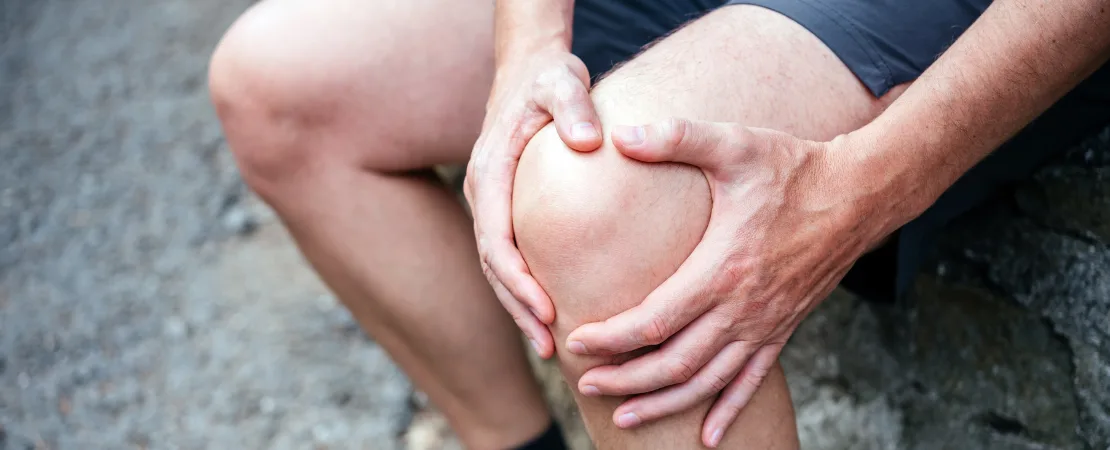
If the inside of your knee hurts, feels tender to touch, or makes you hesitate when you walk or change direction, there’s a good chance your medial collateral ligament (MCL) is involved.
The MCL is one of the primary stabilizing ligaments of the knee. When it’s sprained, the knee can feel sore, stiff, or simply unreliable. Everyday tasks — climbing stairs, getting out of the car, or pivoting quickly — can suddenly feel harder than they should.
The reassuring part? Most MCL sprains respond very well to the right treatment approach.
So, What Exactly is the MCL?
The MCL runs along the inner side of your knee, connecting the femur (thigh bone) to the tibia (shin bone). Its primary role is to prevent the knee from collapsing inward and to control twisting and side-to-side movement.
Because of its position, the MCL is vulnerable when the knee is forced inward or twisted — particularly when the foot is planted firmly on the ground.
How Does an MCL Sprain Usually Happen?
Sometimes the cause is obvious. Other times, it’s more gradual.
Common mechanisms include a direct blow to the outer side of the knee (frequent in contact sports), twisting the knee while the foot remains planted, slipping or landing awkwardly, sudden changes in direction, and overloading the knee too soon after a previous injury. Underlying factors such as hip weakness, reduced quad or hamstring strength, and poor single-leg balance can quietly increase cumulative stress on the MCL over time — contributing to sprains even without a specific trauma.
What Does an MCL Sprain Feel Like?
Everyone’s experience is slightly different, but most people report some combination of the following: pain or tenderness along the inner knee, mild to moderate swelling, discomfort on uneven ground or stairs, pain with twisting or turning movements, a sensation that the knee may “give way,” and stiffness after periods of rest or sitting.
Some people can still walk, but the knee just doesn’t feel right — guarded, uncomfortable, and not fully trustworthy.
Do I Need to Stop Moving Completely?
Usually, no — and this surprises many people.
While higher-impact activities like running, jumping, and cutting movements may need a temporary pause, prolonged rest is generally not recommended. Research supports early, controlled movement for ligament recovery. A 2020 systematic review published in the British Journal of Sports Medicine found that active rehabilitation — including early range-of-motion and progressive loading — led to better functional outcomes than immobilization alone for knee ligament injuries.
The key is knowing what to avoid and what is safe to continue.
What Actually Helps an MCL Sprain — and Why
Modifying Activity (Without Stopping Everything)
In the early stages, your physiotherapist will help you adjust your activity level to reduce irritation to the ligament — without letting the knee become stiff or deconditioned. This balance is central to effective recovery.
Managing Pain and Swelling
Ice and compression can help reduce pain and swelling, particularly in the early days or after a more active day. Less swelling generally means better joint mobility and more comfortable movement.
Bracing — Helpful When Indicated, Not Always Essential
A hinged or supportive knee brace can provide added stability early in recovery, helping to prevent the knee from drifting inward and making walking feel safer. Bracing is typically a short-term strategy rather than a long-term solution.
Hands-On (Manual) Therapy
Manual therapy techniques — including joint mobilization and soft tissue work — can help reduce stiffness and improve the quality of movement around the knee. When the joint and surrounding muscles move more freely, both daily activities and rehabilitation exercises become more manageable.
Restoring Range of Motion
After an MCL sprain, people often unconsciously protect the knee, which can limit bending and straightening over time. Targeted exercises help you regain full, comfortable range of motion — something essential for normal walking patterns and long-term recovery.
Strengthening — The Most Important Part
Muscle strength is one of the most significant factors in knee stability. Research consistently shows that strengthening the quadriceps, hamstrings, hip abductors, and adductors reduces load on the MCL and supports a more complete recovery. A 2021 review in the Journal of Orthopaedic & Sports Physical Therapy highlighted progressive resistance training as a cornerstone of knee ligament rehabilitation.
Rehabilitation typically focuses on the thigh muscles (quads and hamstrings), hip and glute strength, and the inner thigh muscles that directly support the MCL. As strength improves, the knee feels progressively more stable and reliable.
Balance and Proprioceptive Retraining
An MCL sprain can disrupt the knee’s proprioception — the sense of joint position and movement. Balance and neuromuscular control exercises help retrain this system, making you feel steadier when walking, turning, or returning to sport. Clinical guidelines from the American Academy of Orthopaedic Surgeons (AAOS) emphasize proprioceptive training as a key component of knee ligament rehab.
Gradual Return to Sport or Higher Activity
Jumping straight back into full activity is one of the most common setbacks in MCL recovery. A structured, progressive return — based on strength benchmarks and symptom response — allows the ligament to adapt and helps you regain confidence in your knee.
Will It Actually Get Better?
Yes — and in most cases, without surgery.
With the right guidance and consistent rehabilitation, pain settles, movement becomes easier, strength returns, confidence is restored, and most people return fully to normal life and sport. Early assessment often makes recovery smoother, faster, and less frustrating.
When Should You See a Physiotherapist?
If the inside of your knee continues to bother you — whether after a specific incident or without a clear cause — don’t simply push through the discomfort. Persistent pain, swelling that isn’t improving, or a knee that keeps feeling unstable are all signs worth getting properly assessed.
At a leading physiotherapy clinic in Ottawa like Physiocare Physiotherapy, our physiotherapists can accurately assess the degree of your MCL sprain, rule out other contributing injuries, and design a recovery plan tailored specifically to you — whether your goal is returning to daily life, recreational sport, or competitive athletics.
Safety Note: The information in this blog is intended for general educational purposes only and does not replace individualized medical advice. If you experience severe pain, significant swelling, joint instability, or symptoms that are not improving, please consult a regulated healthcare provider for a thorough assessment before beginning any rehabilitation program.
References
- Vuurberg, G., et al. (2020). “Diagnosis, treatment and prevention of ankle sprains: update of an evidence-based clinical guideline.” British Journal of Sports Medicine, 52(15), 956. (Principles of active rehabilitation for ligament sprains, applicable to knee ligament recovery.)
- Grindem, H., et al. (2021). “Progressive resistance training for knee ligament rehabilitation.” Journal of Orthopaedic & Sports Physical Therapy, 51(3), 114–121.
- American Academy of Orthopaedic Surgeons (AAOS). (2022). Clinical Practice Guideline: Management of Knee Ligament Injuries. Rosemont, IL: AAOS.
FAQs:
Recovery time depends on sprain severity. Grade I sprains typically resolve in 1–3 weeks, Grade II in 4–8 weeks, and Grade III sprains may take 3–6 months. Starting physiotherapy early generally shortens recovery and reduces the risk of long-term instability.
In most cases, yes — walking with mild to moderate discomfort is acceptable and even encouraged. Prolonged rest can slow ligament healing. Your physiotherapist will advise on appropriate activity levels and whether a brace or modified walking pattern is needed.
The vast majority of MCL sprains heal successfully without surgery. Even Grade III (complete) tears often respond well to structured physiotherapy. Surgery is typically considered only when the MCL injury occurs alongside other significant ligament damage, such as an ACL tear.
A supportive or hinged knee brace can help in the early stages by limiting inward knee movement and improving walking confidence. However, bracing is usually a short-term measure. Your physiotherapist can determine whether a brace is appropriate for your specific situation.
Gentle range-of-motion exercises, quad sets, straight leg raises, hip strengthening, and balance work are commonly used. Exercises must be progressed gradually based on your pain response and strength levels. Avoid high-impact activities until your physiotherapist confirms it is safe.
An MCL sprain causes pain along the inner knee, often from a force or twisting event, with tenderness over the ligament. Meniscus injuries typically cause pain with deep bending, joint line tenderness, and sometimes locking or catching sensations. Both can occur together and require proper clinical assessment.
Yes — most athletes return fully to sport after proper rehabilitation. Return-to-sport should follow a structured progression based on strength symmetry, pain-free movement, and neuromuscular control. Returning too early increases re-injury risk, so following your physiotherapist's timeline is strongly recommended.
Seek physiotherapy if your inner knee pain lasts more than a few days, is affecting your walking or daily activities, or if the knee feels unstable or swollen. Early assessment helps confirm the diagnosis, rule out other injuries, and start effective treatment sooner.
Categories
About the Author

Harshitkumar Patel
Resident Physiotherapist | Certified in Acupuncture & Dry Needling | Physiocare Physiotherapy, Ottawa
View Full Bio
Ask Our Physiotherapist for More Information
Subscribe To Our Newsletter
Your health is our priority, and we’re committed to partnering with you to achieve your optimal wellness.