Physiocare Physiotherapy & Rehab Centre Ottawa
Now Open: Our 8th Location in
South Keys!
Updated on August 5, 2026

Written By
Prateeksha Viradiya
Resident Physiotherapist
Specializes in Aquatic Rehab and is a Certified Aquafit Instructor.
Specializes in Aquatic Rehab and is a Certified Aquafit Instructor.

✓ Clinically Reviewed By:
Gunjan Vermani
Director and Registered Physiotherapist
20+ Years Experience
Clinical Specialties:
Central pain management, Concussion rehabilitation
Axillary web Syndrome and role of Physiotherapy
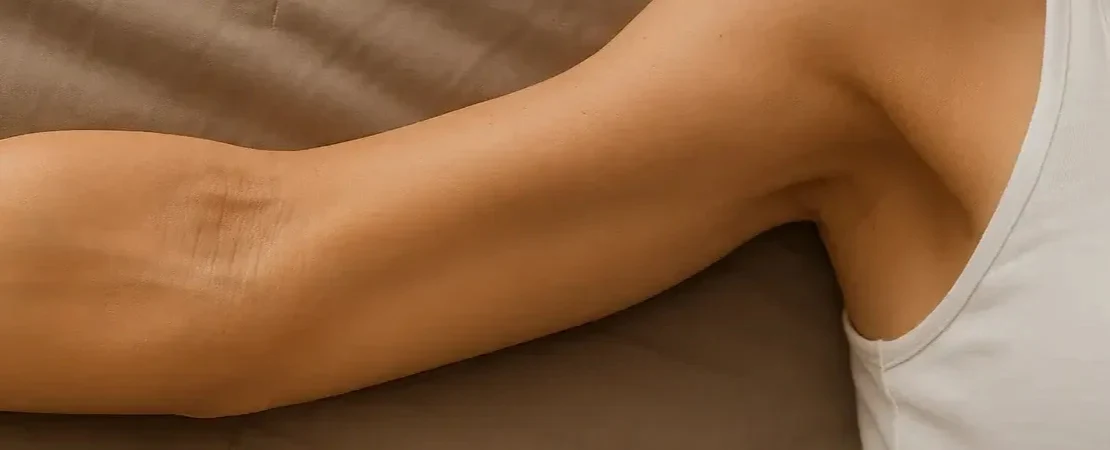
Axillary Web Syndrome (AWS), also known as cording, is a condition that can occur after surgery involving the lymph nodes, particularly in the armpit (axillary) area. It’s most commonly seen in people who have had breast cancer surgery, such as a sentinel lymph node biopsy or axillary lymph node dissection.It is visible and palpable web of tissues which becomes more evident with shoulder movements. It is painful and limit shoulder, elbow, wrist ,and trunk range of motion.
What Happens in AWS?
People with AWS often notice:
- Tight, cord-like structures under the skin of the armpit
- These “cords” can extend down the arm, sometimes reaching the wrist or hand
- Pain, tightness, or limited range of motion in the shoulder and arm
These cords are believed to be inflamed or scarred lymphatic vessels and fibrous tissue following lymph node removal.
Why It Happens
Surgery or trauma or even biopsy to the lymphatic system can trigger inflammation or fibrosis in lymph vessels. Since the lymphatic system helps manage fluid drainage and immune function, disruption can lead to:
- Lymphatic vessel thickening
- Formation of fibrotic tissue
- Tension along the skin and underlying tissues
Who’s at Risk?
- Most commonly women recovering from breast cancer surgery
- Especially those who’ve had lymph nodes removed
- It can happen days to weeks, or even months after surgery
Symptoms
- Painful cord-like bands in the armpit or along the inner arm
- Decreased range of motion in the shoulder
- Tightness when lifting the arm- feeling a band in the armpit
- Discomfort with stretching or lifting
- Tension in the lateral chest wall and trunk
Management & Treatment
Fortunately, Axillary Web Syndrome is treatable, and most individuals recover fully with the right care and attention. One of the most effective options is physiotherapy in Ottawa, especially when guided by experienced therapists who understand post-surgical care.
Physical Therapy
- Stretching and range-of-motion exercises
- Manual lymphatic drainage (MLD) by a trained therapist
- Manual therapy : Skin traction,joint mobilization, nerve glides ,cord bending and scar tissue mobilization
- Strengthening exercises
- Postural education and exercises
Pain Management
- Gentle NSAIDs as prescribed
- Warm compresses and or icing
- Laser therapy
- TENS, IFC
Patience and Gradual Progression
- Most cases resolve in weeks to a few months
- Continued stretching and movement are key
When to Seek Help
Contact a doctor or physical therapist if you:
- Notice cord-like bands and limited motion
- Feel increased pain or swelling in the arm
- Are recovering from lymph node surgery and unsure if your symptoms are normal
Recovery Time
- Varies from a few weeks to several months
- With physiotherapy, most patients experience significant improvement
- Some cords may persist but become painless and non-limiting
What to avoid
- Aggressive stretching that causes sharp pain
- Ignoring limited range of motion, which could lead to frozen shoulder
Axillary Web Syndrome can be painful, but with timely intervention and proper care, recovery is very achievable. If you’re experiencing symptoms, don’t wait. Physiocare Physiotherapy Clinic in Ottawa offers expert support to help you regain movement and return to daily activities comfortably.
FAQs:
Axillary Web Syndrome is a post-surgical condition where tight, cord-like bands form under the skin, typically in the armpit and arm, causing pain and restricted shoulder movement.
AWS usually occurs after lymph node removal or biopsy, where lymphatic vessels become inflamed or scarred, leading to fibrous cords and tension in surrounding tissues.
Symptoms include visible or palpable cords, pain, tightness, limited shoulder mobility, and discomfort when lifting the arm or stretching the chest and upper limb.
Diagnosis is mainly clinical, based on physical examination, visible cord-like structures, movement restrictions, and patient history following breast or lymph node surgery.
Physiotherapy is highly effective, using stretching, manual therapy, and lymphatic techniques to reduce pain, restore mobility, and improve overall arm and shoulder function.
Treatment is gentle and progressive. Some mild discomfort may occur during stretching or manual therapy, but techniques are carefully applied to avoid worsening symptoms.
Incomplete or non-specific treatment may limit results. A specialized approach including lymphatic drainage, scar mobilization, and guided exercises can significantly improve recovery outcomes.
No referral is typically required. You can directly consult a physiotherapist to begin early treatment and prevent further stiffness or complications.
Most individuals recover within a few weeks to a few months. Consistent physiotherapy and regular movement help accelerate healing and restore normal function.
Seek physiotherapy if you notice cords, pain, or restricted movement after surgery, as early intervention helps prevent long-term stiffness and improves recovery outcomes.
Categories
About the Author

Prateeksha Viradiya
Certified in Pelvic Floor, Acupuncture, Certified ROST Therapist | RAPID Treatment Specialist at Physiocare Physiotherapy and Rehab Centre
View Full Bio
Ask Our Physiotherapist for More Information
Subscribe To Our Newsletter
Your health is our priority, and we’re committed to partnering with you to achieve your optimal wellness.