Understanding Spinal Malalignment and Subluxation
What Is Spinal Malalignment and Subluxation?
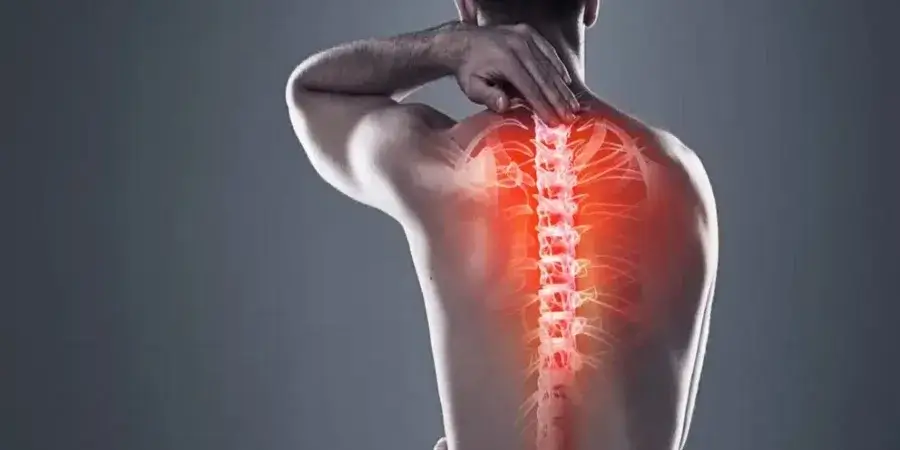
Spinal malalignment refers to the improper positioning of vertebrae within the spinal column. When vertebrae shift slightly out of their normal alignment, this is called subluxation. These misalignments disrupt the spine’s natural curves and biomechanics.
Unlike complete dislocations, subluxations involve partial displacement that maintains some joint contact. However, even minor shifts can significantly impact spinal function, nerve communication, and overall musculoskeletal health. Proper alignment is essential for optimal movement, stability, and pain-free living.
The Spine and Its Biomechanics
Your spine consists of 33 vertebrae stacked in a column, separated by intervertebral discs that cushion and allow movement. The spine naturally curves in an S-shape:
- Cervical spine (neck): Contains seven vertebrae with a gentle forward curve
- Thoracic spine (mid-back): Twelve vertebrae curving slightly backward, connecting to ribs
- Lumbar spine (lower back): Five large vertebrae with a forward curve, bearing most body weight
- Sacrum and coccyx: Fused vertebrae at the spine’s base
Facet joints connect each vertebra, allowing controlled movement while limiting excessive motion. Ligaments and muscles provide stability and support. When alignment shifts, this intricate system becomes stressed, leading to pain, dysfunction, and compensatory patterns throughout the body.
What Causes Spinal Malalignment?
Several factors can lead to vertebral misalignment and subluxation:
- Poor posture: Prolonged sitting, slouching, or forward head position creates sustained stress on spinal structures
- Acute trauma: Motor vehicle accidents, falls, or sports injuries can forcefully shift vertebrae
- Repetitive strain: Repeated lifting, twisting, or one-sided activities gradually alter spinal positioning
- Muscle imbalances: Weakness or tightness in core and postural muscles fails to maintain proper alignment
- Degenerative changes: Arthritis, disc degeneration, or age-related wear can compromise spinal stability
Pregnancy, obesity, improper lifting techniques, and prolonged standing or sitting also contribute to alignment issues. Sometimes multiple factors combine, creating complex patterns that require comprehensive assessment and treatment.
Who Is at Higher Risk?
Certain individuals face increased likelihood of developing spinal malalignment:
- Sedentary workers: Those spending hours at desks or computers often develop postural dysfunction
- Manual labourers: Jobs involving heavy lifting, bending, or awkward positions stress the spine
- Athletes: High-impact sports and repetitive training patterns can create alignment issues
- Previous injury history: Past spinal trauma increases vulnerability to recurrent subluxation
- Age-related changes: Older adults experience natural disc degeneration and reduced muscle support
Individuals with scoliosis, leg length discrepancies, or poor core strength also face elevated risk. Recognizing these factors allows for proactive prevention and early intervention when symptoms first appear.
Recognizing the Symptoms
Spinal malalignment produces varied symptoms depending on location and severity:
- Localized pain: Dull, aching discomfort or sharp pain at the misalignment site
- Restricted movement: Difficulty bending, twisting, or turning in certain directions
- Muscle tension: Tightness and spasms as muscles compensate for instability
- Radiating pain: Nerve irritation causing pain, numbness, or tingling into arms or legs
- Postural changes: Visible asymmetry, head tilt, or altered standing position
Headaches, fatigue, and reduced athletic performance may also occur. Symptoms often worsen with specific movements or prolonged positions. Some people experience intermittent discomfort, while others have constant pain affecting daily activities and quality of life.
Complications If Left Untreated
- Chronic pain syndromes develop as compensatory patterns become entrenched
- Degenerative disc disease accelerates due to uneven pressure distribution
- Nerve compression causes persistent numbness, weakness, or radiating pain
- Reduced mobility and functional limitations impact work and recreational activities
- Ignoring spinal malalignment leads to progressive deterioration:
- Postural deformities become fixed, requiring more intensive intervention
Treatment at Physiocare for Spinal Malalignment and Subluxation
Comprehensive Treatment Approaches
At Physiocare, we combine advanced manual techniques with cutting-edge therapeutic modalities to restore proper spinal alignment and function.
Spinal Manipulation
- Applies controlled, precise force to misaligned vertebrae to restore proper joint positioning
- Reduces pain by releasing trapped nerves and improving joint mechanics
- Decreases muscle guarding and spasm around affected segments
- Enhances overall spinal mobility and biomechanical efficiency
- Delivered by certified practitioners trained in advanced spinal manipulation techniques
Myofascial Release
- Targets tight connective tissue surrounding misaligned vertebrae and supporting muscles
- Releases fascial restrictions that perpetuate abnormal spinal positioning
- Improves tissue flexibility and blood flow to affected areas
- Reduces compensatory tension patterns throughout the kinetic chain
- Prepares tissues for alignment correction and stabilization exercises
Chinese Cupping
- Creates suction to decompress spinal tissues and improve local circulation
- Releases myofascial adhesions contributing to alignment dysfunction
- Reduces inflammation and pain around subluxated segments
- Enhances tissue healing and recovery between treatment sessions
- Learn more about Chinese cupping benefits for spinal conditions
Dynamic Neuromuscular Stabilization (DNS)
- Retrains optimal movement patterns based on developmental kinesiology principles
- Activates deep stabilizing muscles essential for maintaining spinal alignment
- Corrects compensatory movement strategies that perpetuate malalignment
- Builds functional core stability to prevent recurrence
- Integrates proper breathing mechanics with spinal stabilization
Red Cord Therapy (Neurac)
- Utilizes suspension systems to challenge and retrain neuromuscular control
- Identifies and corrects weak links in the stabilization chain
- Promotes pain-free movement patterns through controlled loading
- Enhances proprioception and body awareness for long-term alignment maintenance
- Discover Neurac therapy for spinal rehabilitation
Laser Therapy
- Delivers photobiomodulation to accelerate tissue healing at the cellular level
- Reduces inflammation and pain around misaligned segments
- Enhances circulation to support tissue repair and recovery
- Non-invasive treatment complementing manual alignment techniques
- Explore laser therapy options for spinal conditions
TENS (Transcutaneous Electrical Nerve Stimulation)
- Provides pain relief through gentle electrical stimulation of sensory nerves
- Interrupts pain signals traveling to the brain
- Reduces muscle spasm and tension around affected vertebrae
- Allows patients to participate more fully in active rehabilitation
IFC (Interferential Current)
- Uses deeper-penetrating electrical currents to manage pain and inflammation
- Stimulates muscle contractions to reduce atrophy and improve circulation
- Promotes tissue healing and reduces swelling around spinal structures
- Complements manual therapy for comprehensive pain management
Deep Oscillation Therapy (DOT)
- Applies gentle electrostatic pulses to reduce deep tissue inflammation
- Accelerates healing of injured ligaments and muscles supporting the spine
- Decreases pain and swelling without discomfort
- Enhances recovery between treatment sessions
- Learn about deep oscillation therapy benefits
Radio Frequency (StimPod)
- Delivers targeted electromagnetic stimulation to improve neuromuscular function
- Reactivates inhibited muscles essential for spinal stabilization
- Enhances motor control and coordination around affected segments
- Supports functional rehabilitation and movement retraining
- Explore radio frequency therapy applications
EMTT (Extracorporeal Magnetotransduction Therapy – Storz)
- Uses electromagnetic fields to stimulate cellular regeneration and healing
- Reduces chronic pain and inflammation in spinal tissues
- Enhances bone and cartilage health around affected vertebrae
- Non-invasive treatment for stubborn alignment issues
- Discover EMTT therapy for spinal conditions
How Physiotherapy Restores Spinal Health
Our evidence-based approach addresses both immediate symptoms and underlying causes. Manual therapies restore proper joint positioning while reducing pain and muscle tension. Therapeutic modalities accelerate tissue healing and control inflammation.
Targeted exercises rebuild core strength and neuromuscular control essential for maintaining alignment. We identify and correct movement patterns that contribute to recurrent subluxation. Patient education empowers you to protect your spine during daily activities and prevent future episodes.
Your Path to Recovery
Assessment: Comprehensive evaluation including postural analysis, movement screening, and palpation to identify specific malalignments and contributing factors.
Personalized Plan: Customized treatment protocol combining appropriate manual techniques, therapeutic modalities, and corrective exercises tailored to your condition severity and goals.
Evidence-Based Treatment: Progressive interventions delivered by experienced clinicians, with regular reassessment to ensure optimal outcomes and adjust approaches as needed.
Recovery & Prevention: Gradual return to full activity with ongoing education, home exercise programming, and ergonomic guidance to maintain alignment and prevent recurrence.
Location-Specific Treatment Options
Why Choose Physiocare for Spinal Malalignment?
Our clinicians hold advanced certifications in spinal manipulation, neuromuscular stabilization, and movement rehabilitation. We offer specialized therapies like Neurac suspension training and EMTT that few clinics provide, giving you access to cutting-edge treatment options.
Every patient receives individualized care focused on your specific alignment issues and recovery goals. As a leading physiotherapy in Ottawa, we serve six convenient locations across the region, making expert spinal care accessible when and where you need it.
Frequently Asked Questions
Our Professional Team at Physiocare
Healing Hands, Happy Hearts: What Our Patients Say