Understanding Sciatica
What Is Sciatica?
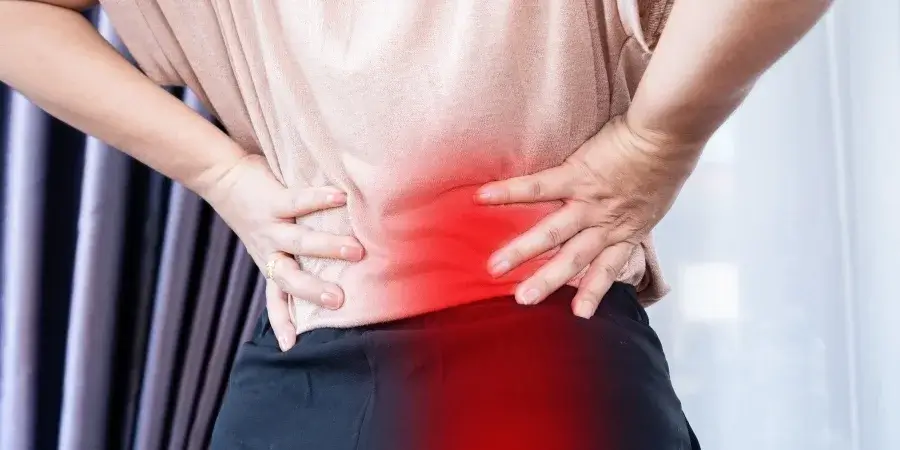
Sciatica refers to pain that radiates along the path of the sciatic nerve, which branches from your lower back through your hips and buttocks and down each leg. Typically, sciatica affects only one side of your body. The pain can range from mild discomfort to severe, debilitating sensations that make daily activities challenging.
This condition isn’t a diagnosis itself but rather a symptom of an underlying problem affecting the sciatic nerve. Most people experience sciatica when nerve compression occurs in the lumbar spine, creating that characteristic shooting pain down the leg.
The Anatomy Behind Your Pain
Understanding the structures involved helps explain why sciatica feels the way it does:
The Sciatic Nerve: Your body’s longest and widest nerve, extending from your lower back through your buttocks and down both legs. When compressed or irritated, it sends pain signals along its entire pathway.
Lumbar Spine: The five vertebrae in your lower back (L1-L5) house nerve roots that form the sciatic nerve. Disc problems or bone spurs here commonly trigger sciatica symptoms.
Intervertebral Discs: These cushioning structures between vertebrae can bulge or herniate, pressing directly on nerve roots. This is one of the most frequent causes of sciatic nerve irritation.
Piriformis Muscle: Located deep in your buttock, this muscle can sometimes compress the sciatic nerve as it passes underneath, causing similar radiating pain patterns.
What Causes Sciatica?
Several factors can lead to sciatic nerve compression:
Herniated or Bulging Discs: When the soft center of a spinal disc pushes through its outer ring, it can press on nearby nerve roots. This is the leading cause of sciatica in adults under 50.
Spinal Stenosis: Age-related narrowing of the spinal canal puts pressure on nerves. This condition becomes more common after age 60 and develops gradually over time.
Degenerative Disc Disease: As discs naturally wear down with age, they lose height and flexibility. This can allow vertebrae to shift slightly, pinching nerve roots.
Spondylolisthesis: One vertebra slips forward over another, potentially narrowing the opening where nerves exit the spine. This structural shift creates ongoing nerve compression.
Piriformis Syndrome: The piriformis muscle in your buttock can spasm or tighten, compressing the sciatic nerve that runs beneath or through it.
Risk Factors That Increase Your Vulnerability
Certain factors make sciatica more likely to develop:
Age-Related Changes: People between 30 and 50 are at highest risk. Natural disc degeneration and bone changes accumulate during these decades, increasing nerve compression likelihood.
Occupational Demands: Jobs requiring heavy lifting, prolonged sitting, or frequent twisting put extra stress on your spine. Truck drivers, office workers, and manual laborers face elevated risk.
Prolonged Sitting: Extended periods of inactivity weaken core muscles and increase pressure on spinal structures. Modern sedentary lifestyles contribute significantly to sciatica prevalence.
Excess Body Weight: Additional weight increases stress on your spine, accelerating disc degeneration. Even modest weight gain can trigger symptoms in susceptible individuals.
Diabetes: This condition affects nerve health throughout your body, including the sciatic nerve. Diabetics experience higher rates of nerve-related pain conditions.
Recognizing Sciatica Symptoms
Sciatica presents with distinctive characteristics:
Sharp, Shooting Pain: The hallmark symptom travels from your lower back through your buttock and down your leg. Pain intensity varies but often worsens with movement, coughing, or sneezing.
Numbness and Tingling: You might experience pins-and-needles sensations or complete numbness in your leg or foot. These feelings indicate nerve signal disruption.
Muscle Weakness: The affected leg may feel weak, making it difficult to stand on tiptoes or lift your foot. This weakness reflects nerve function impairment.
One-Sided Pain: Sciatica typically affects only one leg, though occasionally both sides can be involved. The pain follows the specific nerve root that’s compressed.
Pain That Worsens When Sitting: Pressure increases on your spine when seated, intensifying nerve compression. Many patients find standing or walking more comfortable than sitting.
Complications If Untreated
- Chronic pain syndrome: Persistent nerve pain becomes harder to treat over time and may require more aggressive interventions
- Permanent nerve damage: Prolonged compression can cause irreversible nerve injury, leading to lasting weakness or numbness
- Loss of bladder or bowel control: Severe nerve compression (cauda equina syndrome) requires immediate emergency treatment
- Severe weakness: Progressive muscle atrophy in the affected leg can result in permanent disability
Treatment at Physiocare for Sciatica
At Physiocare, we offer comprehensive, evidence-based treatments tailored to address the root cause of your sciatica pain. Our approach combines advanced therapeutic technologies with hands-on techniques to reduce nerve compression, alleviate pain, and restore your quality of life.
Treatments Available Across Our Clinics
Mechanical Traction
- Gently stretches your spine using controlled mechanical force, creating space between vertebrae
- Reduces pressure on compressed nerve roots by increasing intervertebral disc space
- Improves nutrient flow to damaged discs, promoting natural healing processes
- Provides sustained, consistent decompression that manual techniques cannot achieve alone
Manual Traction
- Your physiotherapist applies hands-on stretching to specific spinal segments
- Allows for precise, targeted relief tailored to your exact pain location
- Combines well with other manual therapy techniques for comprehensive treatment
- Offers immediate feedback and adjustment based on your comfort level
Maitland Mobilizations
- Gentle, graded movements restore normal joint mechanics in your spine
- Reduces stiffness and improves mobility without forcing joints beyond their natural range
- Decreases pain signals by stimulating mechanoreceptors that override pain pathways
- Progresses gradually as your condition improves, ensuring safe recovery
Mulligan Mobilizations
- Combines joint mobilization with active movement to correct positional faults
- Particularly effective for restoring pain-free movement patterns
- Produces immediate pain relief in many cases during the treatment session
- Retrains your nervous system to maintain proper spinal alignment
TENS (Transcutaneous Electrical Nerve Stimulation)
- Delivers mild electrical pulses that block pain signals from reaching your brain
- Stimulates endorphin release, your body’s natural pain-relieving chemicals
- Provides drug-free pain management with no side effects
- Can be used at home between physiotherapy sessions for ongoing relief
IFC (Interferential Current Therapy)
- Uses intersecting electrical frequencies to penetrate deeper into tissues than TENS
- Reduces inflammation around compressed nerve roots and surrounding soft tissues
- Improves local blood circulation, accelerating healing and waste removal
- Particularly effective for deep-seated pain that other modalities cannot reach
Laser Therapy
- Applies concentrated light energy to reduce inflammation and promote tissue healing
- Accelerates cellular repair at the molecular level through photobiomodulation
- Decreases pain and swelling without heat or discomfort during treatment
- Speeds recovery time significantly compared to rest alone
- Learn more about our advanced laser therapy options
DNS (Dynamic Neuromuscular Stabilization)
- Retrains your core stabilization patterns based on developmental movement principles
- Addresses faulty movement patterns that contribute to ongoing nerve compression
- Strengthens deep spinal stabilizers that protect against future injury
- Improves overall functional movement quality beyond just pain relief
Radio Frequency (StimPod)
- Delivers targeted electromagnetic stimulation directly to affected nerve and muscle tissues
- Reduces muscle spasms that contribute to nerve compression and pain
- Enhances neuromuscular function by improving nerve signal transmission
- Provides pain relief while simultaneously addressing underlying dysfunction
- Discover how radio frequency therapy accelerates recovery
EMTT (Extracorporeal Magnetotransduction Therapy – Storz)
- Uses high-energy magnetic fields to stimulate cellular metabolism and regeneration
- Reduces inflammation and promotes tissue healing at a cellular level
- Particularly effective for chronic sciatica that hasn’t responded to other treatments
- Non-invasive with no discomfort during treatment sessions
- Explore our EMTT therapy for advanced pain management
How Physiotherapy Resolves Sciatica
Addresses Root Causes: Rather than masking symptoms, physiotherapy identifies and treats the underlying mechanical problems causing nerve compression. This approach prevents recurring episodes and promotes lasting recovery.
Restores Normal Movement: Through targeted exercises and mobilizations, we help your spine return to healthy movement patterns. Improved mobility reduces ongoing irritation to the sciatic nerve.
Strengthens Protective Muscles: Core and spinal stabilizers act as your spine’s natural support system. Strengthening these muscles prevents future injury and reduces pressure on vulnerable structures.
Reduces Inflammation: Multiple treatment modalities work together to decrease swelling around compressed nerves. Less inflammation means faster healing and quicker pain relief.
Educates and Empowers: Understanding your condition helps you make better daily choices. We teach you posture corrections, ergonomic adjustments, and self-management strategies for long-term success.
Our Step-by-Step Treatment Approach
Assessment: Your physiotherapist conducts a comprehensive evaluation including movement analysis, neurological testing, and discussion of your symptoms to identify the exact cause of your sciatica.
Personalized Plan: Based on assessment findings, we create a treatment plan tailored to your specific condition, lifestyle, and recovery goals.
Evidence-Based Treatment: Your sessions combine the most effective modalities for your condition, with regular progress monitoring and plan adjustments as needed.
Recovery & Prevention: As pain decreases, we transition to strengthening and prevention strategies that keep you active and pain-free long-term.
Sciatica Treatment by Location
Why Choose Physiocare for Sciatica?
Physiocare stands apart through our commitment to advanced, evidence-based care delivered with genuine compassion. Our physiotherapists hold specialized certifications in spinal rehabilitation and utilize cutting-edge technologies like EMTT and Radio Frequency therapy that many clinics don’t offer.
We understand that sciatica disrupts every aspect of your life. That’s why we take time to listen, thoroughly assess your unique situation, and create treatment plans that fit your schedule and goals. As a leading physiotherapy in Ottawa, we’ve helped thousands of patients return to pain-free living through our patient-centered approach and convenient multi-location access across the city.
Frequently Asked Questions About Sciatica
Our Professional Team at Physiocare
Healing Hands, Happy Hearts: What Our Patients Say
Citations and References
- Mayo Clinic. (2024). Sciatica – Symptoms and causes. Retrieved from https://www.mayoclinic.org/diseases-conditions/sciatica/symptoms-causes/syc-20377435
- Koes, B. W., van Tulder, M. W., & Peul, W. C. (2007). Diagnosis and treatment of sciatica. BMJ, 334(7607), 1313-1317. https://doi.org/10.1136/bmj.39223.428495.BE
- Physiopedia. (2024). Sciatica. Retrieved from https://www.physio-pedia.com/Sciatica
- Canadian Chiropractic Association. (2023). Clinical Practice Guideline: Low Back Pain and Sciatica. Retrieved from https://chiropractic.ca/
- Jensen, R. K., Kongsted, A., Kjaer, P., & Koes, B. (2019). Diagnosis and treatment of sciatica. British Medical Journal, 367, l6273. https://doi.org/10.1136/bmj.l6273