Understanding Phantom Limb Pain
What Is Phantom Limb Pain?
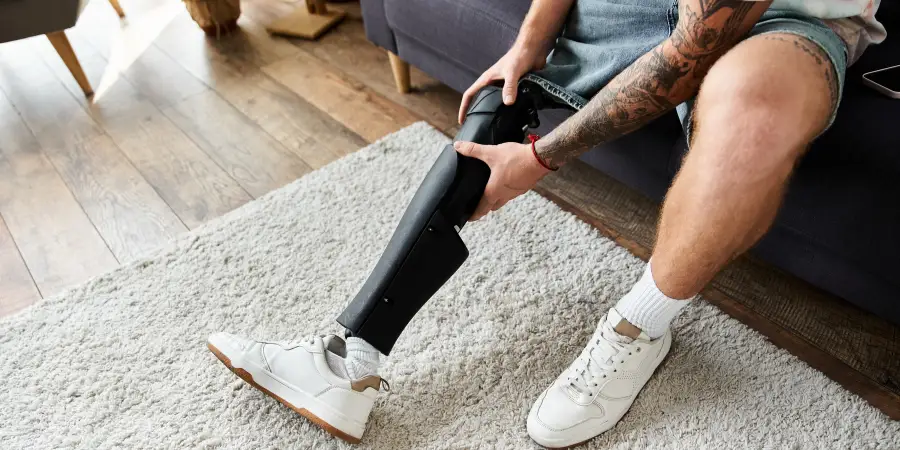
Phantom limb pain is a condition where individuals experience sensations, including pain, in a limb that has been amputated. These sensations feel very real and can range from tingling or itching to severe, debilitating pain.
The pain originates from complex changes in the brain and nervous system following amputation. Your brain continues to receive signals from nerves that originally carried information from the missing limb, creating the perception of pain where the limb once was.
This is not imaginary or psychological—it’s a genuine neurological phenomenon that requires specialized treatment and compassionate care.
Relevant Anatomy
Nervous System Involvement:
- Peripheral nerves at the amputation site send mixed signals to the spinal cord and brain
- The somatosensory cortex (brain region mapping body parts) undergoes reorganization after limb loss
- Nerve endings at the residual limb can form neuromas (tangled nerve bundles) that generate pain signals
Brain Plasticity:
- The brain creates a “body map” that doesn’t immediately adjust to limb loss
- Adjacent brain regions may invade the space previously dedicated to the missing limb
- This reorganization can cause misinterpreted signals perceived as pain, pressure, or movement in the phantom limb
Causes and Mechanisms
Primary Mechanisms:
- Nerve damage during amputation triggers abnormal firing patterns in remaining nerve fibers
- The brain’s attempt to “fill in” missing sensory information creates phantom sensations
- Pre-amputation pain memories can become encoded in the nervous system, continuing after surgery
Contributing Factors:
- Residual limb pain or poor healing at the amputation site
- Inadequate pain management immediately following amputation surgery
- Psychological stress and emotional adjustment challenges can amplify pain perception
- Issues with prosthetic fit causing pressure or irritation
Risk Factors
Higher Risk Groups:
- Individuals who experienced significant pain in the limb before amputation
- Those with traumatic amputations rather than planned surgical procedures
- People with poor pain control in the immediate post-operative period
Additional Factors:
- Nerve damage or neuroma formation at the amputation site
- Concurrent chronic pain conditions or central sensitization
- Psychological factors including depression, anxiety, or post-traumatic stress
- Length of time with pre-amputation pain increases risk
Common Symptoms
Pain Characteristics:
- Burning, shooting, stabbing, or electric shock-like sensations in the missing limb
- Cramping, squeezing, or throbbing pain that may be constant or intermittent
- Sensations of the phantom limb being in an uncomfortable or painful position
Associated Sensations:
- Tingling, itching, or pins-and-needles feelings
- Perception of temperature changes (hot or cold) in the phantom limb
- Feeling that the missing limb is moving or gesturing
- Telescoping sensation where the phantom limb feels shorter over time
Complications If Untreated
- Chronic, severe pain significantly impacts quality of life and daily functioning
- Sleep disturbances leading to fatigue and reduced overall wellbeing
- Depression, anxiety, and social withdrawal due to persistent discomfort
- Difficulty with prosthetic training and reduced mobility independence
- Development of central sensitization making pain harder to manage
-
Treatment at Physiocare for Phantom Limb Pain
Treatments Offered Across Our Clinics
TENS (Transcutaneous Electrical Nerve Stimulation):
- Delivers gentle electrical impulses through the skin to interrupt pain signals
- Stimulates the body’s natural pain-relieving mechanisms and endorphin release
- Non-invasive option that provides immediate relief during and after sessions
- Can be used alongside prosthetic training for comfort
IFC (Interferential Current Therapy):
- Uses medium-frequency electrical currents that penetrate deeper than TENS
- Reduces inflammation and swelling in the residual limb
- Blocks pain transmission while promoting tissue healing and circulation
- Particularly effective for addressing both phantom and residual limb pain
Accu Stim (Microcurrent Therapy):
- Applies extremely low-level electrical currents that mimic the body’s natural bioelectricity
- Promotes cellular healing and nerve regeneration at the amputation site
- Helps calm overactive nerve pathways contributing to phantom sensations
- Gentle enough for sensitive post-surgical tissue
Dolphin Neurostim (Microcurrent Therapy):
- Targets specific trigger points and nerve pathways with precision microcurrent
- Releases tension in muscles and fascia surrounding the residual limb
- Addresses referred pain patterns that can amplify phantom limb pain
- Combines principles of acupuncture and neurostimulation
Ondamed (PEMF Biofeedback):
- Uses pulsed electromagnetic field therapy tailored to your body’s specific responses
- Biofeedback component identifies areas of nervous system dysfunction
- Helps retrain the brain’s body map and reduce maladaptive neural patterns
- Non-invasive approach supporting overall nervous system regulation
Myofascial Release:
- Manual therapy technique releasing tension in connective tissue around the residual limb
- Addresses compensatory movement patterns in the rest of the body
- Improves circulation and reduces protective muscle guarding
- Creates physical comfort that helps calm the nervous system
Craniosacral Therapy:
- Gentle hands-on technique working with the central nervous system
- Releases restrictions in the craniosacral system that may affect pain perception
- Promotes deep relaxation and nervous system regulation
- Particularly helpful for stress-related pain amplification
NIS (Neuro Integration System):
- Identifies and corrects communication breakdowns in the nervous system
- Addresses the neurological component of phantom limb pain at its source
- Works to restore proper signaling between brain, spinal cord, and peripheral nerves
- Holistic approach treating the person, not just the symptoms
How Physiotherapy Helps Manage Phantom Limb Pain
Physiotherapy offers a comprehensive, evidence-based approach that addresses both the neurological and physical aspects of phantom limb pain. Our therapists use advanced modalities to interrupt pain pathways and retrain your nervous system’s response to the amputation.
Manual techniques and electrotherapy work together to reduce inflammation, release muscle tension, and promote healing in the residual limb. This combined approach helps diminish both phantom sensations and any residual limb discomfort that may be contributing to your pain.
Neurological rehabilitation strategies help your brain adapt to the body’s new configuration, gradually reducing the intensity and frequency of phantom limb episodes. Through consistent treatment, many patients experience significant pain reduction and improved quality of life.
Our Step-by-Step Approach
Assessment:
Comprehensive evaluation of your pain patterns, residual limb condition, prosthetic fit, movement compensations, and nervous system responses. We listen to your experience and create a complete picture of your unique situation.
Personalized Plan:
Development of a tailored treatment strategy combining the most effective modalities for your specific presentation. Your plan addresses pain relief, nervous system retraining, functional goals, and emotional wellbeing.
Evidence-Based Treatment:
Implementation of proven techniques including Dolphin Neurostim microcurrent therapy, PEMF biofeedback, TENS, manual therapy, and specialized desensitization exercises delivered by experienced clinicians.
Recovery & Prevention:
Ongoing progress monitoring with treatment adjustments, home exercise programs, education on pain management strategies, and coordination with your prosthetic team for optimal long-term outcomes.
Location-Specific Treatment Options
Why Choose Physiocare for Phantom Limb Pain?
Our team includes advanced-certified therapists trained in specialized neurological rehabilitation and cutting-edge electrotherapy techniques specifically for amputee care. We combine evidence-based treatments with compassionate, patient-centered support that honours your unique recovery journey.
With six convenient locations across Ottawa, Physiocare makes accessing expert physiotherapy in Ottawa simple and stress-free. Our collaborative approach means your entire care team works together to give you the best possible outcomes and quality of life.
Frequently Asked Questions About Phantom Limb Pain
Our Professional Team at Physiocare
Healing Hands, Happy Hearts: What Our Patients Say