Understanding Peroneal Tendinopathy
What Is Peroneal Tendinopathy?
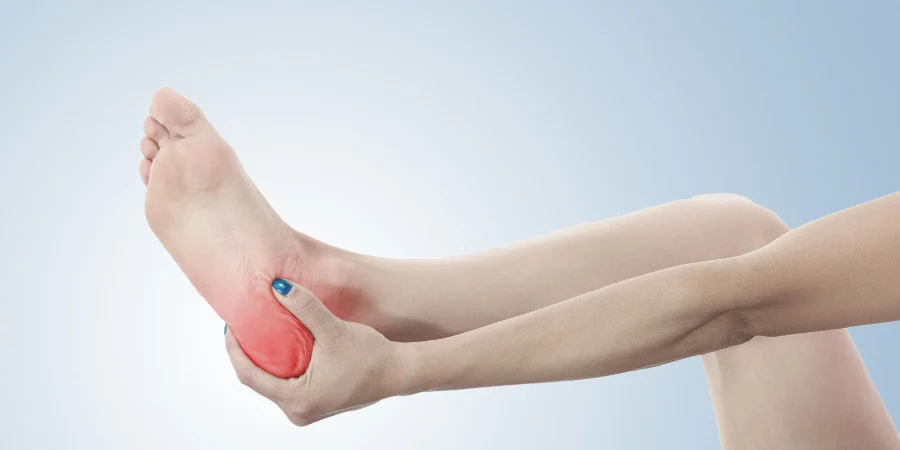
Peroneal tendinopathy is a degenerative condition affecting the peroneal tendons that run along the outer ankle. These tendons become irritated, weakened, or damaged through overuse or acute injury. The condition causes persistent lateral ankle pain that interferes with walking, running, and daily activities.
This injury develops when repetitive stress exceeds the tendon’s capacity to heal. Unlike acute tendon tears, tendinopathy involves gradual tissue breakdown with inflammation and structural changes. Without proper treatment, simple activities like climbing stairs become challenging and painful.
Ankle Anatomy: The Peroneal Tendon System
The peroneal tendons include the peroneus longus and peroneus brevis, which travel behind the lateral malleolus (outer ankle bone). These tendons stabilize the ankle during movement and help control foot positioning. A fibrous sheath and retinaculum hold them securely against the bone.
When functioning properly, peroneal tendons prevent ankle rolling and support dynamic balance. They work with surrounding ligaments and muscles to maintain stability on uneven surfaces. Understanding this anatomy helps explain why damage creates such significant functional limitations.
Causes and Mechanism of Injury
- Repetitive lateral ankle stress from running, especially on cambered surfaces or uneven terrain
- Sudden increases in training volume or intensity without adequate adaptation time
- Ankle sprains that stretch or damage the peroneal tendons and supporting structures
- Abnormal foot mechanics such as high arches or excessive pronation
- Direct trauma to the outer ankle from falls or impact injuries
The injury typically develops gradually as micro-tears accumulate faster than the body can repair them. Poor footwear, inadequate warm-up routines, and biomechanical imbalances accelerate degeneration. Even minor chronic irritation can progress to significant tendon weakness over time.
Risk Factors for Developing Peroneal Tendinopathy
- Participation in sports requiring repetitive ankle movements like running, basketball, or soccer
- Previous ankle sprains that weakened lateral ankle stability
- Pes cavus foot structure creating excessive lateral loading
- Inadequate calf and ankle strength reducing shock absorption
- Age-related tendon degeneration reducing tissue resilience
- Sudden return to activity after periods of inactivity
Runners who train on sloped surfaces face particularly high risk. Workers who stand on hard surfaces for extended periods also develop increased vulnerability. Addressing modifiable risk factors significantly reduces injury likelihood.
Common Symptoms of Peroneal Tendinopathy
- Sharp or aching pain along the outer ankle and behind the lateral malleolus
- Increased discomfort with walking, running, or standing on uneven ground
- Morning stiffness that improves slightly with gentle movement
- Swelling and tenderness around the outer ankle region
- Weakness during ankle eversion (turning foot outward)
- Pain that worsens with push-off during gait
Symptoms often develop gradually, starting as mild discomfort after activity. Pain becomes more persistent as the condition progresses. Many patients describe a burning sensation that intensifies throughout the day.
Complications If Left Untreated
- Chronic ankle instability increasing risk of recurrent sprains
- Progressive tendon degeneration potentially leading to partial or complete tears
- Compensatory gait changes causing knee, hip, or lower back pain
- Significant activity limitation affecting quality of life
-
Treatment at Physiocare for Peroneal Tendinopathy
Comprehensive Treatment Approaches
Myofascial Release
- Targets fascial restrictions around the peroneal muscles and ankle
- Reduces tissue tension that contributes to tendon overload
- Improves blood flow to promote natural healing processes
- Restores normal ankle mobility and reduces compensatory movement patterns
Laser Therapy
- Delivers photobiomodulation to accelerate cellular repair in damaged tendons
- Reduces inflammation and pain without medication side effects
- Penetrates deep tissue to reach the peroneal tendon structures
- Promotes collagen synthesis for stronger tendon regeneration
TENS (Transcutaneous Electrical Nerve Stimulation)
- Provides immediate pain relief through nerve modulation
- Enables patients to participate more fully in active rehabilitation
- Non-invasive approach suitable for all recovery stages
- Reduces reliance on pain medications
IFC (Interferential Current Therapy)
- Delivers deeper electrical stimulation than TENS for tissue healing
- Reduces swelling and inflammation around the peroneal tendons
- Improves local circulation to enhance nutrient delivery
- Comfortable treatment that complements manual therapy
Shockwave Therapy
- Delivers acoustic waves that trigger biological healing responses
- Breaks down scar tissue and calcifications within degenerative tendons
- Stimulates new blood vessel formation for improved tissue health
- Clinically proven effective for chronic tendinopathies
Deep Oscillation Therapy (DOT)
- Creates electrostatic oscillations that penetrate deep into tissues
- Reduces pain and edema through gentle, non-invasive stimulation
- Accelerates lymphatic drainage around the injured ankle
- Particularly effective for patients sensitive to manual pressure
Graston Technique (IASTM)
- Uses specialized instruments to detect and treat fascial restrictions
- Breaks down adhesions and scar tissue limiting tendon gliding
- Stimulates healing response in chronically degenerated tissues
- Improves ankle range of motion and functional movement quality
M2T Blade (IASTM)
- Advanced instrument-assisted soft tissue mobilization technique
- Precisely targets peroneal tendon adhesions and fibrotic tissue
- Enhances tissue pliability and reduces mechanical irritation
- Complements manual therapy for comprehensive treatment
DNS (Dynamic Neuromuscular Stabilization)
- Retrains optimal movement patterns based on developmental kinesiology
- Addresses core and hip stability deficits contributing to ankle overload
- Improves entire kinetic chain function, not just local ankle symptoms
- Prevents future injury through enhanced neuromuscular control
Radio Frequency Therapy (StimPod)
- Delivers precise electromagnetic stimulation to promote tissue healing
- Reduces pain through neuromodulation of pain pathways
- Non-invasive technology with no thermal damage risks
- Effective for both acute inflammation and chronic degeneration
EMTT (Extracorporeal Magnetotransduction Therapy – Storz)
- Uses high-energy magnetic pulses to stimulate cellular metabolism
- Accelerates healing in stubborn cases resistant to other treatments
- Pain-free application suitable for sensitive patients
- Complements shockwave therapy for optimal outcomes
How Physiotherapy Resolves Peroneal Tendinopathy
Physiotherapy addresses both symptoms and underlying causes of peroneal tendinopathy. Treatment reduces pain and inflammation while strengthening the peroneal muscles and improving ankle stability. Therapists identify biomechanical factors contributing to tendon overload and develop corrective strategies.
Progressive loading exercises rebuild tendon strength safely without re-injury. Manual therapy techniques restore normal ankle mechanics and reduce compensatory movement patterns. Patient education ensures long-term success through proper activity modification and injury prevention strategies.
Our Step-by-Step Recovery Approach
Assessment: Comprehensive evaluation identifies pain patterns, functional limitations, biomechanical deficits, and contributing factors through movement analysis and clinical testing.
Personalized Plan: Individualized treatment protocol combines appropriate therapies, progressive exercises, and realistic timelines based on injury severity and patient goals.
Evidence-Based Treatment: Application of proven techniques including manual therapy, advanced modalities, therapeutic exercise, and activity modification guidance.
Recovery & Prevention: Graduated return-to-activity program with ongoing strength training, movement retraining, and strategies to prevent recurrence.
Location-Specific Treatment Options
Why Choose Physiocare for Peroneal Tendinopathy?
Our therapists hold advanced certifications in orthopedic and sports physiotherapy, with specialized training in tendon rehabilitation. We combine cutting-edge technologies like EMTT and Shockwave Therapy with evidence-based manual techniques for comprehensive care.
Every treatment plan reflects your unique needs, goals, and lifestyle. With six convenient locations across Ottawa, accessing expert care has never been easier. As a trusted physiotherapy clinic in Ottawa, we’re committed to helping you return to the activities you love without limitations or fear of re-injury.
Frequently Asked Questions
Our Professional Team at Physiocare
Healing Hands, Happy Hearts: What Our Patients Say
Citations and References
- Physiopedia – Peroneal Tendinopathy: Comprehensive overview of anatomy, assessment, and evidence-based management strategies.
https://www.physio-pedia.com/Peroneal_Tendinopathy - Wiegerinck JI, et al. (2012) – “Treatment for insertional Achilles tendinopathy: a systematic review” – Knee Surgery, Sports Traumatology, Arthroscopy. Relevant principles apply to peroneal tendon management.
[PubMed PMID: 22491708] - Dallaudière B, et al. (2013) – “MRI of peroneal tendon pathology” – European Journal of Radiology. Diagnostic imaging standards for peroneal tendinopathy.
[PubMed PMID: 23484736] - Grant TH, et al. (2008) – “Peroneal tendon subluxation: an anatomic study defining a new classification system” – Foot & Ankle International. Classification and anatomical considerations.
[PubMed PMID: 18503726] - Canadian Physiotherapy Association – Practice guidelines for tendinopathy management emphasizing progressive loading and multimodal treatment approaches.
https://physiotherapy.ca/