Understanding Autoimmune & Inflammatory Conditions
What Are Autoimmune & Inflammatory Conditions?
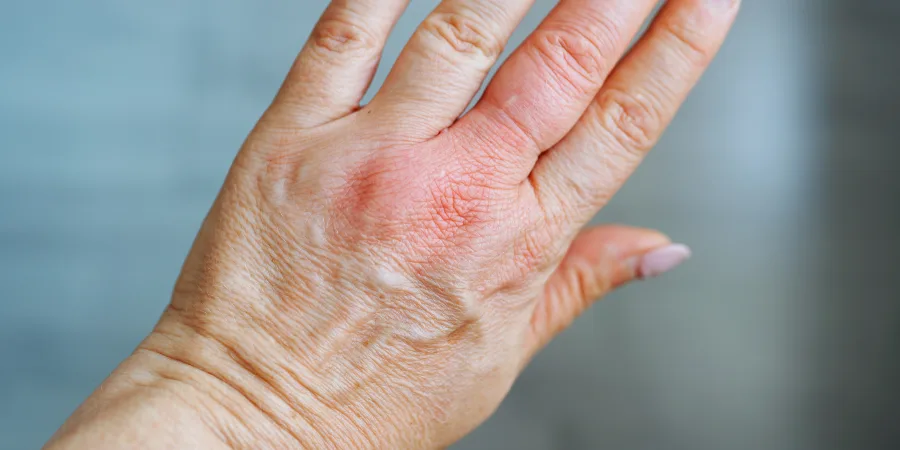
Autoimmune and inflammatory conditions occur when your immune system mistakenly attacks healthy tissues or when inflammation persists beyond normal healing. These conditions create ongoing cycles of pain, swelling, stiffness, and fatigue that impact daily activities. Common examples include rheumatoid arthritis, lupus, fibromyalgia, ankylosing spondylitis, and psoriatic arthritis.
While these conditions are chronic, physiotherapy offers powerful tools to manage symptoms, reduce flare frequency, and restore quality of life without solely relying on medications.
Relevant Anatomy & Systems Affected
Autoimmune and inflammatory conditions can affect multiple body systems simultaneously:
- Joints and connective tissue: Synovial membranes become inflamed, causing joint swelling, warmth, and progressive stiffness
- Muscles and fascia: Chronic inflammation leads to muscle tension, trigger points, and fascial restrictions that limit movement
- Nervous system: Pain signals become amplified, creating heightened sensitivity throughout the body
- Circulatory and lymphatic systems: Impaired fluid drainage increases swelling and tissue pressure
Understanding which systems are most affected in your condition helps physiotherapists create targeted treatment approaches.
Causes & Mechanisms
The exact triggers vary by condition, but common mechanisms include:
- Genetic predisposition: Certain genes increase susceptibility to immune system dysfunction and inflammatory responses
- Environmental triggers: Infections, stress, hormonal changes, or toxin exposure can activate autoimmune processes
- Immune system dysregulation: The body produces antibodies against its own tissues, creating chronic inflammation
- Inflammatory cascade: Once triggered, inflammatory chemicals perpetuate tissue damage and pain signals
Many patients experience flare-ups during periods of stress, illness, or seasonal changes.
Risk Factors
Several factors increase vulnerability to autoimmune and inflammatory conditions:
- Family history: Having relatives with autoimmune conditions significantly raises your risk
- Gender: Women develop autoimmune conditions at nearly three times the rate of men
- Age: Most autoimmune conditions emerge between ages 20-50, though onset can occur at any age
- Previous infections: Certain viral or bacterial infections can trigger autoimmune responses in susceptible individuals
Smoking and lifestyle factors: Tobacco use, poor sleep, and chronic stress amplify inflammatory processes
Common Symptoms
Symptoms vary widely but typically include:
- Persistent joint pain and stiffness: Often worse in the morning or after periods of rest
- Chronic fatigue: Overwhelming tiredness that doesn’t improve with rest
- Muscle weakness and pain: Difficulty with tasks that previously felt effortless
- Swelling and warmth: Visible inflammation in joints or affected areas
- Reduced range of motion: Progressive limitation in movement and flexibility
- Brain fog: Difficulty concentrating, memory problems, and mental fatigue
Flare patterns: Periods of increased symptoms alternating with calmer phases
Complications If Untreated
- Progressive joint damage and deformity limiting daily function
- Chronic pain syndrome with central sensitization
- Muscle atrophy and significant strength loss
- Cardiovascular complications from systemic inflammation
- Depression and social isolation from persistent symptoms
- Permanent disability affecting work and independence
Treatment at Physiocare for Autoimmune & Inflammatory Conditions
Evidence-Based Therapies We Offer
Ondamed (PEMF Biofeedback)
- Uses electromagnetic pulses matched to your body’s frequencies to reduce inflammation at the cellular level
- Particularly effective for systemic conditions like fibromyalgia and lupus
- Non-invasive approach that calms overactive immune responses
- Patients often report decreased pain and improved energy after treatment sessions
Deep Oscillation Therapy (DOT)
- Delivers gentle electrostatic impulses that penetrate deep into inflamed tissues
- Reduces swelling and promotes lymphatic drainage without causing pain
- Especially beneficial during flare-ups when touch sensitivity is high
- Accelerates tissue healing while calming inflammatory responses
Red Cord Therapy (Neurac)
- Suspension system that allows pain-free movement retraining during active inflammation
- Rebuilds functional strength without stressing inflamed joints
- Restores neuromuscular control that inflammation disrupts
- Helps patients regain confidence in movement despite ongoing symptoms
Myofascial Release
- Addresses fascial restrictions that develop from chronic inflammation and protective guarding
- Gentle, sustained pressure releases tissue tension without triggering flare responses
- Improves circulation and reduces referred pain patterns
- Complements other therapies by preparing tissues for movement
Cupping Therapy
- Creates negative pressure that enhances blood flow to inflamed areas
- Releases fascial adhesions and reduces muscle tension
- Chinese Cupping provides relief without the pressure sensitivity issues of traditional massage
- Particularly helpful for fibromyalgia and widespread pain conditions
Graston Technique (IASTM)
- Instrument-assisted soft tissue mobilization breaks down scar tissue and fascial restrictions
- Promotes tissue remodeling in areas affected by chronic inflammation
- Graston Technique helps restore normal tissue texture and function
- Applied with careful pressure modulation during sensitive periods
Laser Therapy
- Photobiomodulation reduces pain and inflammation at the cellular level
- Accelerates healing in damaged tissues affected by autoimmune processes
- Laser Therapy provides relief without medications or invasive procedures
- Effective for both acute flares and chronic symptom management
TENS (Transcutaneous Electrical Nerve Stimulation)
- Electrical impulses interrupt pain signals traveling to the brain
- Provides immediate pain relief during flare-ups
- Helps reduce medication dependence for pain management
- Can be used at home between therapy sessions
IFC (Interferential Current)
- Deeper penetrating electrical therapy that reduces inflammation and muscle spasm
- Stimulates circulation to promote healing in affected tissues
- Particularly effective for joint pain and stiffness
- Complements manual therapy approaches
Acupuncture
- Traditional approach that modulates pain perception and reduces inflammation
- Acupuncture helps regulate immune system responses
- Addresses both physical symptoms and stress-related flare triggers
- Evidence supports the effectiveness for various autoimmune-related pain conditions
DNS (Dynamic Neuromuscular Stabilization)
- Restores optimal movement patterns disrupted by chronic pain and inflammation
- Retrains core stability that deteriorates during prolonged illness
- Helps prevent compensatory movement patterns that create additional problems
- Builds resilience against future flare-ups
How Physiotherapy Helps Manage Autoimmune & Inflammatory Conditions
Physiotherapy addresses the multiple dimensions of autoimmune and inflammatory conditions through targeted interventions. Treatment reduces pain and inflammation while improving mobility and function despite ongoing disease processes. Evidence-based techniques help regulate immune responses, break pain cycles, and restore confidence in movement. Patients learn self-management strategies that reduce flare frequency and minimize the impact of symptoms on daily life.
Our Step-by-Step Treatment Approach
Comprehensive Assessment
We evaluate your symptom patterns, functional limitations, flare triggers, and treatment history to understand your unique presentation.
Personalized Treatment Plan
Your physiotherapist designs a flexible program that adapts to your changing symptoms and respects your body’s current state.
Evidence-Based Treatment Implementation
We combine advanced therapies with gentle manual techniques and therapeutic exercise tailored to your tolerance levels.
Recovery & Long-Term Management
Education is a key part of comprehensive treatment planning. You’ll learn pacing strategies, flare management techniques, and lifestyle modifications that support sustained improvement and help prevent setbacks.
Location-Specific Treatment Options
Why Choose Physiocare for Autoimmune & Inflammatory Conditions?
Our team brings specialized training in chronic pain management and autoimmune condition care, understanding the unique challenges you face. We offer advanced technologies like Ondamed and Deep Oscillation Therapy that specifically target inflammatory processes without aggravating sensitive tissues.
As a leading physiotherapy clinic in Ottawa, we provide compassionate, patient-centered care that respects your fluctuating symptoms and energy levels. With six convenient locations across Ottawa, you can access expert treatment close to home, reducing the burden of travel during difficult days.
Frequently Asked Questions
Our Professional Team at Physiocare
Healing Hands, Happy Hearts: What Our Patients Say
Citations and References
- Cramp F, Hewlett S, Almeida C, et al. Non-pharmacological interventions for fatigue in rheumatoid arthritis. Cochrane Database of Systematic Reviews. 2013;(8):CD008322. doi:10.1002/14651858.CD008322.pub2
- Metsios GS, Kitas GD. Physical activity, exercise and rheumatoid arthritis: Effectiveness, mechanisms and implementation. Best Practice & Research Clinical Rheumatology. 2018;32(5):669-682. doi:10.1016/j.berh.2019.03.013
- Hurkmans E, van der Giesen FJ, Vliet Vlieland TP, Schoones J, Van den Ende EC. Dynamic exercise programs (aerobic capacity and/or muscle strength training) in patients with rheumatoid arthritis. Cochrane Database of Systematic Reviews. 2009;(4):CD006853. doi:10.1002/14651858.CD006853.pub2
- Macfarlane GJ, Kronisch C, Dean LE, et al. EULAR revised recommendations for the management of fibromyalgia. Annals of the Rheumatic Diseases. 2017;76(2):318-328. doi:10.1136/annrheumdis-2016-209724
- Durcan L, Wilson F, Cunnane G. The effect of exercise on sleep and fatigue in rheumatoid arthritis: a randomized controlled study. Journal of Rheumatology. 2014;41(10):1966-1973. doi:10.3899/jrheum.131282