Understanding Arthritis & Joint Conditions
What Are Arthritis & Joint Conditions?
Type of Arthritis | Nature of Condition | Area Affected |
Osteoarthritis | Wear-and-tear arthritis | Joints |
Rheumatoid arthritis | Autoimmune inflammation | Joints, surrounding tissues, connective structures |
Psoriatic arthritis | Inflammatory condition | Joints, surrounding tissues, connective structures |
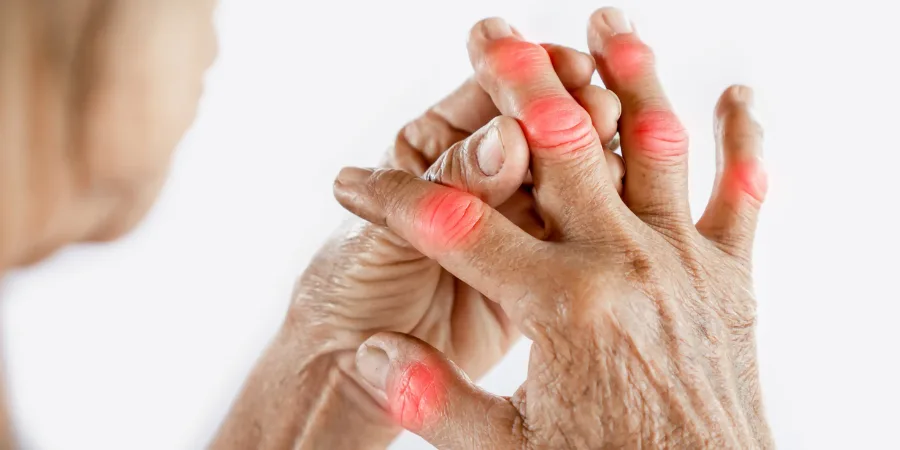
These conditions cause inflammation, pain, stiffness, and progressive loss of joint function. While arthritis cannot always be cured, evidence-based physiotherapy significantly reduces symptoms, slows progression, and helps you maintain the activities you love.
Joint Anatomy and Arthritis
Your joints are complex structures where bones meet, cushioned by cartilage and lubricated by synovial fluid. Ligaments provide stability while tendons connect muscles to bones, creating movement.
In arthritis, this delicate balance breaks down. Cartilage wears away, synovial membranes become inflamed, and bone surfaces may develop painful spurs. Understanding this process helps you recognize why comprehensive physiotherapy addresses multiple joint components simultaneously.
Key structures affected:
- Articular cartilage (protective cushioning)
- Synovial membrane (fluid-producing lining)
- Joint capsule (stabilizing envelope)
- Surrounding muscles and tendons
Causes & Contributing Factors
Arthritis develops through various mechanisms depending on the type. Osteoarthritis results from cumulative joint stress, previous injuries, or natural aging processes that gradually wear down cartilage over decades of use.
Inflammatory arthritis types like rheumatoid arthritis occur when your immune system mistakenly attacks joint tissues. Genetic factors, infections, metabolic conditions, and autoimmune responses all contribute to different arthritis forms.
Common triggers include:
- Repetitive joint stress or overuse
- Previous joint injuries or trauma
- Genetic predisposition
- Autoimmune system dysfunction
- Metabolic disorders (gout, pseudogout)
Risk Factors
Age remains the strongest predictor for osteoarthritis, with risk increasing significantly after 50. However, younger adults develop arthritis following sports injuries, occupational strain, or inflammatory conditions requiring early intervention.
Additional risk factors:
- Family history of arthritis
- Obesity (extra weight stresses joints)
- Previous joint injuries or surgeries
- Occupations requiring repetitive movements
- Female gender (for certain types)
- Smoking and poor nutrition
Common Symptoms
Joint pain represents the hallmark arthritis symptom, ranging from dull aching to sharp, activity-limiting discomfort. Morning stiffness lasting 30+ minutes suggests inflammatory arthritis, while pain worsening throughout the day indicates osteoarthritis.
Swelling, warmth, and visible joint changes accompany inflammation. Reduced range of motion makes daily tasks challenging—buttoning shirts, climbing stairs, or opening jars become frustrating obstacles.
Watch for these signs:
- Persistent joint pain or tenderness
- Morning stiffness or “gelling”
- Swelling, redness, or warmth
- Decreased range of motion
- Joint instability or weakness
- Grinding sensations (crepitus)
- Fatigue affecting daily activities
Complications If Left Untreated
- Permanent joint deformity and structural damage
- Chronic pain requiring stronger medications
- Muscle weakness and atrophy around affected joints
- Loss of independence in daily activities
- Increased fall risk and mobility limitations
- Secondary health problems (cardiovascular, mental health)
Treatment at Physiocare for Arthritis & Joint Conditions
Comprehensive Treatment Approaches
Spinal Manipulation
- Restores proper joint alignment, reducing compensatory stress on arthritic joints
- Improves nervous system function for better pain modulation
- Enhances overall mobility when spinal restrictions contribute to joint problems
- Particularly effective for arthritis affecting spinal facet joints
Joint Protection Strategies Education & Customized Bracing
- Educates patients on proper movement patterns to minimize joint stress during daily activities
- Provides individualized bracing solutions to support affected joints and maintain alignment
- Reduces joint loading to slow degenerative changes
- Helps prevent symptom recurrence and supports long-term joint health
Myofascial Release
- Addresses tight fascia and muscle tension surrounding inflamed joints
- Improves blood flow and nutrient delivery to arthritic areas
- Reduces protective muscle guarding that limits movement
- Relieves trigger points contributing to referred joint pain
Chinese Cupping
- Increases local circulation promoting healing in arthritic tissues
- Reduces inflammation and fluid accumulation around joints
- Provides drug-free pain relief through nervous system modulation
- Creates tissue decompression relieving joint pressure
Graston Technique (IASTM)
- Breaks down scar tissue and adhesions limiting joint mobility
- Stimulates tissue remodeling and collagen realignment
- Improves flexibility in tendons and ligaments around arthritic joints
- Enhances effectiveness of subsequent exercise therapy
M2T Blade (IASTM)
- Precision instrument-assisted mobilization targeting specific joint restrictions
- Addresses chronic tissue changes in long-standing arthritis
- Reduces pain through mechanical and neurological mechanisms
- Complements manual therapy for deeper tissue access
Deep Oscillation Therapy (DOT)
- Gentle electrostatic vibrations penetrate deep into inflamed joints
- Reduces swelling and edema without causing additional discomfort
- Accelerates healing while providing immediate pain relief
- Safe for acute inflammatory arthritis flares
Dynamic Neuromuscular Stabilization (DNS)
- Retrains optimal movement patterns protecting arthritic joints
- Strengthens core stability reducing stress on peripheral joints
- Addresses developmental movement patterns for joint protection
- Particularly valuable for preventing arthritis progression
Red Cord Therapy (Neurac)
- Suspension-based exercise reducing joint loading during strengthening
- Identifies and corrects weak links in movement chains
- Builds functional strength without aggravating arthritis
- Improves body awareness and movement quality
Laser Therapy
- Photobiomodulation reduces joint inflammation at cellular level
- Stimulates cartilage cell activity and tissue repair
- Provides deep-penetrating pain relief without medication
- Accelerates healing between physiotherapy sessions
TENS (Transcutaneous Electrical Nerve Stimulation)
- Blocks pain signals through electrical nerve stimulation
- Provides immediate relief during acute arthritis flares
- Safe, non-invasive option for daily pain management
- Can be used at home between clinic visits
IFC (Interferential Current)
- Deeper tissue penetration than TENS for joint inflammation
- Reduces muscle spasm protecting arthritic joints
- Stimulates circulation promoting nutrient delivery
- Effective for larger joints like hips and knees
Acupuncture
- Triggers endorphin release for natural pain relief
- Reduces inflammation through immune system modulation
- Addresses both local joint pain and systemic factors
- Particularly effective for inflammatory arthritis types
Radio Frequency Therapy (StimPod)
- Stimulates nerve and muscle function around affected joints
- Addresses muscle weakness contributing to joint instability
- Reduces pain through advanced electrical stimulation
- Complements exercise programs for faster strength gains
EMTT Therapy (Storz)
- Electromagnetic transduction technology promotes tissue regeneration
- Stimulates cartilage and bone cell activity
- Reduces inflammation in deep joint structures
- Represents cutting-edge arthritis treatment technology
How Physiotherapy Helps Manage Arthritis
Physiotherapy addresses arthritis through multiple proven mechanisms. Manual techniques restore joint mobility while reducing inflammation. Therapeutic modalities control pain and accelerate healing. Personalized exercise programs strengthen supporting muscles, protecting joints from further damage.
Beyond symptom relief, physiotherapy empowers you with self-management strategies. You’ll learn joint protection techniques, activity modification, and home exercises maintaining improvements between appointments. This comprehensive approach reduces reliance on medications while improving long-term outcomes.
Education forms a critical component—understanding your condition helps you make informed decisions. Your physiotherapist becomes your partner in managing arthritis throughout life’s changing demands and challenges.
Your Step-by-Step Recovery Journey
Comprehensive Assessment
Your physiotherapist conducts detailed joint evaluation, movement analysis, and functional testing to understand your specific arthritis presentation and goals.
Personalized Treatment Plan
We design an individualized program combining hands-on therapy, advanced modalities, and targeted exercises addressing your unique needs and lifestyle.
Evidence-Based Treatment
Your plan incorporates proven techniques from manual therapy to cutting-edge technologies, adjusted based on your response and progress.
Recovery & Prevention
We transition you toward independence with home programs, joint protection education, and strategies preventing arthritis progression long-term.
Location-Specific Treatment Options
Why Choose Physiocare for Arthritis & Joint Conditions?
Physiocare’s arthritis specialists hold advanced certifications in manual therapy, therapeutic modalities, and exercise prescription. Our patient-centered approach combines cutting-edge technology with compassionate care, ensuring you feel heard, understood, and supported throughout your recovery journey.
With six convenient Ottawa locations, accessing expert physiotherapy in Ottawa fits seamlessly into your life. Whether you’re managing osteoarthritis, rheumatoid arthritis, or post-injury joint problems, our evidence-based treatments help you reclaim mobility, reduce pain, and maintain independence.
Frequently Asked Questions
Our Professional Team at Physiocare
Healing Hands, Happy Hearts: What Our Patients Say
Citations and References
- Arthritis Society Canada. (2024). Osteoarthritis: Causes, Symptoms and Treatment Options. Retrieved from https://arthritis.ca/about-arthritis/arthritis-types-(a-z)/types/osteoarthritis
- Fransen, M., McConnell, S., Harmer, A. R., Van der Esch, M., Simic, M., & Bennell, K. L. (2015). Exercise for osteoarthritis of the knee. Cochrane Database of Systematic Reviews, 1(1), CD004376. https://doi.org/10.1002/14651858.CD004376.pub3
- Canadian Physiotherapy Association. (2023). Clinical Practice Guidelines: Management of Hip and Knee Osteoarthritis. Retrieved from https://physiotherapy.ca/clinical-practice-guidelines
- Bannuru, R. R., Osani, M. C., Vaysbrot, E. E., Arden, N. K., Bennell, K., Bierma-Zeinstra, S. M., … & McAlindon, T. E. (2019). OARSI guidelines for the non-surgical management of knee, hip, and polyarticular osteoarthritis. Osteoarthritis and Cartilage, 27(11), 1578-1589. https://doi.org/10.1016/j.joca.2019.06.011
- Mayo Clinic. (2024). Arthritis: Diagnosis and Treatment. Retrieved from https://www.mayoclinic.org/diseases-conditions/arthritis/diagnosis-treatment/drc-20350777
- Kolasinski, S. L., Neogi, T., Hochberg, M. C., Oatis, C., Guyatt, G., Block, J., … & Reston, J. (2020). 2019 American College of Rheumatology/Arthritis Foundation guideline for the management of osteoarthritis of the hand, hip, and knee. Arthritis Care & Research, 72(2), 149-162. https://doi.org/10.1002/acr.24131