Understanding Abdominal Wall Strain
What Is Abdominal Wall Strain?
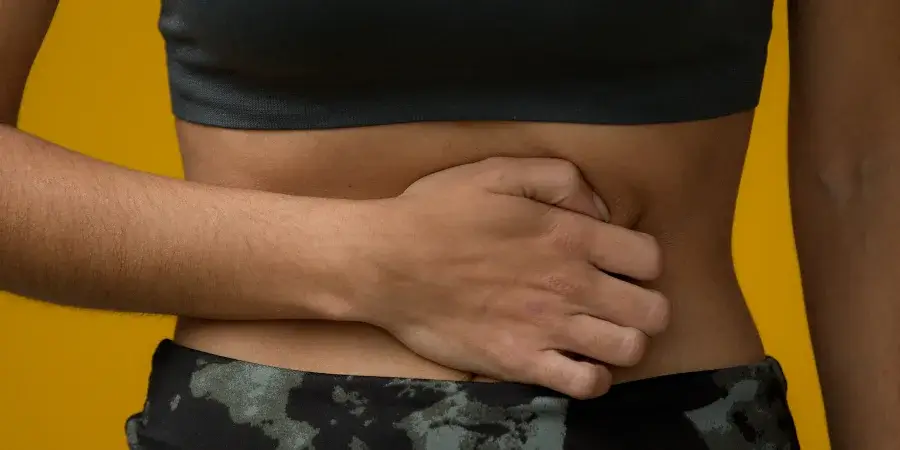
Abdominal wall strain occurs when muscles in your core become overstretched or torn. This injury affects the rectus abdominis, external obliques, internal obliques, or transverse abdominis muscles. The strain creates microscopic tears in muscle fibres, triggering inflammation and protective muscle spasm. You might experience sharp pain during movement, tenderness when touching the area, and difficulty performing everyday activities like bending or lifting.
Relevant Anatomy of Your Core
Your abdominal wall consists of four major muscle groups working together:
- Rectus Abdominis: The “six-pack” muscles running vertically down your abdomen, responsible for trunk flexion and core stability
- External Obliques: Diagonal muscles on your sides that control rotation and side bending movements
- Internal Obliques: Deeper diagonal fibres running opposite to external obliques, supporting rotation and breathing
- Transverse Abdominis: The deepest layer wrapping around your torso like a corset, providing spinal stability and intra-abdominal pressure control
These muscles connect through fascia and attach to your ribs, pelvis, and spine, creating an integrated system for movement and protection.
Causes and Mechanism of Injury
Abdominal wall strains typically develop through several mechanisms:
- Sudden forceful movements: Explosive twisting, lifting heavy objects with poor technique, or rapid acceleration during sports
- Repetitive stress: Ongoing strain from chronic coughing, intense athletic training, or manual labour without adequate recovery
- Direct trauma: Blunt impact to the abdomen during contact sports or accidents
- Overstretching: Reaching beyond normal range during exercise or unexpected movements like catching yourself from falling
The injury occurs when muscle fibres experience tension exceeding their elastic capacity, creating partial or complete tears.
Risk Factors for Abdominal Wall Strain
Certain factors increase your vulnerability to abdominal muscle injury:
- Inadequate warm-up: Beginning intense activity without preparing muscles increases strain susceptibility
- Previous core injuries: Scar tissue and weakness from past strains create re-injury risk
- Poor core strength: Weak stabilizing muscles force other structures to compensate unsafely
- Muscle imbalances: Overdeveloped front muscles with weak back support create dysfunction
- Fatigue and overtraining: Tired muscles lose protective coordination and proper firing patterns
- Age-related changes: Decreased muscle elasticity and slower healing response affect recovery capacity
Common Symptoms You Might Experience
Abdominal wall strain presents with recognizable patterns:
- Sharp or stabbing pain: Localized discomfort worsening with movement, coughing, sneezing, or laughing
- Muscle tenderness: Sensitivity when pressing the affected area or contracting abdominal muscles
- Visible swelling or bruising: Inflammation and internal bleeding creating discoloration around the injury site
- Muscle spasm: Involuntary tightening as your body attempts to protect damaged tissue
- Weakness and instability: Difficulty maintaining posture, reduced athletic performance, and challenges with daily activities
- Pain during specific movements: Particularly when twisting, bending forward, or lifting objects
Complications If Left Untreated
Ignoring abdominal wall strain can lead to serious consequences:
Chronic pain develops as injured tissues heal improperly with scar tissue formation. Muscle compensation patterns emerge, placing excessive stress on your back, hips, and shoulders. Core instability increases risk of secondary injuries including hernias, disc problems, and joint dysfunction. Reduced athletic performance and quality of life become persistent issues. Psychological stress from ongoing limitations affects mental wellbeing and daily confidence. Early intervention prevents these cascading complications and supports complete functional recovery.
Treatment at Physiocare for Abdominal Wall Strain
Comprehensive Treatment Approaches
Myofascial Release for Abdominal Wall Strain
- Targets restricted fascia and muscle adhesions limiting normal movement patterns and causing compensatory dysfunction
- Applies sustained gentle pressure releasing trigger points and restoring tissue mobility throughout your core region
- Reduces protective muscle guarding allowing proper healing alignment and improved blood flow to damaged areas
- Enhances flexibility and range of motion while decreasing pain signals from sensitized nerve endings
- Creates negative pressure lifting tissue layers apart, promoting increased circulation and reducing muscle tension
- Breaks up fascial adhesions and scar tissue that restrict normal gliding between muscle layers
- Stimulates lymphatic drainage removing inflammatory byproducts accelerating your natural healing response
- Provides immediate pain relief through neurological gating mechanisms and endorphin release
- Delivers photobiomodulation stimulating cellular ATP production and enhancing tissue repair at microscopic levels
- Reduces inflammation by decreasing pro-inflammatory cytokines and increasing anti-inflammatory mediators naturally
- Accelerates collagen synthesis creating stronger more organized healing tissue with improved tensile strength
- Penetrates deep tissue layers reaching injured muscle fibres non-invasively without discomfort
TENS (Transcutaneous Electrical Nerve Stimulation) for Abdominal Wall Strain
- Delivers gentle electrical impulses blocking pain signals from reaching your brain through gate control mechanisms
- Stimulates endorphin production providing natural pain relief without medication side effects
- Reduces muscle spasm through rhythmic stimulation encouraging relaxation and normal muscle tone
- Allows earlier participation in active rehabilitation by managing discomfort during therapeutic exercise
IFC (Interferential Current) for Abdominal Wall Strain
- Produces deeper tissue penetration than TENS reaching injured muscle layers with comfortable stimulation
- Reduces swelling through electrical muscle pumping action enhancing lymphatic and venous drainage
- Promotes tissue healing by increasing local blood flow delivering oxygen and nutrients to damaged areas
- Provides effective pain management for acute and chronic symptoms supporting functional recovery
Accu Stim (Microcurrent) for Abdominal Wall Strain
- Delivers subsensory electrical current mimicking your body’s natural bioelectric signals for cellular repair
- Enhances ATP production at cellular level accelerating healing response and tissue regeneration
- Reduces inflammation and pain through multiple physiological mechanisms without conscious sensation
- Supports collagen alignment creating functional scar tissue with improved mechanical properties
- Combines microcurrent therapy with acupuncture point stimulation addressing both local and systemic dysfunction
- Releases myofascial trigger points contributing to referred pain patterns and movement limitations
- Resets dysfunctional neuromuscular patterns restoring proper muscle activation sequencing and coordination
- Provides rapid pain relief through direct nerve stimulation and central nervous system modulation
NIS (Neuro Integration System) for Abdominal Wall Strain
- Identifies neurological communication breakdowns between your brain and injured abdominal muscles
- Restores proper signaling pathways ensuring optimal muscle function coordination and healing response
- Addresses underlying dysfunction often missed by conventional treatment approaches
- Supports comprehensive recovery by optimizing nervous system control of tissue repair and movement patterns
DNS (Dynamic Neuromuscular Stabilization) for Abdominal Wall Strain
- Retrains your core stabilization patterns based on developmental movement principles from infancy
- Activates deep stabilizing muscles including transverse abdominis restoring proper intra-abdominal pressure control
- Corrects compensatory movement patterns preventing re-injury and addressing underlying dysfunction
- Integrates breathing mechanics with core activation creating functional stability for daily activities
- Generates electrostatic attraction and friction within tissues creating gentle deep massage effects
- Reduces pain and swelling through enhanced fluid exchange and lymphatic drainage
- Accelerates healing without causing additional trauma or discomfort during treatment
- Particularly effective for acute injuries managing inflammation while supporting early mobilization
- Delivers high-energy magnetic pulses penetrating deep tissue stimulating cellular metabolism and regeneration
- Reduces chronic pain and inflammation through electromagnetic field effects on cellular function
- Accelerates healing in stubborn cases resistant to conventional physiotherapy interventions
- Non-invasive advanced technology supporting faster return to sport and work activities
How Physiotherapy Helps Manage Abdominal Wall Strain
Physiotherapy addresses both immediate symptoms and underlying causes of your injury. Manual therapy techniques reduce muscle tension and fascial restrictions limiting movement. Modalities manage pain and inflammation creating conditions for optimal healing. Therapeutic exercise progressively rebuilds strength, endurance, and coordination preventing re-injury. Movement retraining corrects faulty patterns contributing to initial strain. Education empowers you with strategies for injury prevention and self-management. This comprehensive approach ensures complete recovery rather than temporary symptom relief.
Your Step-by-Step Recovery Journey
Assessment
Your physiotherapist conducts thorough evaluation identifying injury severity, movement dysfunction, and contributing factors. Detailed history, physical examination, and functional testing create your baseline understanding. Special tests differentiate abdominal strain from other conditions ensuring accurate diagnosis. This comprehensive assessment guides personalized treatment planning.
Personalized Plan
Based on assessment findings, your therapist designs customized treatment matching your specific injury, goals, and lifestyle. The plan addresses immediate pain management, tissue healing support, functional restoration, and prevention strategies. Timeline expectations and progress markers keep you informed throughout recovery. Flexibility allows adjustments as your condition evolves.
Evidence-Based Treatment
Your physiotherapist applies proven interventions combining manual therapy, therapeutic modalities, and progressive exercise. Treatment intensity and frequency match healing stages preventing over-treatment or under-treatment. Regular reassessment ensures interventions remain effective and appropriate. Integration of multiple approaches addresses all aspects of your condition.
Recovery and Prevention
As symptoms resolve, focus shifts toward long-term wellness and injury prevention. Advanced strengthening and sport-specific training prepare you for full activity return. Movement education and ergonomic guidance reduce future strain risk. Maintenance strategies support lasting results and optimal core function.
Available Treatments By Location
Why Choose Physiocare for Abdominal Wall Strain Treatment?
Physiocare stands as Ottawa’s trusted physiotherapy partner through our commitment to advanced evidence-based care and genuine patient relationships. Our therapists hold specialized certifications in manual therapy, neuromuscular stabilization, and cutting-edge modalities unavailable at most physio clinics in Ottawa. We invest in the latest treatment technologies including EMTT, laser therapy, and microcurrent stimulation ensuring you receive optimal care. With six convenient locations across Ottawa, accessing expert treatment fits seamlessly into your busy life. Most importantly, we see you as a whole person, not just an injury, creating personalized recovery plans addressing your unique goals and circumstances.
Frequently Asked Questions About Abdominal Wall Strain
Our Professional Team at Physiocare
Healing Hands, Happy Hearts: What Our Patients Say