Physiocare Physiotherapy & Rehab Centre Ottawa

Postural Imbalance Treatment at Physiocare

KEY TAKEAWAYS 

  • Postural imbalance disrupts alignment, causing pain, fatigue, and reduced mobility over time
  • Advanced treatments like DNS, Red Cord therapy, and fascial work restore natural alignment
  • Personalized physiotherapy addresses root causes, not just symptoms, for lasting relief
  • Available across six Ottawa locations with expert, compassionate care tailored to you

Physiocare's Experience in Action

Understanding Postural Imbalance

What Is Postural Imbalance?

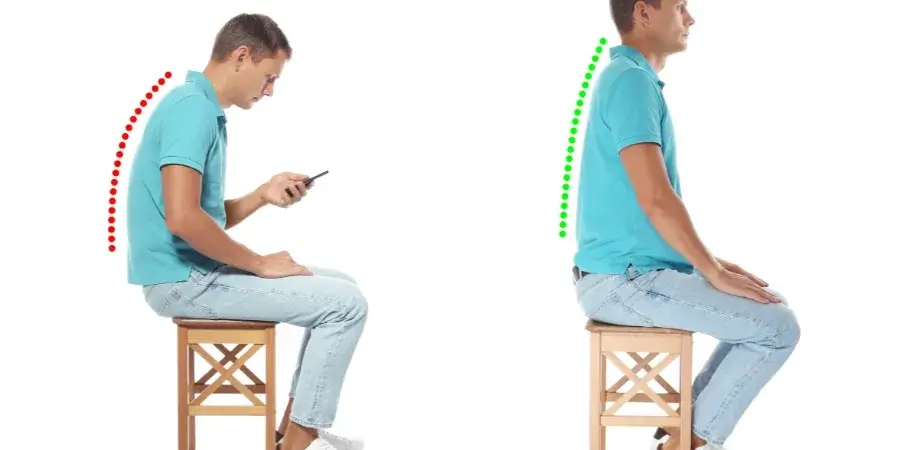
Postural imbalance occurs when the body’s alignment deviates from its natural, neutral position, causing uneven distribution of weight and stress across muscles, joints, and connective tissues. This misalignment can develop gradually from prolonged sitting, repetitive movements, or compensatory patterns following injury. Over time, these imbalances lead to discomfort, reduced function, and increased risk of further injury.

Your body is designed to move efficiently when properly aligned. When posture shifts out of balance, certain muscles become overactive while others weaken, creating a cycle that perpetuates pain and dysfunction.

Relevant Anatomy of Postural Alignment

Understanding the structures involved helps explain why postural imbalance affects your entire body:

  • Spine: The vertebral column provides structural support and houses the spinal cord; misalignment here affects nerve function and mobility
  • Core muscles: Deep abdominal and back muscles stabilize the spine and pelvis, maintaining upright posture
  • Hip and pelvic girdle: Proper pelvic alignment ensures balanced weight distribution through the lower body
  • Shoulder girdle: The scapulae, clavicles, and surrounding muscles position the upper body and arms correctly
  • Fascial system: Connective tissue networks transmit tension throughout the body, linking distant areas through continuous pathways
Postural Imbalance causes

Causes and Mechanisms Behind Postural Imbalance

Postural imbalances develop through various pathways, often combining multiple factors:

  • Prolonged sitting or static positions that encourage forward head posture and rounded shoulders
  • Repetitive occupational movements creating asymmetrical muscle development and tension patterns
  • Previous injuries leading to compensatory movement strategies that become habitual over time
  • Weak core stabilizers failing to support the spine during daily activities
  • Screen time and device usage promoting chin-forward and slouched positions
  • Muscle imbalances where tight structures pull the body out of alignment
  • Improper lifting techniques or training methods that reinforce poor movement patterns

Risk Factors for Developing Postural Imbalance

Certain factors increase your likelihood of experiencing postural dysfunction:

  • Sedentary lifestyle or desk-based work requiring extended sitting periods daily
  • Previous musculoskeletal injuries that altered normal movement patterns during recovery
  • Poor ergonomic setup at workstations lacking proper chair, desk, or monitor positioning
  • Muscular weakness particularly in postural stabilizers and core musculature
  • Chronic stress causing increased muscle tension especially in neck and shoulder regions
  • Inadequate physical activity leading to deconditioning of supportive muscle groups
  • Age-related changes affecting muscle mass, joint flexibility, and proprioceptive awareness

Common Symptoms of Postural Imbalance

Postural imbalance manifests through various physical complaints and functional limitations:

  • Persistent neck, shoulder, or back pain that worsens with sustained positions
  • Headaches originating from tension in the neck and upper back muscles
  • Fatigue and reduced endurance during normal daily activities
  • Uneven shoulder or hip heights visible when standing naturally
  • Forward head position or rounded shoulders affecting appearance and breathing
  • Difficulty maintaining upright posture without conscious effort
  • Reduced flexibility and stiffness particularly after prolonged sitting
  • Numbness or tingling in extremities from nerve compression

Complications if Left Untreated

  • Chronic pain syndromes developing in the spine, shoulders, and hips
  • Degenerative joint changes accelerating due to uneven mechanical stress
  • Reduced respiratory efficiency from compressed chest cavity positioning
  • Increased injury risk during physical activities from poor movement mechanics
  • Progressive muscle imbalances worsening over time without intervention

Treatment at Physiocare for Postural Imbalance

At Physiocare, we address postural imbalance through evidence-based treatments that retrain your body’s natural alignment and movement patterns. Our comprehensive approach combines advanced manual techniques with neuromuscular re-education to restore balance, reduce pain, and prevent recurrence.

Treatments Offered Across Our Clinics

DNS (Dynamic Neuromuscular Stabilization)
DNS retrains the nervous system to activate core stabilizers automatically during movement, restoring developmental patterns that support optimal posture. This approach teaches your body to stabilize the spine reflexively, creating lasting postural improvements without constant conscious effort.

Red Cord Therapy (Neurac)
Neurac therapy uses suspension and vibration to identify and correct weak links in your kinetic chain that contribute to postural imbalance. This treatment activates deep stabilizing muscles while reducing compensation patterns, allowing your body to rediscover efficient, pain-free movement.

Mulligan Mobilizations
These gentle, pain-free joint mobilizations improve spinal and extremity alignment by addressing positional faults that restrict movement. Mulligan techniques restore normal joint mechanics, immediately improving posture and reducing discomfort during daily activities.

Maitland Mobilizations
Graded joint mobilizations reduce stiffness and restore normal movement in areas affected by postural strain. This precise manual therapy improves joint mobility and reduces protective muscle tension, allowing easier maintenance of proper alignment.

Myofascial Release
Sustained pressure releases tension in fascial tissues that pull the body into misalignment. By addressing restrictions in the connective tissue network, myofascial release allows muscles to return to their optimal resting length, supporting better posture naturally.

Anatomy Trains-Informed Fascial Work
This approach treats postural imbalance by addressing continuous fascial pathways that transmit tension throughout the body. Rather than isolated treatment, this method releases restrictions along entire kinetic chains, creating comprehensive postural improvements that address root causes.

TENS (Transcutaneous Electrical Nerve Stimulation)
TENS reduces muscle tension and pain that perpetuate poor postural habits. By providing pain relief, this modality allows patients to participate more fully in corrective exercises and movement retraining.

IFC (Interferential Current Therapy)
Deep-penetrating electrical currents reduce inflammation and muscle spasm in postural muscles. IFC therapy promotes healing in chronically tight areas, allowing them to relax and function properly within balanced alignment.

Laser Therapy
Laser therapy accelerates tissue healing and reduces inflammation in areas stressed by postural imbalance. Photobiomodulation promotes cellular repair, helping overtaxed muscles and joints recover while supporting corrective treatment.

Accu Stim (Microcurrent Therapy)
Microcurrent stimulation promotes tissue healing at the cellular level and reduces pain in chronically strained postural muscles. This gentle therapy supports recovery without discomfort, allowing progressive strengthening of weakened areas.

Dolphin Neurostim (Microcurrent)
Dolphin Neurostim combines microcurrent with acupressure point stimulation to release trigger points and reduce nervous system hypersensitivity. This treatment calms overactive muscles contributing to postural dysfunction while promoting natural pain relief.

NIS (Neuro Integration System)
NIS addresses neurological dysfunction affecting postural control by restoring optimal communication between the brain and musculoskeletal system. This approach identifies and corrects signaling errors that cause muscles to fire improperly, leading to imbalance.

How Physiotherapy Helps Manage Postural Imbalance

Physiotherapy addresses the underlying neuromuscular and biomechanical factors perpetuating postural dysfunction. Through targeted assessment and treatment, we identify specific weaknesses, restrictions, and compensation patterns unique to your body. Our therapists guide you through corrective exercises and movement retraining that create lasting change.

Unlike temporary solutions, physiotherapy retrains how your nervous system controls posture automatically. We don’t just stretch tight muscles—we teach your body new patterns that support balanced alignment naturally throughout daily activities, creating sustainable improvement.

Our Step-by-Step Approach

Assessment: Comprehensive postural analysis identifies specific imbalances, weak areas, and movement patterns contributing to your condition.

Personalized Plan: Your therapist designs a treatment strategy targeting your unique postural faults and functional goals.

Evidence-Based Treatment: Progressive combination of manual therapy, neuromuscular retraining, and corrective exercises restore balanced alignment.

Recovery & Prevention: Education and home strategies ensure lasting results and prevent recurrence in your work and daily life.

Location-Specific Treatment Options

Physiocare Physiotherapy & Rehab Centre - Nepean

  • Red Cord Therapy (Neurac)
  • Myofascial Release
  • Anatomy Trains-informed fascial work
  • TENS
  • IFC
  • Laser
  • Accu Stim (microcurrent)
  • Dolphin Neurostim (microcurrent)

Physiocare Physiotherapy & Rehab Centre - Carling

  • Myofascial Release
  • Anatomy Trains-informed fascial work
  • TENS
  • IFC
  • Laser
  • Accu Stim (microcurrent)
  • Dolphin Neurostim (microcurrent)

Physiocare Physiotherapy & Rehab Centre - Westboro

  • DNS (Dynamic Neuromuscular Stabilization)
  • Myofascial Release
  • Anatomy Trains-informed fascial work
  • TENS
  • IFC
  • Laser
  • Accu Stim (microcurrent)
  • Dolphin Neurostim (microcurrent)

Physiocare Physiotherapy & Rehab Centre - Kanata

  • DNS (Dynamic Neuromuscular Stabilization)
  • Red Cord Therapy (Neurac)
  • Myofascial Release
  • Anatomy Trains-informed fascial work
  • TENS
  • IFC
  • Laser
  • Accu Stim (microcurrent)
  • Dolphin Neurostim (microcurrent)

Physiocare Physiotherapy & Rehab Centre - Stittsville

  • DNS (Dynamic Neuromuscular Stabilization)
  • Myofascial Release
  • Anatomy Trains-informed fascial work
  • TENS
  • IFC
  • Laser
  • Accu Stim (microcurrent)
  • Dolphin Neurostim (microcurrent)

Physiocare Physiotherapy & Rehab Centre - Barrhaven

  • Myofascial Release
  • Anatomy Trains-informed fascial work
  • TENS
  • IFC
  • Laser
  • Accu Stim (microcurrent)
  • Dolphin Neurostim (microcurrent)

Physiocare Physiotherapy & Rehab Centre - South Keys

  • Myofascial Release
  • Anatomy Trains-informed fascial work
  • TENS
  • IFC
  • Laser
  • Accu Stim (microcurrent)
  • Dolphin Neurostim (microcurrent)

Why Choose Physiocare for Postural Imbalance?

Our team holds advanced certifications in specialized techniques like DNS, Neurac, and Anatomy Trains fascial approaches—training that goes far beyond standard physiotherapy education. We combine these evidence-based methods with compassionate, patient-centered care that addresses your unique needs and goals.

With six convenient locations across Ottawa, accessing expert physiotherapy in Ottawa has never been easier. We understand that postural change takes time and guidance, which is why we partner with you throughout your recovery journey, providing the support and expertise you deserve.

Frequently Asked Questions About Postural Imbalance

No—our treatments are designed to be comfortable and progressive. Most patients find sessions relieving, and we adjust techniques to your tolerance while still achieving results.

Previous experiences vary widely depending on approach and expertise. Our specialized techniques like DNS and Neurac specifically target neuromuscular patterns that general exercises may miss.

No referral is necessary. You can book directly with us, and our registered physiotherapists will conduct a thorough assessment to begin your care.

Many patients notice changes within the first few sessions, though lasting correction typically develops over several weeks as new patterns become automatic through consistent treatment.

Yes—forward head posture and upper crossed syndrome commonly trigger tension headaches. Correcting alignment often provides significant headache relief as muscular strain reduces.

Postural imbalance is highly correctable with proper treatment and retraining. Your nervous system can learn new, healthier patterns at any age with guided physiotherapy intervention.

Most patients achieve lasting results and graduate to independent maintenance. We equip you with strategies to sustain improvements, with periodic check-ins as needed.

Absolutely—slouched positions compress the chest cavity and restrict diaphragm movement. Improved alignment often enhances breathing capacity and reduces fatigue noticeably.

Generic exercises can't address your specific imbalances and compensation patterns. We identify exactly which muscles need strengthening or releasing in your body for effective, personalized correction.

Earlier intervention prevents complications and achieves faster results. Would it be unreasonable to address your posture before chronic pain develops or worsens significantly?

Our Professional Team at Physiocare

Healing Hands, Happy Hearts: What Our Patients Say

Citations and References​

  1. Mayo Clinic – Posture: Straighten up! (2023). Available at: https://www.mayoclinic.org/healthy-lifestyle/adult-health/in-depth/posture/art-20046281
  2. Physiopedia – Posture and Postural Dysfunction (2024). Available at: https://www.physio-pedia.com/Posture
  3. Journal of Physical Therapy Science – “Effects of forward head posture on static and dynamic balance control” (2023). PubMed PMID: 37124753
  4. Canadian Physiotherapy Association – Clinical Practice Guidelines for Postural Assessment and Treatment (2024). Available at: https://physiotherapy.ca/
  5. Spine Journal – “The relationship between forward head posture and chronic neck pain: A systematic review” (2024). DOI: 10.1016/j.spinee.2024.01.003
Request Appointment

Register for Event

Please fill the form below to book your slot for the event

This will close in 0 seconds

Call Now Button