Physiocare Physiotherapy & Rehab Centre Ottawa

Back Pain (Upper, Mid & Lower) Treatment at Physiocare

Key Takeaways

  • Back pain affects 80% of Canadians at some point, impacting daily activities and quality of life
  • Physiotherapy addresses root causes through hands-on treatment, targeted exercise, and pain management techniques
  • Advanced therapies like spinal manipulation, cupping, and neuromuscular stabilization accelerate recovery
  • Early intervention prevents chronic pain, postural dysfunction, and long-term disability

Physiocare's Experience in Action

Understanding Back Pain (Upper, Mid & Lower)

What Is Back Pain?

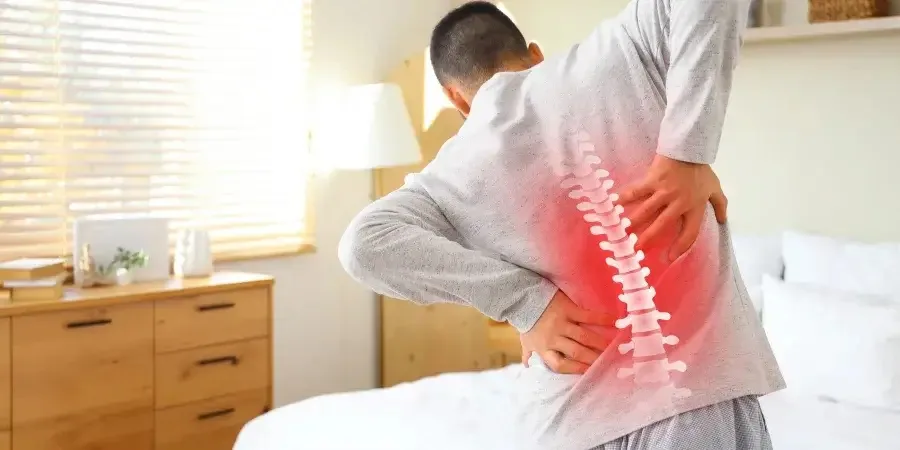
Back pain refers to discomfort, stiffness, or aching sensations anywhere along the spine, from the neck base to the tailbone. It ranges from sharp, localized pain to dull, widespread aching. Upper back pain typically involves the thoracic spine and shoulder blade region. Mid-back pain affects the area between shoulder blades and lower ribs. Lower back pain, the most common type, impacts the lumbar spine and sacral region.

The Anatomy Behind Your Back Pain

Your spine consists of 33 vertebrae cushioned by intervertebral discs that absorb shock and allow movement. These bones protect the spinal cord while supporting your entire body weight.

Surrounding muscles, ligaments, and tendons stabilize the spine during movement. The erector spinae muscles run along your spine’s length, while deeper stabilizers like the multifidus control individual vertebrae.

Nerve roots exit between vertebrae, sending signals throughout your body. When structures compress these nerves, pain can radiate to arms, ribs, or legs. Facet joints between vertebrae enable bending and twisting but can become irritated with overuse or injury.

What Causes Back Pain?

Mechanical Causes:

  • Poor posture during sitting, standing, or sleeping strains spinal structures
  • Muscle strains from lifting heavy objects incorrectly or sudden awkward movements
  • Disc herniation or bulging discs pressing on nearby nerves
  • Degenerative disc disease reducing cushioning between vertebrae

Structural Issues:

  • Facet joint dysfunction causing inflammation and restricted movement
  • Spinal stenosis narrowing the space around the spinal cord
  • Scoliosis or abnormal spinal curvature creating uneven pressure
  • Compression fractures from osteoporosis or trauma

Lifestyle Factors:

  • Prolonged sitting at desks without ergonomic support
  • Repetitive bending, twisting, or overhead reaching at work
  • Lack of core strength allowing excessive spinal movement
  • Carrying heavy bags on one shoulder creating muscular imbalances

Risk Factors for Developing Back Pain

Physical Factors:

  • Sedentary lifestyle weakening core and back muscles
  • Obesity placing excessive load on spinal structures
  • Previous back injuries creating vulnerable areas
  • Physically demanding occupations requiring repetitive lifting or bending

Age-Related Changes:

  • Natural disc degeneration beginning in the 30s
  • Loss of bone density increasing fracture risk
  • Reduced flexibility and muscle strength over time

Health Conditions:

  • Arthritis causing joint inflammation and stiffness
  • Osteoporosis weakening vertebral bones
  • Poor circulation reducing nutrient delivery to spinal tissues
  • Stress and anxiety increasing muscle tension

Occupational Hazards:

  • Prolonged driving or operating heavy machinery
  • Jobs requiring frequent bending, lifting, or twisting
  • Standing on hard surfaces for extended periods
  • Vibration exposure from vehicles or equipment

Common Symptoms of Back Pain

Pain Characteristics:

  • Dull, constant aching localized to one area of the spine
  • Sharp, stabbing sensations with specific movements
  • Burning or tingling radiating into arms, ribs, or legs
  • Morning stiffness improving with gentle movement

Movement Limitations:

  • Difficulty bending forward to tie shoes or pick up objects
  • Pain when twisting to look over your shoulder
  • Inability to stand straight or maintain upright posture
  • Discomfort lying flat requiring pillow support

Associated Symptoms:

  • Muscle spasms or involuntary tightening
  • Weakness in arms or legs affecting grip or walking
  • Numbness or pins-and-needles sensations
  • Fatigue from compensating for pain during daily activities

Complications If Untreated

  • Chronic pain syndrome developing when pain persists beyond three months
  • Progressive muscle weakness and deconditioning from avoiding movement
  • Postural dysfunction creating cascading problems throughout the spine
  • Reduced mobility impacting work capacity and daily independence
  • Depression and anxiety stemming from persistent discomfort
  • Dependence on pain medications with potential side effects

Treatment at Physiocare for Back Pain

At Physiocare, we understand that back pain affects every aspect of your life. Our evidence-based approach combines advanced manual techniques with therapeutic technologies to address the root cause of your discomfort, not just mask symptoms.

How Physiotherapy Helps Manage Back Pain

Physiotherapy restores proper spinal mechanics, reduces inflammation, and strengthens supporting muscles to prevent recurrence. Through hands-on treatment and targeted exercises, we improve tissue healing, enhance flexibility, and retrain movement patterns that contribute to pain.

Our therapists identify biomechanical faults and compensatory patterns, then create personalized programs addressing your specific pain triggers. This comprehensive approach ensures lasting relief rather than temporary fixes.

Our Step-by-Step Approach

  • Assessment: Comprehensive evaluation of posture, movement patterns, strength, and pain triggers to identify the underlying cause.
  • Personalized Plan: Customized treatment strategy combining manual therapy, therapeutic modalities, and progressive exercises tailored to your condition and goals.
  • Evidence-Based Treatment: Application of proven techniques including manual therapy, neuromuscular re-education, and advanced technologies for optimal tissue healing.
  • Recovery & Prevention: Gradual progression to functional activities with education on ergonomics, home exercises, and lifestyle modifications to prevent future episodes.

Advanced Treatments Available for Back Pain

Spinal Manipulation: High-velocity, low-amplitude thrusts restore joint mobility and reduce nerve irritation. This technique releases trapped joints, improves spinal alignment, and provides immediate pain relief for mechanical back pain.

Maitland Mobilizations: Gentle, graded joint movements improve spinal flexibility without forcing structures. These oscillatory techniques reduce stiffness, enhance circulation to injured tissues, and allow pain-free movement restoration.

Mulligan Mobilizations: Combines joint mobilization with active movement, correcting positional faults while you move. This approach restores normal tracking patterns and eliminates pain during functional activities.

Myofascial Release: Sustained pressure releases restrictions in connective tissue surrounding muscles and spine. This technique addresses trigger points, improves tissue extensibility, and reduces referred pain patterns.

Graston Technique (IASTM): Stainless steel instruments detect and treat scar tissue and fascial restrictions. This evidence-based method stimulates healing, breaks down adhesions, and improves tissue quality in chronic back pain.

M2T Blade (IASTM): Advanced instrument-assisted soft tissue mobilization targeting deep fascial layers. This technique enhances blood flow, releases myofascial restrictions, and accelerates tissue regeneration.

Cupping Therapy: Uses negative pressure to lift soft tissues, increasing blood flow, reducing muscle tension, and decreasing inflammation. Cupping promotes tissue healing and provides effective pain relief, particularly for muscular back pain. 

B-Pulse Therapy: Delivers targeted electrical stimulation to activate muscles, improve circulation, and reduce pain. B-Pulse supports muscle re-education, accelerates recovery, and enhances functional movement.

Acupuncture: Involves the insertion of fine needles at specific points to stimulate the nervous system, reduce pain, improve circulation, and restore balance within the body. Effective for both acute and chronic pain conditions.

Dry Needling: Targets myofascial trigger points using thin needles to release muscle tightness, reduce pain, and improve mobility. Particularly beneficial for muscle spasms and persistent musculoskeletal pain. 

Graded Joint Mobilization: A hands-on technique that gently improves joint movement and flexibility through controlled, progressive mobilization. Helps reduce stiffness, restore range of motion, and improve joint function.

Traction Therapy: Applies controlled decompression to the spine or joints to relieve pressure, reduce pain, and improve alignment. Commonly used for disc-related issues, nerve compression, and chronic back or neck pain.

Laser Therapy: Photobiomodulation stimulates cellular repair and reduces inflammation at the source. This painless therapy accelerates healing, decreases pain signals, and enhances tissue recovery without side effects.

TENS (Transcutaneous Electrical Nerve Stimulation): Electrical impulses block pain signals and stimulate endorphin release. TENS provides immediate pain relief, reduces muscle spasms, and allows comfortable participation in therapy.

IFC (Interferential Current): Deep-penetrating electrical currents reduce inflammation and promote tissue healing. This therapy targets deeper structures, improves circulation, and provides effective pain management.

DNS (Dynamic Neuromuscular Stabilization): Restores optimal movement patterns based on developmental kinesiology principles. DNS retrains core stabilization, corrects faulty breathing patterns, and establishes functional spinal control.

Red Cord Therapy (Neurac): Suspension-based neuromuscular activation identifies and corrects movement dysfunction. This approach strengthens deep stabilizers, improves coordination, and restores pain-free functional movement.

Deep Oscillation Therapy (DOT): Electrostatic pulses create gentle tissue oscillation, reducing swelling and pain. DOT accelerates healing, improves lymphatic drainage, and treats both acute and chronic back conditions.

Accu Stim (Microcurrent): Subsensory electrical currents enhance cellular energy production and tissue repair. This therapy reduces inflammation at the cellular level, promotes healing, and provides cumulative pain relief.

Dolphin Neurostim (Microcurrent): Targets trigger points and nerve pathways with concentrated microcurrent. This technique releases stubborn muscle knots, reduces nerve hypersensitivity, and provides immediate functional improvement.

NIS (Neuro Integration System): Corrects neurological dysfunction affecting muscle activation and pain perception. NIS addresses the communication breakdown between brain and body, restoring optimal function.

Radio Frequency Therapy (StimPod): Electromagnetic stimulation enhances neuromuscular function and reduces pain. This advanced therapy improves muscle coordination, releases tension, and accelerates recovery.

EMTT (Storz Extracorporeal Magnetotransduction Therapy): High-energy electromagnetic pulses stimulate cellular metabolism and tissue regeneration. EMTT provides powerful anti-inflammatory effects, enhances circulation, and treats chronic, difficult-to-resolve back pain.

Location-Specific Treatment Options

Physiocare Physiotherapy & Rehab Centre - Nepean

  • Spinal Manipulation
  • Myofascial Release
  • Graston (IASTM)
  • Cupping
  • Laser
  • TENS
  • IFC
  • Red Cord Therapy (Neurac)
  • DOT (Deep Oscillation Therapy)
  • Accu Stim (microcurrent)
  • Dolphin Neurostim (microcurrent)
  • Radio Frequency (StimPod)

Physiocare Physiotherapy & Rehab Centre - Carling

  • Myofascial Release
  • Cupping
  • Laser
  • TENS
  • IFC
  • DOT (Deep Oscillation Therapy)
  • Accu Stim (microcurrent)
  • Dolphin Neurostim (microcurrent)
  • Radio Frequency (StimPod)

Physiocare Physiotherapy & Rehab Centre - Westboro

  • Myofascial Release
  • Cupping
  • Laser
  • TENS
  • IFC
  • DNS (Dynamic Neuromuscular Stabilization)
  • DOT (Deep Oscillation Therapy)
  • Accu Stim (microcurrent)
  • Dolphin Neurostim (microcurrent)
  • Radio Frequency (StimPod)

Physiocare Physiotherapy & Rehab Centre - Kanata

  • Myofascial Release
  • Cupping
  • Laser
  • TENS
  • IFC
  • DNS (Dynamic Neuromuscular Stabilization)
  • Red Cord Therapy (Neurac)
  • DOT (Deep Oscillation Therapy)
  • Accu Stim (microcurrent)
  • Dolphin Neurostim (microcurrent)
  • Radio Frequency (StimPod)
  • EMTT (Storz)

Physiocare Physiotherapy & Rehab Centre - Stittsville

  • Spinal Manipulation
  • Myofascial Release
  • Cupping
  • Laser
  • TENS
  • IFC
  • DNS (Dynamic Neuromuscular Stabilization)
  • DOT (Deep Oscillation Therapy)
  • Accu Stim (microcurrent)
  • Dolphin Neurostim (microcurrent)
  • Radio Frequency (StimPod)

Physiocare Physiotherapy & Rehab Centre - Barrhaven

  • Spinal Manipulation
  • Myofascial Release
  • Cupping
  • Laser
  • TENS
  • IFC
  • Accu Stim (microcurrent)
  • Dolphin Neurostim (microcurrent)

Physiocare Physiotherapy & Rehab Centre - South Keys

  • Myofascial Release
  • Cupping
  • Laser
  • TENS
  • IFC
  • DOT (Deep Oscillation Therapy)
  • Accu Stim (microcurrent)
  • Dolphin Neurostim (microcurrent)
  • Radio Frequency (StimPod)

Why Choose Physiocare for Back Pain?

Our therapists hold advanced certifications in manual therapy, neuromuscular rehabilitation, and specialized techniques rarely found elsewhere. We combine evidence-based traditional physiotherapy with cutting-edge technologies, ensuring you receive the most effective treatment available.

With six convenient locations across Ottawa, we make quality back pain care accessible when and where you need it. As a trusted, we’re committed to helping you return to pain-free living through personalized, compassionate care that addresses your unique needs.

Frequently Asked Questions About Back Pain

Treatment is tailored to your comfort level. While some techniques may cause brief discomfort, we adjust intensity to ensure tolerable, therapeutic experiences that promote healing.

Previous experiences may have lacked comprehensive assessment or advanced techniques. Our multidisciplinary approach and specialized technologies often succeed where traditional methods haven't.

No referral is required in Ontario. You can book directly with our physiotherapists, who are primary healthcare providers qualified to assess and treat back pain.

Many patients experience relief within 2-3 sessions. Significant improvement typically occurs within 4-6 weeks, though chronic conditions may require longer treatment for lasting results.

Yes. Even long-standing back pain responds to comprehensive physiotherapy. We address underlying dysfunction, break pain cycles, and restore function that improves quality of life significantly.

Gentle movement is typically better than complete rest. We'll guide you on appropriate activity levels and provide exercises that promote healing without aggravating your condition.

Most back pain resolves with conservative physiotherapy treatment. Surgery is rarely necessary and usually considered only after exhausting non-surgical options, which we provide comprehensively.

Yes. Spinal dysfunction can cause referred pain, postural compensation, and movement limitations affecting shoulders, hips, and legs. We address these interconnected issues holistically.

We provide education on posture, ergonomics, and home exercises strengthening core stabilizers. Regular maintenance and lifestyle modifications significantly reduce recurrence risk.

Most extended health plans cover physiotherapy. We can direct bill many insurance providers and provide receipts for reimbursement. Contact us to discuss your specific coverage.

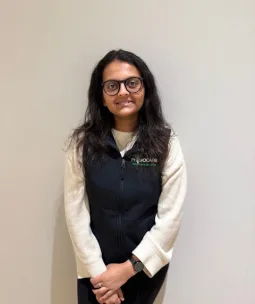
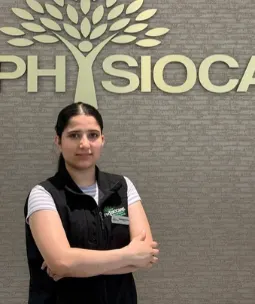
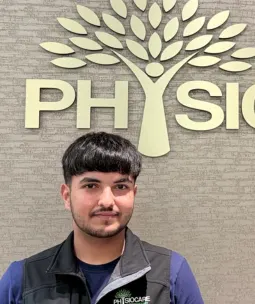
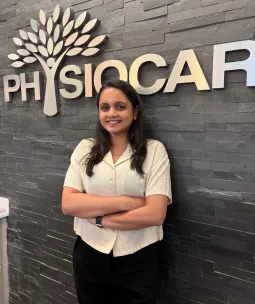
Our Professional Team at Physiocare

Healing Hands, Happy Hearts: What Our Patients Say

Citations and References

  1. Chou, R., et al. (2017). “Nonpharmacologic Therapies for Low Back Pain: A Systematic Review for an American College of Physicians Clinical Practice Guideline.” Annals of Internal Medicine, 166(7), 493-505. DOI: 10.7326/M16-2459
  2. Mayo Clinic. (2024). “Back Pain: Symptoms and Causes.” Retrieved from https://www.mayoclinic.org/diseases-conditions/back-pain/symptoms-causes/syc-20369906
  3. Physiopedia. (2024). “Low Back Pain.” Retrieved from https://www.physio-pedia.com/Low_Back_Pain
  4. Canadian Chiropractic Association. (2023). “Clinical Practice Guideline: Management of Acute and Chronic Low Back Pain.” Journal of the Canadian Chiropractic Association, 67(3), 220-245.
  5. Qaseem, A., et al. (2017). “Noninvasive Treatments for Acute, Subacute, and Chronic Low Back Pain: A Clinical Practice Guideline From the American College of Physicians.” Annals of Internal Medicine, 166(7), 514-530. DOI: 10.7326/M16-2367
Request Appointment

Register for Event

Please fill the form below to book your slot for the event

This will close in 0 seconds

Call Now Button