Physiocare Physiotherapy & Rehab Centre Ottawa
Now Open: Our 8th Location in
South Keys!
Acupuncture: How It Works, Uses, Benefits, and Risks
At Physiocare, we don’t believe in one-size-fits-all treatment. Everybody tells a different story, and as physiotherapy experts, our role is to listen carefully. By blending evidence-based physiotherapy with complementary techniques, we aim to support your body’s natural ability to heal. One such powerful and well-researched approach is acupuncture.
Although acupuncture has ancient roots, its modern use in physiotherapy is firmly grounded in science. Today, many patients in Ottawa choose acupuncture as part of their rehabilitation because it helps reduce pain, restore movement, and improve overall quality of life—often when other methods alone are not enough.
What Is Acupuncture?
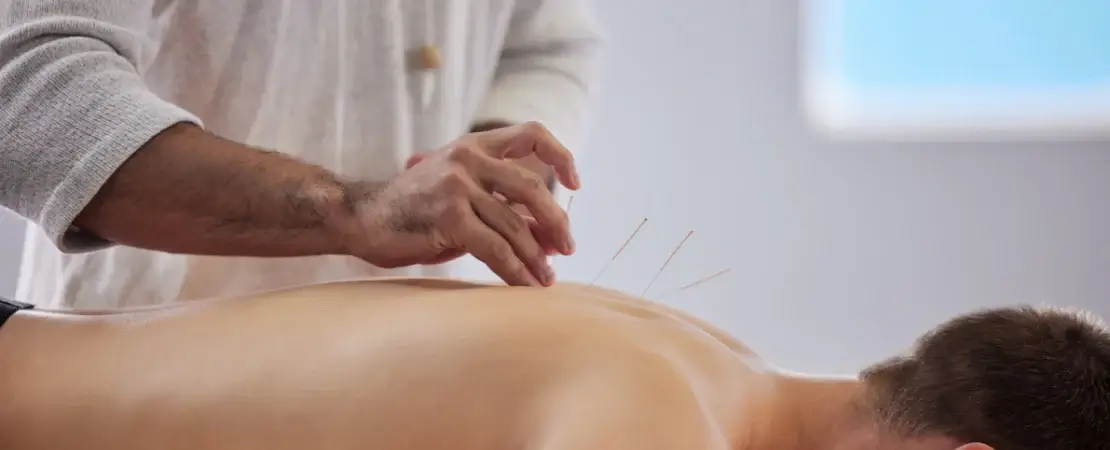
Acupuncture involves the insertion of very fine, sterile, single-use needles into specific points on the body. In physiotherapy, these points are often related to muscle trigger points, irritated nerves, or areas of reduced blood flow identified during a clinical assessment.
Unlike traditional explanations that focus on the flow of “Qi,” Western medical acupuncture is based on anatomy, neurophysiology, and pain science. It focuses on how needling stimulates the nervous system, muscles, and connective tissues to promote healing and pain relief.
In simple terms: the needle acts as a precise signal to your body, reminding it how to relax, repair, and recover.
How Acupuncture Works – The Science Behind It
From a physiotherapy and neuroscience perspective, acupuncture works through multiple proven mechanisms:
1. Pain Modulation
Research shows that acupuncture stimulates sensory nerve fibers, sending signals to the brain and spinal cord. This leads to the release of endorphins, serotonin, and enkephalins—your body’s natural painkillers. Systematic reviews published in journals such as Pain and The BMJ confirm acupuncture’s effectiveness in managing both acute and chronic pain.
2. Muscle Relaxation and Trigger Point Release
Needling tight or overactive muscles helps disrupt the pain–spasm–pain cycle, allowing muscles to relax. Studies in The Journal of Orthopaedic & Sports Physical Therapy (JOSPT) have shown that dry needling can significantly reduce muscle stiffness and improve range of motion.
3. Improved Blood Flow and Tissue Healing
Acupuncture increases local microcirculation, improving oxygen and nutrient delivery to injured tissues. This supports faster healing, especially in tendinopathies and muscle strains.
4. Nervous System Regulation
Acupuncture has been shown to influence the autonomic nervous system, helping shift the body from a stressed “fight-or-flight” state to a calmer “rest-and-repair” mode. This is particularly helpful for stress-related pain and chronic conditions.
Common Uses of Acupuncture in Physiotherapy
At Physiocare, acupuncture is used as part of a comprehensive physiotherapy plan, not as a standalone treatment. It is commonly recommended for:
- Back, neck, and shoulder pain
- Sports injuries (muscle strains, ligament injuries, tendinopathies)
- Arthritis and joint stiffness
- Headaches and migraines
- Postural tension and work-related pain
- Chronic pain conditions such as fibromyalgia
Patients seeking acupuncture therapy in Ottawa often benefit the most when acupuncture is combined with exercise therapy, manual therapy, and posture correction.
Benefits of Acupuncture
Many patients describe acupuncture as a turning point in their recovery—not because it’s a “quick fix,” but because it helps the body respond better to treatment. Benefits may include:
- Reduced pain and inflammation
- Improved joint mobility and muscle flexibility
- Faster recovery from injury
- Better sleep quality and relaxation
- Reduced dependence on pain medication
- Enhanced overall physical and mental well-being
By addressing both the physical tissues and the nervous system, acupuncture supports long-term functional improvement—not just temporary relief.
Risks and Safety Considerations
When performed by a trained and licensed physiotherapist, acupuncture is extremely safe. Large-scale studies report very low complication rates. Possible minor side effects include:
- Mild soreness or bruising at needle sites
- Temporary fatigue or lightheadedness
- Rare minor bleeding
At Physiocare, all treatments are performed using sterile, single-use needles by certified physiotherapists, following strict clinical safety standards.
Acupuncture as Part of Your Physiocare Treatment Plan
Your body deserves a thoughtful, personalized approach. Before recommending acupuncture, your physiotherapist will complete a detailed assessment to ensure it’s appropriate for your condition, goals, and medical history.
For many patients in Ottawa, combining acupuncture with physiotherapy exercises, hands-on treatment, and education leads to better outcomes—and more confidence in their recovery.
In Summary
Acupuncture is a scientifically supported, safe, and effective treatment when delivered by skilled physiotherapists. Whether you’re managing chronic pain, recovering from an injury, or dealing with persistent muscle tension, acupuncture can play a valuable role in restoring movement, comfort, and control over your body.
Interested in learning more or booking a session?
Contact Physiocare Physiotherapy Clinic in Ottawa today and discover how acupuncture can enhance your personalized physiotherapy journey.
FAQs:
Most patients feel little to no pain. You may experience a mild ache, warmth, or heaviness, which is a normal and therapeutic response.
This depends on your condition, severity, and goals. Some patients notice improvement within 1–3 sessions, while chronic conditions may require more.
Yes. High-quality research and clinical guidelines support acupuncture for pain management, musculoskeletal conditions, and chronic pain.
Dry needling focuses on muscles and trigger points using modern anatomy and pain science, while traditional acupuncture follows meridian-based principles.
Absolutely. In fact, combining acupuncture with exercise and manual therapy often produces better and longer-lasting results.
Most people can safely receive acupuncture. Your physiotherapist will screen for conditions where modifications or alternatives are needed.
Some patients feel immediate relief, while others notice gradual improvement over the next 24–72 hours as the body responds to treatment.
Categories
About the Author

Prateeksha Viradiya
Certified in Pelvic Floor, Acupuncture, Certified ROST Therapist | RAPID Treatment Specialist at Physiocare Physiotherapy and Rehab Centre
View Full Bio
Ask Our Physiotherapist for More Information
Subscribe To Our Newsletter
Your health is our priority, and we’re committed to partnering with you to achieve your optimal wellness.