
Radial Collateral Ligament Sprain: Physiotherapy Treatment Guide Ottawa
A radial collateral ligament (RCL) sprain is a common—and commonly overlooked—cause of pain on the outer side of the elbow.
Physiocare Physiotherapy & Rehab Centre Ottawa

A radial collateral ligament (RCL) sprain is a common—and commonly overlooked—cause of pain on the outer side of the elbow.

A medial collateral ligament (MCL) sprain—also called an ulnar collateral ligament (UCL) sprain—causes pain along the inside of the elbow. Many people first notice it during seemingly ordinary tasks: lifting groceries, gripping a doorhandle, throwing a ball, or simply pushing themselves up from a chair.

Visual Snow Syndrome (VSS) is a complex neurological condition that causes persistent visual disturbances, most commonly described as seeing static or “snow” across the entire visual field — similar to an untuned television screen. While VSS is primarily neurological in origin, many individuals also live with a challenging cluster of co-occurring symptoms: neck pain, chronic headaches, dizziness, visual fatigue, and a nervous system that feels perpetually on high alert.
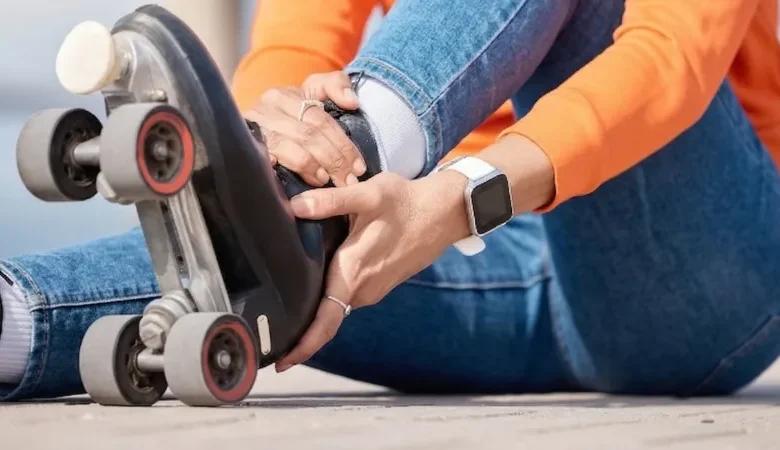
Figure skating is a breathtaking blend of athleticism, artistry, and precision. Behind the elegance of jumps, spins, and intricate footwork lies an extraordinary physical demand on the body. From explosive take-offs to high-impact single-leg landings and extreme ranges of motion, figure skaters face a remarkably wide spectrum of injury risks. This is exactly where physiotherapy plays an indispensable role — not just in recovery, but in proactive injury prevention and long-term performance optimization.
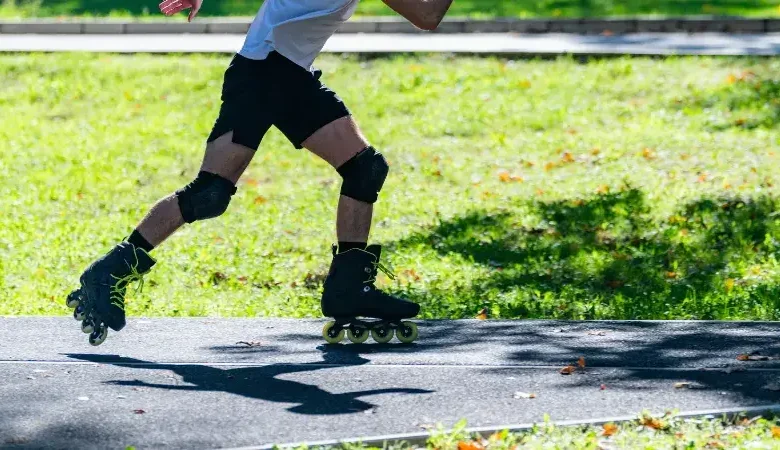
Figure skating is a sport that demands exceptional control, strength, and precision. While injuries to the ankles, knees, hips, and back are commonly discussed in athletic literature, the pelvic floor remains a critically overlooked system
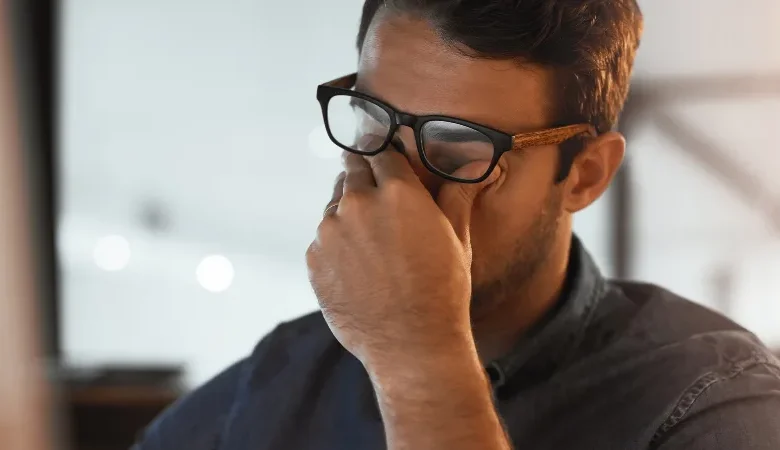
Concussions are often dismissed as a straightforward “head injury,” but their effects extend well beyond the familiar headaches and dizziness. One lesser-known yet deeply impactful consequence is Post-Traumatic Vision Syndrome (PTVS) — a condition that can quietly derail someone’s ability to work, study, drive, or simply move through daily life.

This is one of the most common concerns we hear from patients at Physiocare Physiotherapy.
And it’s completely understandable.
When pain returns after treatment, it can feel discouraging. You may begin to question whether physiotherapy is right for you.

If you’ve ever experienced nagging shoulder pain that makes reaching overhead, lifting your arm, or even sleeping uncomfortable, you’re not alone. As a licensed physiotherapist, one of the most common shoulder conditions I assess is a rotator cuff strain.


Please fill the form below to book your slot for the event
This will close in 0 seconds