Physiocare Physiotherapy & Rehab Centre Ottawa
Now Open: Our 8th Location in
South Keys!
Holistic Sports Medicine: The Mind–Body Approach to Athletic Recovery
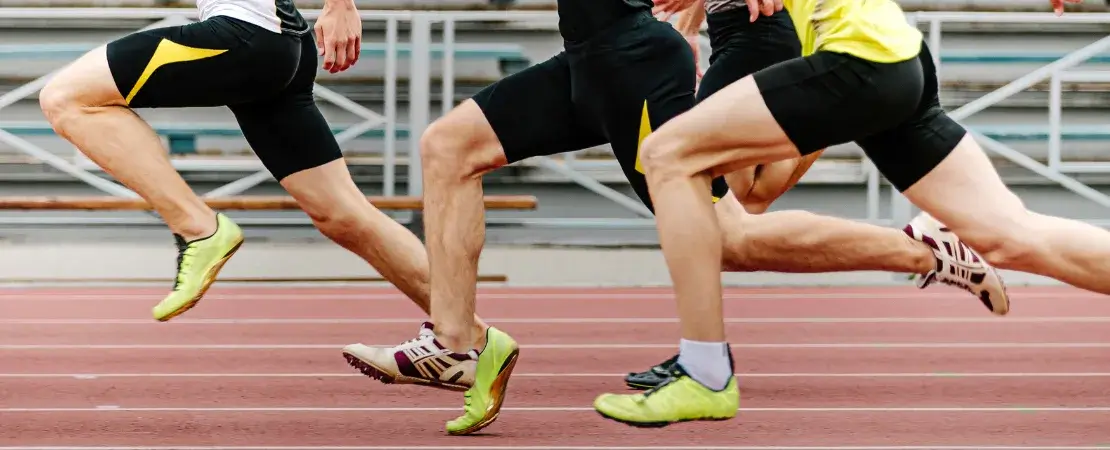
At Physiocare, we understand that true athletic recovery is not just about fixing muscles or calming painful joints—it’s about restoring balance within the entire human system. Whether you’re a weekend runner pushing personal limits, a committed gym-goer chasing consistency, or a competitive athlete aiming for peak performance, recovery is never purely physical.
Athletes in Ottawa often come to us frustrated—not because they’re not training hard, but because their body isn’t responding the way they expect. This is where holistic sports medicine changes the game. It recognizes that healing happens when the body and mind work together, not in isolation.
What Is Holistic Sports Medicine?
Holistic sports medicine combines evidence-based physiotherapy and sports science with approaches that address mental focus, emotional resilience, lifestyle habits, and nervous system regulation.
Rather than asking only “Where does it hurt?”, we ask deeper questions:
- Why did the injury occur?
- How is stress influencing muscle tension and movement?
- Is poor sleep or mental fatigue slowing recovery?
At Physiocare, our clinicians assess posture, biomechanics, movement patterns, breathing efficiency, recovery habits, and psychological readiness to return to sport. This whole-person approach reflects modern research showing that injury recovery outcomes improve when physical rehabilitation is paired with mental and lifestyle support—an approach increasingly adopted by leading physio clinics in Ottawa and elite sports programs worldwide.
The Mind–Body Connection in Athletic Recovery
Scientific research now strongly supports the mind–body relationship in rehabilitation and performance. Here’s how it directly impacts recovery:
Stress and Tissue Healing
Chronic stress elevates cortisol levels, which research has shown can slow collagen synthesis and tissue repair while increasing inflammation. Studies published in The Journal of Sports Sciences highlight that relaxation techniques, breath control, and mindfulness practices help regulate the autonomic nervous system—supporting faster healing and reduced pain sensitivity.
Pain Perception and Confidence
Pain is not only a physical signal—it’s processed and influenced by the brain. Contemporary pain science research shows that addressing fear, anxiety, and pain-related beliefs can significantly improve movement confidence and functional outcomes. Athletes who understand pain often recover faster and move with greater freedom.
Movement Control and Focus
Mental fatigue affects coordination, reaction time, and muscle activation. Neuromuscular re-education and guided visualization—techniques supported by recent sports neuroscience studies—help re-establish efficient movement patterns after injury.
Motivation and Recovery Adherence
Rehabilitation can be emotionally demanding. Evidence suggests athletes who receive education, goal-setting guidance, and psychological support are more likely to stay consistent with rehab programs and return to sport successfully.
The Holistic Physiocare Approach to Sports Medicine
Our physiotherapists blend clinical expertise with holistic care principles to support recovery at every level. A personalized holistic sports medicine program at Physiocare may include:
- Evidence-based physiotherapy and manual therapy for injury rehabilitation
- Progressive exercise programs to restore strength, mobility, balance, and control
- Breathwork and nervous system regulation techniques to manage stress and improve focus
- Sleep and recovery education to enhance tissue repair and energy levels
- Mindset coaching to rebuild confidence and reduce fear of re-injury
- Acupuncture or dry needling to reduce pain and muscle guarding
- Functional movement screening and injury prevention strategies
Every plan is individualized—because your sport, body, mindset, and life demands are unique. This personalized care is what athletes expect when searching for trusted physio in Ottawa who truly understands recovery beyond exercises alone.
Benefits of a Mind–Body Approach to Sports Medicine
A holistic approach doesn’t just heal injuries—it transforms the athlete’s relationship with their body. Key benefits include:
- Faster, more sustainable recovery
- Improved movement efficiency and biomechanics
- Reduced risk of recurring injuries
- Better stress regulation and emotional resilience
- Enhanced focus, motivation, and performance consistency
- Improved overall well-being and long-term athletic longevity
By addressing both physical and psychological factors, athletes don’t just return to sport—they return stronger, smarter, and more self-aware.
Is Holistic Sports Medicine Right for You?
If you’re dealing with recurring injuries, unexplained pain, slow recovery, or mental blocks after injury, a holistic approach may be the missing piece. At Physiocare, we take time to understand your goals, training demands, lifestyle, and mindset—creating a recovery plan that supports your whole-body health and long-term performance.
The Takeaway
Athletic recovery is not about chasing quick fixes—it’s about restoring harmony between the body and mind. Holistic sports medicine empowers athletes to heal with intention, train with awareness, and perform with confidence.
At Physiocare, our mission is to help you move beyond pain, rebuild trust in your body, and reach your full potential—physically, mentally, and emotionally.
FAQs:
Holistic sports medicine treats the entire person, not just the injured area. It combines physical rehabilitation with mental, emotional, and lifestyle support to improve recovery outcomes.
Yes. Recent studies in sports medicine and pain science show that integrating stress management, education, and psychological support improves recovery speed, movement quality, and injury prevention.
Absolutely. Recurring injuries often stem from movement imbalances, stress, fatigue, or poor recovery habits—all of which are addressed in a holistic approach.
Not at all. Weekend warriors, fitness enthusiasts, and recreational athletes often benefit just as much as competitive athletes.
While it’s not psychotherapy, holistic physiotherapy addresses mindset, stress, fear of movement, and confidence—key factors in successful rehabilitation.
Recovery timelines vary, but many athletes experience more consistent progress and fewer setbacks because root causes are addressed—not just symptoms.
Yes. By improving movement efficiency, recovery habits, and body awareness, holistic care significantly reduces injury recurrence and supports long-term athletic health.
Categories
About the Author

Prateeksha Viradiya
Certified in Pelvic Floor, Acupuncture, Certified ROST Therapist | RAPID Treatment Specialist at Physiocare Physiotherapy and Rehab Centre
View Full Bio
Ask Our Physiotherapist for More Information
Subscribe To Our Newsletter
Your health is our priority, and we’re committed to partnering with you to achieve your optimal wellness.