Physiocare Physiotherapy & Rehab Centre Ottawa
Now Open: Our 8th Location in
South Keys!
The Science Behind Lymphatic Drainage: A Gentle Way to Support Your Body’s Natural Healing
Our bodies are constantly healing, adapting, and protecting us — often without us even noticing. One of the quiet heroes behind this process is the lymphatic system. Though it doesn’t get the attention that muscles or joints do, it plays a vital role in keeping us energized, resilient, and balanced.
When lymphatic flow slows down, many people describe a heavy, puffy, or sluggish feeling. Swelling lingers longer, recovery feels delayed, and the body just doesn’t feel quite right. This is where lymphatic drainage therapy offers gentle but powerful support.
At PhysioCare, lymphatic drainage is provided by both qualified physiotherapists and experienced massage therapists. This collaborative approach blends clinical expertise with restorative touch — helping patients in Ottawa support healing in a way that feels calm, safe, and deeply nurturing.
Understanding the Lymphatic System
The lymphatic system is a key part of both your circulatory and immune systems. Unlike blood circulation, which is powered by the heart, lymphatic flow relies on movement, breathing, and gentle stimulation to function efficiently.
The Anatomy of the Lymphatic System
It includes:
- Lymph: A clear fluid carrying waste products, excess proteins, and immune cells
- Lymphatic Vessels: Fine channels that transport lymph throughout the body
- Lymph Nodes: Small, bean-shaped filters that trap bacteria, viruses, and harmful substances
- Organs and Tissues: Such as the spleen, thymus, tonsils, and bone marrow, which help produce and regulate immune cells
Together, these components quietly protect your internal environment — every single day.
Functions of the Lymphatic System
The lymphatic system supports several essential processes:
- Waste and Toxin Removal: Clears metabolic waste from tissues
- Fluid Balance: Prevents fluid accumulation and swelling
- Immune Defense: Filters pathogens and activates immune responses
- Fat Absorption: Helps absorb fats and fat-soluble vitamins from digestion
When this system is compromised — due to surgery, injury, chronic stress, inflammation, or illness — lymph can stagnate, leading to swelling, fatigue, and discomfort.
What Is Lymphatic Drainage Therapy?
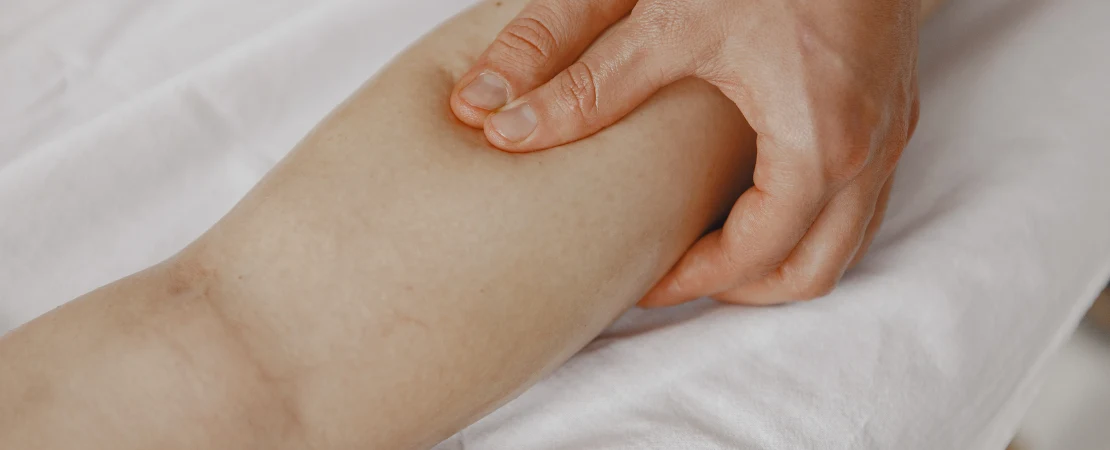
Manual Lymphatic Drainage (MLD) is a specialized, light-touch technique designed to stimulate lymph flow and improve drainage. The movements are slow, rhythmic, and intentional — very different from deep tissue massage.
At PhysioCare, therapists trained in evidence-based MLD techniques focus on:
- Reducing swelling and inflammation
- Supporting post-surgical and injury recovery
- Enhancing circulation and tissue health
- Assisting immune system efficiency
- Calming the nervous system and reducing stress
Many patients describe sessions as deeply relaxing — almost meditative — while still being clinically effective.
The Science Behind Lymphatic Drainage
Modern research continues to validate the benefits of lymphatic drainage:
- Reduces Swelling and Enhances Tissue Healing
Recent clinical studies show MLD can significantly reduce post-operative edema, bruising, and pain, particularly following orthopedic and cancer-related surgeries. - Supports Immune Function
By improving lymph transport, MLD helps immune cells circulate more efficiently. A 2022 review highlighted its role in modulating inflammatory responses and supporting immune recovery. - Assists Natural Detoxification
Rather than “detoxing” in a trendy sense, lymphatic drainage enhances the body’s natural waste-removal mechanisms — helping patients feel lighter and less congested. - Improves Athletic Recovery
Athletes increasingly use MLD to reduce delayed-onset muscle soreness (DOMS), improve circulation, and accelerate recovery after intense training. - Enhances Skin Health and Fluid Balance
Improved lymph flow can reduce puffiness, support healthier skin tone, and improve overall tissue quality.
These benefits make lymphatic drainage a valuable therapeutic option when guided by a physiotherapist in Ottawa who understands both anatomy and clinical indications.
Who Can Benefit from Lymphatic Drainage?
Lymphatic drainage may help individuals experiencing:
- Post-surgical swelling
- Lymphedema
- Chronic fatigue or immune challenges
- Fluid retention or bloating
- Sinus congestion or facial puffiness
- Stress-related tension and nervous system overload
Each treatment is adapted to the person — not just the condition.
Lymphatic Drainage at PhysioCare
At PhysioCare, our physiotherapists and massage therapists work collaboratively to ensure lymphatic drainage sessions are both safe and effective. Every treatment plan is individualized, whether you’re recovering from surgery, managing a chronic condition, or simply supporting overall wellbeing in Ottawa.
Patients can expect a gentle, unhurried experience that respects the body’s natural rhythms — leaving them feeling lighter, calmer, and more balanced.
Supporting Your Body’s Natural Balance
Your lymphatic system never stops working for you — but at times, it benefits from intentional support. Lymphatic drainage offers a clinically grounded, gentle way to enhance healing, improve circulation, and restore balance.
If you’re curious about whether lymphatic drainage is right for you, the team at PhysioCare is here to guide you with care, clarity, and expertise.
References
- Kasseroller, R. G. (1998). Manual lymph drainage according to Vodder in lymphedema therapy. Journal of Manual & Manipulative Therapy.
- Leduc, O., & Leduc, A. (2000). The physical treatment of upper limb edema. Cancer, 83(S12B), 2835–2839.
- Ramos, M. C. et al. (2022). Manual lymphatic drainage and its effects on immune modulation and recovery. Clinical Rehabilitation.
FAQs:
Lymphatic drainage uses very light, rhythmic movements designed to stimulate lymph flow rather than muscles. Unlike deep tissue massage, it focuses on fluid movement, immune support, and nervous system calming.
Yes. Clinical studies have shown that Manual Lymphatic Drainage (MLD) can reduce swelling, improve post-surgical recovery, support immune function, and aid circulation when performed by trained professionals.
The number of sessions depends on the condition being treated. Some people notice relief after one session, while post-surgical swelling or lymphedema may require a structured treatment plan over several weeks.
Lymphatic drainage may not be suitable for individuals with acute infections, untreated cancer, blood clots, or certain heart conditions. A physiotherapist assessment is essential before starting treatment.
Yes. Lymphatic drainage is commonly used after surgeries to reduce swelling, bruising, and discomfort, while also supporting faster tissue healing and improved mobility.
Absolutely. The gentle techniques used in lymphatic drainage help calm the nervous system, which can reduce stress, improve sleep quality, and ease fatigue related to lymphatic congestion.
At PhysioCare, lymphatic drainage is performed by trained physiotherapists and experienced massage therapists who understand anatomy, medical conditions, and safe therapeutic techniques.
Categories
About the Author

Prateeksha Viradiya
Certified in Pelvic Floor, Acupuncture, Certified ROST Therapist | RAPID Treatment Specialist at Physiocare Physiotherapy and Rehab Centre
View Full Bio
Ask Our Physiotherapist for More Information
Subscribe To Our Newsletter
Your health is our priority, and we’re committed to partnering with you to achieve your optimal wellness.