Physiocare Physiotherapy & Rehab Centre Ottawa
Now Open: Our 8th Location in
South Keys!
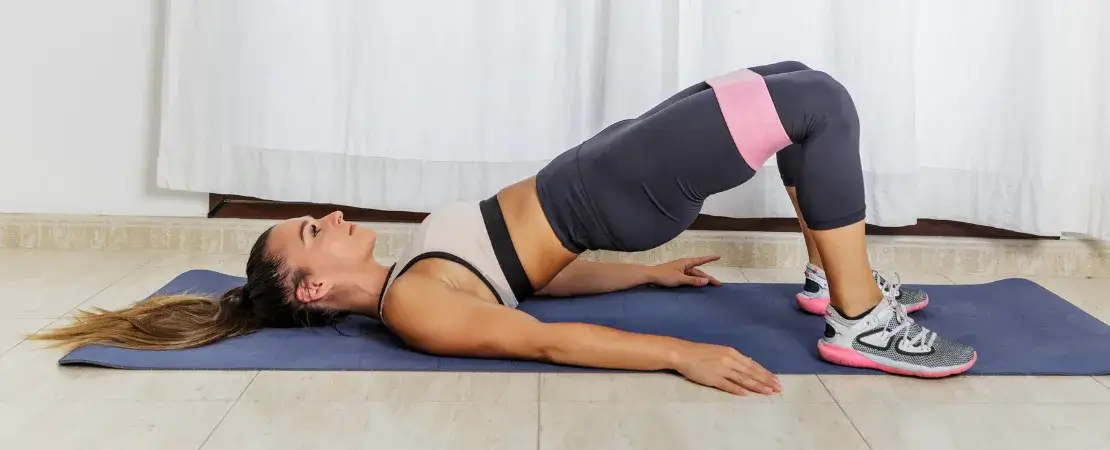
Kegel Exercises: Benefits, How to Do Them & Expected Results
Kegel exercises may look simple, but in physiotherapy practice, we see their impact every single day. From new mothers regaining confidence after childbirth to men improving bladder control after prostate surgery, strengthening the pelvic floor can be truly life-changing.
At PhysioCare Physiotherapy and Rehab Centre, we don’t see Kegels as “just exercises.” We see them as a foundation — a quiet but powerful support system for your bladder, spine, posture, and overall well-being. When guided correctly by a physiotherapist in Ottawa, Kegel exercises can restore function, dignity, and confidence.
What Are Kegel Exercises?
Kegel exercises strengthen the pelvic floor muscles, which support the bladder, uterus (in women), prostate (in men), and rectum. These muscles play a vital role in continence, sexual health, and core stability.
First introduced by Dr. Arnold Kegel in the 1940s, these exercises are now backed by decades of scientific research. Recent studies published in the International Urogynecology Journal (2023) confirm that properly supervised pelvic floor muscle training significantly reduces urinary incontinence and pelvic organ prolapse symptoms in both women and men.
Beyond support, the pelvic floor acts as a muscle pump. Rhythmic contraction and relaxation improve blood and lymphatic circulation in the pelvis and lower abdomen, promoting tissue health and reducing pelvic congestion — an often overlooked but critical benefit.
Benefits of Kegel Exercises
When done correctly and consistently, Kegel exercises offer both immediate and long-term benefits:
✔ Improved Bladder Control
- Reduces stress and urge urinary incontinence
- Especially effective after childbirth, pelvic surgery, or prostate procedures
- Supported by a 2022 Cochrane Review showing pelvic floor training as first-line treatment for incontinence
✔ Enhanced Sexual Health
- Improves sensation and arousal in women
- Supports erectile function and ejaculatory control in men
- Strengthens neuromuscular coordination in the pelvic region
✔ Pregnancy & Postpartum Support
- Restores muscles stretched during pregnancy
- Reduces risk of pelvic organ prolapse
- Helps new mothers feel strong and confident again
✔ Core & Pelvic Stability
- Supports the lower spine and deep core muscles
- Improves posture and functional movement
- Essential for people with low back pain
✔ Improved Circulation & Tissue Health
- Pelvic floor contractions act as a lymphatic pump
- Enhances blood flow and reduces pelvic heaviness
How to Perform Kegel Exercises Correctly
Technique matters more than effort. Incorrect Kegels can worsen symptoms, which is why guidance from a trained physiotherapist is essential.
Step-by-Step Guide:
- Identify the Right Muscles
Try stopping urine mid-flow once to identify the pelvic floor muscles.
This is only for identification — do not practice regularly during urination. - Contract and Hold
Gently lift and tighten the pelvic floor muscles for 3–5 seconds. - Relax Fully
Release completely for 3–5 seconds. - Repeat
Start with 10 repetitions, 3 times a day.
Gradually increase the hold to 8–10 seconds as strength improves.
Professional Tips:
- Do not squeeze your abdomen, thighs, or buttocks
- Breathe normally — no breath holding
- Quality beats quantity
Most people begin noticing changes within 4–8 weeks.
Who May Not Benefit From Traditional Kegels?
Kegels are not suitable for everyone.
Individuals with:
- Overactive or tight pelvic floor muscles
- Chronic pelvic pain
- Pain during intercourse
- Persistent symptoms despite exercise
may actually worsen symptoms if exercises are done incorrectly.
A pelvic health physiotherapist in Ottawa can assess whether your pelvic floor is weak, tight, or uncoordinated — and design a program tailored specifically for you.
How the B Pulse Chair Supports Pelvic Floor Training
For patients who struggle to identify or activate their pelvic floor muscles, the B Pulse Chair offers a safe, guided solution.
This advanced technology uses gentle vibratory stimulation to:
- Activate deep pelvic floor muscles
- Improve muscle awareness
- Provide feedback for correct engagement
It is especially helpful for:
- Beginners
- Postpartum recovery
- Neuromuscular re-education after surgery
When combined with physiotherapist supervision, the B Pulse Chair enhances safety, effectiveness, and confidence.
How Long Does It Take to See Results?
Clinical evidence and patient experience show:
- Bladder control improvements in 4–6 weeks
- Core stability and endurance in 6–8 weeks
- Sexual health benefits may take longer depending on individual strength and consistency
Consistency, correct technique, and professional guidance make all the difference.
Final Thoughts
Kegel exercises may be small movements, but their impact is profound. They support your bladder, spine, posture, circulation, and quality of life. When guided by an experienced physiotherapist in Ottawa, they become a precise, powerful tool for long-term pelvic health.
At PhysioCare Physiotherapy and Rehab Centre, we combine evidence-based care, advanced tools, and compassionate guidance to help our patients in Ottawa regain strength and confidence from the inside out.
Start today — your future self will thank you.
FAQs:
Kegel exercises are used to strengthen the pelvic floor muscles. They help improve bladder control, support pelvic organs, enhance sexual health, and stabilize the core.
Most people notice improvements in bladder control and pelvic stability within 4 to 6 weeks when exercises are done correctly and consistently.
Yes. Kegel exercises are highly beneficial for men. They help with bladder control, erectile function, and recovery after prostate surgery.
Yes. Incorrect technique or doing Kegels with a tight pelvic floor can worsen symptoms. That’s why consulting a trained pelvic health physiotherapist is recommended.
A common starting point is 10 repetitions, three times a day. Your physiotherapist may adjust this based on your pelvic floor strength and symptoms.
While basic Kegels can be learned at home, working with a physiotherapist in Ottawa ensures correct muscle activation, prevents strain, and improves long-term results.
The B Pulse Chair is a guided pelvic floor therapy tool that uses gentle stimulation to activate muscles. It helps people who struggle to feel or engage their pelvic floor correctly.
Categories
About the Author

Prateeksha Viradiya
Certified in Pelvic Floor, Acupuncture, Certified ROST Therapist | RAPID Treatment Specialist at Physiocare Physiotherapy and Rehab Centre
View Full Bio
Ask Our Physiotherapist for More Information
Subscribe To Our Newsletter
Your health is our priority, and we’re committed to partnering with you to achieve your optimal wellness.