Physiocare Physiotherapy & Rehab Centre Ottawa
Now Open: Our 8th Location in
South Keys!
Updated on August 6, 2026

Written By
Prateeksha Viradiya
Resident Physiotherapist
Specializes in Aquatic Rehab and is a Certified Aquafit Instructor.
Specializes in Aquatic Rehab and is a Certified Aquafit Instructor.

✓ Clinically Reviewed By:
Gunjan Vermani
Director and Registered Physiotherapist
20+ Years Experience
Clinical Specialties:
Central pain management, Concussion rehabilitation
Physiotherapy Treatment for Tennis Elbow
Tennis elbow, or lateral epicondylitis, is a painful condition affecting many people who engage in repetitive arm and wrist movements. This condition, often brought on by activities like sports, office work, or even hobbies, can be debilitating. For those based in Ottawa, finding the right physiotherapy treatment is essential. At Physiocare Physiotherapy Clinic, we specialize in helping you recover with effective, tailored techniques that support long-lasting relief.
Understanding Tennis Elbow
Tennis elbow occurs when the tendons in your forearm muscles are overused, leading to inflammation and pain around the elbow’s bony prominence. While tennis players commonly experience this issue, it affects anyone involved in repetitive movements with their arms or wrists. Here’s how physiotherapy in Ottawa can offer a path to relief.
Why Choose Physiotherapy for Tennis Elbow?
Physiotherapy is a trusted approach for treating tennis elbow because it directly targets the condition’s root cause. Through manual therapy, strengthening exercises, and activity modifications, our physiotherapists in Ottawa can help to:
- Alleviate pain and reduce inflammation around the elbow.
- Strengthen forearm muscles and improve tendon flexibility.
- Restore functionality and prevent future injuries.
With the right techniques, physiotherapy addresses both the pain and the underlying factors, giving you the best chance of recovery.
How Physiotherapy Treats Tennis Elbow
At our Ottawa Physiotherapy Clinic, our approach to treating tennis elbow is multifaceted, addressing the pain, inflammation, and underlying causes to promote long-term recovery. Each patient receives a customized treatment plan that includes a range of techniques, explained in detail below.
1. Manual Therapy for Pain Relief and Muscle Relaxation
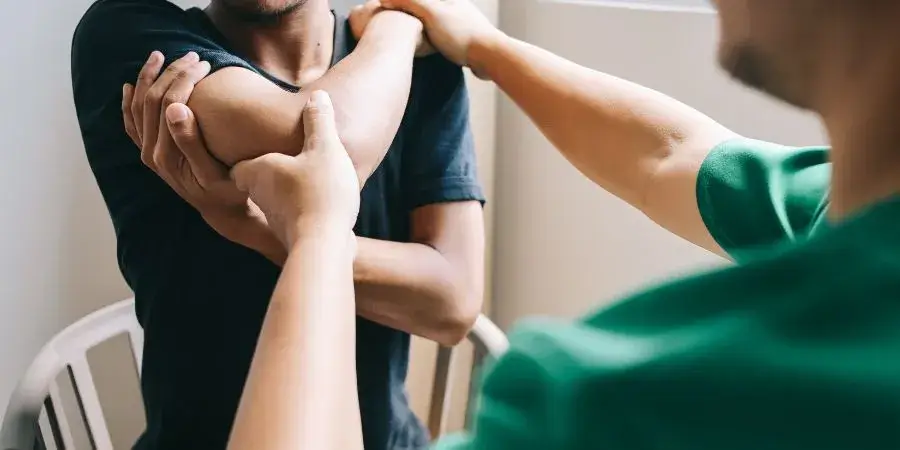
Manual therapy involves hands-on techniques that help relieve pain, improve circulation, and release muscle tension around the elbow. This approach directly targets the affected area, offering immediate relief and preparing the muscles for further strengthening exercises. Key manual therapy techniques for tennis elbow include:
- Soft Tissue Massage: This technique involves applying pressure to the forearm muscles to release built-up tension, reduce inflammation, and promote blood flow to the injured tissues. Soft tissue massage also helps to break down scar tissue that may have developed from overuse, allowing for greater flexibility and reduced discomfort.
- Joint Mobilizations: Joint mobilizations work on the elbow and wrist joints to restore their natural range of motion. By applying controlled movements, this technique enhances joint flexibility, helping alleviate stiffness and discomfort associated with tennis elbow. Joint mobilization also helps improve overall biomechanics, reducing strain on the affected tendons.
- Stretching Exercises: Stretching focuses on improving the range of motion and flexibility in the wrist and forearm. This can prevent tightness and encourage healing in the surrounding tendons and muscles. Regular stretching is essential for maintaining muscle length and elasticity, which are crucial for reducing the chances of re-injury.
2. Therapeutic Exercises for Strength and Stability
Therapeutic exercises are at the core of physiotherapy for tennis elbow. These exercises not only strengthen the forearm muscles but also stabilize the tendons, supporting proper elbow function and resilience against future strain. Our physiotherapists in Ottawa guide patients through exercises that include:
- Wrist Flexor and Extensor Exercises: These exercises involve flexing and extending the wrist against resistance to strengthen the muscles that support the elbow joint. By building strength in these areas, you can stabilize the elbow during everyday activities, reducing the strain that leads to tennis elbow.
- Eccentric Strengthening: Eccentric exercises focus on the lengthening phase of muscle movement, which is particularly effective for tendon rehabilitation. In tennis elbow treatment, eccentric strengthening helps repair the damaged tendon fibers, improves muscle control, and builds resilience to further stress.
- Grip Strengthening: Grip exercises are essential for improving forearm muscle function and reducing strain on the elbow. By enhancing grip strength, patients can perform daily tasks with greater ease and less likelihood of overstraining the elbow tendons.
3. Advanced Electrotherapy for Enhanced Pain Management and Healing
Electrotherapy is an essential component of tennis elbow treatment at Physiocare, as it helps manage pain, reduce inflammation, and accelerate tissue healing. Our clinic offers several advanced electrotherapy options:
- IFC (Interferential Current) Therapy: IFC therapy uses electrical currents that penetrate deep into the muscle tissues to reduce pain and inflammation. It stimulates the body’s natural pain-relieving mechanisms, making it effective for managing discomfort associated with tennis elbow. By reducing pain, IFC therapy enables patients to participate in therapeutic exercises more comfortably.
- Shockwave Therapy: Shockwave therapy delivers high-energy sound waves to the injured area, stimulating blood circulation and tissue repair. This technique accelerates the healing process by promoting the growth of new blood vessels and breaking down calcifications in the tendons. Shockwave therapy is especially beneficial for chronic cases of tennis elbow, as it encourages the body to rebuild damaged tissue.
- EMTT (Extracorporeal Magnetotransduction Therapy): EMTT uses high-energy magnetic fields to stimulate cellular repair and reduce inflammation at a deep tissue level. For tennis elbow, EMTT helps regenerate damaged tissues and promotes faster recovery by increasing cellular activity and reducing pain.
- Laser Therapy: Low-level laser therapy (LLLT) uses light to penetrate deep into tissues, promoting cellular regeneration and reducing pain. Laser therapy can accelerate tissue repair and decrease inflammation around the elbow, helping patients regain function and mobility faster.
- Braces and Supports: In some cases, wearing braces or supports can help relieve pressure on the affected tendons, allowing them to heal while maintaining daily functionality. Our physiotherapists may recommend specific braces that support the forearm and redistribute strain away from the elbow, aiding in the recovery process.
4. Ergonomic Guidance and Activity Modification
Recurrence of tennis elbow is often linked to improper posture or repetitive strain in daily activities. At Physiocare, we focus on ergonomic guidance to prevent re-injury and protect against strain. Our approach includes:
- Proper Lifting Techniques: Our physiotherapists teach correct lifting and carrying techniques that reduce strain on the elbow, helping patients avoid aggravating the condition.
- Workstation Adjustments: For office workers, adjusting the workstation setup can significantly reduce repetitive strain. Our physiotherapists assess and suggest adjustments to minimize wrist and elbow tension, making it easier to maintain a healthy posture.
- Yoga Therapy for Flexibility and Stress Relief: Yoga can improve flexibility, reduce muscle tension, and provide a holistic approach to recovery. By incorporating yoga exercises tailored to enhance elbow flexibility and support mental well-being, patients can sustain a healthier lifestyle while preventing future injuries.
What to Expect During Your Physiotherapy Sessions
During your first visit, our physiotherapy clinic across Ottawa regions will perform a comprehensive assessment of your condition and activity level to create a customized treatment plan. Each session typically includes warm-up exercises, manual therapy, and strength-building exercises to ensure continuous progress.
As you recover, your plan may be adjusted to keep your treatment both effective and focused. Our clinic’s goal is to help you regain strength, mobility, and confidence in your daily activities.
Benefits of Physiotherapy for Tennis Elbow
Choosing physiotherapy in Ottawa for tennis elbow offers numerous benefits, from natural pain relief to strengthening the affected muscles. Here’s what you can expect:
- Reduced reliance on medications: Physiotherapy targets pain directly, decreasing your need for painkillers.
- Enhanced mobility and strength: Build resilience to handle your daily tasks more effectively.
- Faster recovery and reduced recurrence: A structured program can help prevent future injuries.
- Improved quality of life: Return to pain-free activities with confidence.
Start Your Recovery with Ottawa’s Leading Physiotherapists
At Physiocare Physiotherapy Clinic, we’re dedicated to providing expert manual therapy in Ottawa and a comprehensive range of treatments for tennis elbow and other conditions. With our personalized approach, you can achieve meaningful results and regain control over your day-to-day life.
If you’re in Ottawa and looking for relief from tennis elbow, contact us today to schedule an appointment. Our team is here to guide you on your path to pain-free living.
Conclusion
Tennis elbow can be frustrating, but with the right care, it doesn’t have to impact your quality of life. Physiotherapy offers a safe, effective path to recovery by addressing pain, improving strength, and preventing recurrence. Whether you’re a professional athlete or simply want to lift your coffee mug without pain, our Ottawa-based clinic is here to support your journey to recovery.
Ready to start? Book your appointment with Physiocare Physiotherapy Clinic today and take the first step toward a pain-free, active life.
FAQs:
Tennis Elbow is a condition caused by overuse of the forearm muscles, leading to pain and inflammation around the outer part of the elbow. It commonly occurs due to repetitive wrist and arm movements.
Symptoms typically include:
- Pain or burning on the outer elbow
- Weak grip strength
- Pain when lifting, gripping, or twisting objects
- Stiffness in the elbow, especially in the morning
Tennis elbow is usually caused by repetitive strain from:
- Sports like tennis or badminton
- Typing or mouse use
- Manual labor (lifting, tools)
- Repetitive wrist extension movements
Physiotherapy treats tennis elbow through:
- Manual therapy to reduce pain
- Strengthening exercises for forearm muscles
- Eccentric loading for tendon repair
- Electrotherapy to accelerate healing
- Ergonomic corrections to prevent recurrence
Effective exercises include:
- Wrist flexor and extensor strengthening
- Eccentric loading exercises
- Grip strengthening
- Stretching of forearm muscles
These help rebuild tendon strength and reduce strain.
Physiotherapy addresses the root cause (muscle weakness and tendon damage), while medications mainly reduce symptoms. Long-term recovery is more effective with physiotherapy.
When guided by a registered physiotherapist, functional fitness is both safe and highly effective for older adults and injury reco
Recovery typically takes:
- 4 to 6 weeks for mild cases
- 6 to 12 weeks for moderate cases
- 3+ months for chronic conditions
Consistency with treatment is critical.
very. Exercises are carefully progressed based on your capacity, ensuring you build strength gradually without overloading healing tissues or vulnerable joints.
Shockwave therapy uses high-energy sound waves to stimulate blood flow and tissue repair in the affected tendon. It is especially effective for chronic tennis elbow cases.
Yes, mild cases may improve with rest, but without proper treatment, the condition can become chronic. Physiotherapy significantly speeds up recovery and prevents recurrence.
Prevention strategies include:
- Strengthening forearm muscles
- Using proper technique in activities
- Improving workstation ergonomics
- Taking regular breaks during repetitive tasks
Categories
About the Author

Prateeksha Viradiya
Certified in Pelvic Floor, Acupuncture, Certified ROST Therapist | RAPID Treatment Specialist at Physiocare Physiotherapy and Rehab Centre
View Full Bio
Ask Our Physiotherapist for More Information
Subscribe To Our Newsletter
Your health is our priority, and we’re committed to partnering with you to achieve your optimal wellness.