Physiocare Physiotherapy & Rehab Centre Ottawa
Now Open: Our 8th Location in
South Keys!
Updated on August 6, 2026

Written By
Urvi Patel
Registered Physiotherapist improving mobility, well-being, and quality of life.

✓ Clinically Reviewed By:
Gunjan Vermani
Director and Registered Physiotherapist
20+ Years Experience
Clinical Specialties:
Central pain management, Concussion rehabilitation
Dry Needling vs. Acupuncture: Exploring the Differences and Finding Your Ideal Option
If you’re looking for relief from pain or muscle stiffness, you might have encountered both dry needling and acupuncture as potential solutions. Although these treatments both use slender needles, their methods, purposes, and outcomes are quite distinct. The following guide explains each approach to help you determine which one may be the best fit for your needs.
What Exactly is Dry Needling?
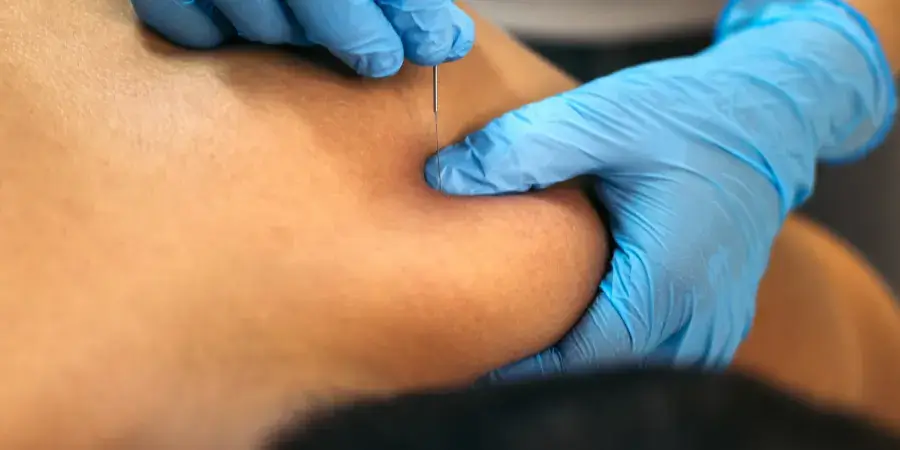
Dry needling is a technique frequently employed by physiotherapists to manage muscle pain and alleviate tension. This method centers on locating and targeting trigger points—those small, tight areas within your muscles that can cause discomfort. By inserting extremely fine needles directly into these spots, dry needling can help release knots, reduce pain, and enhance mobility. Often, the insertion prompts a slight twitch in the muscle, signaling that the tension is beginning to subside.
Some common conditions that might benefit from dry needling include:
- Chronic Pain: Persistent discomfort in regions such as the back, neck, or shoulders.
- Muscle Tension: Ongoing tightness or knots in your muscles.
- Headaches and Migraines: Muscle tension can sometimes be a trigger for these issues.
- Sports-Related Injuries: It can support recovery from strains, sprains, and similar injuries.
If you’re considering dry needling in Ottawa, consulting a physiotherapist can help determine whether this therapy suits your condition.
What is Acupuncture?
Acupuncture is a fundamental practice within traditional Chinese medicine, with roots stretching back thousands of years. Unlike dry needling, acupuncture isn’t focused solely on muscle pain. Instead, it aims to balance the body’s energy—referred to as “qi.” During an acupuncture session, practitioners insert needles into specific points along the body, known as acupoints, which lie along energy channels called meridians. This practice is designed to restore balance, enhance overall health, and address both physical and emotional issues.
Conditions frequently addressed with acupuncture include:
- Stress, Anxiety, and Depression: It can help ease mental and emotional stress.
- Chronic Pain: Suitable for managing long-term pain conditions.
- Migraines: Often used to reduce the frequency and intensity of headaches.
- Insomnia: May help improve sleep quality.
- Digestive Issues: Can support better digestive function.
Patients looking for acupuncture in Ottawa often find relief from a range of conditions due to its holistic approach to healing.
Key Distinctions Between Dry Needling and Acupuncture
Here are the main differences to consider when comparing these treatments:
Focus of Treatment:
Dry Needling: Concentrates on relieving specific muscle pain and targeting trigger points.
Acupuncture: Works on balancing the body’s energy and treats both physical and emotional symptoms.
Location of Needle Insertion:
Dry Needling: Needles are placed directly into areas where muscle tension is present.
Acupuncture: Needles are inserted at designated acupoints along the body’s meridians, which might not be directly related to the pain location.
Technique Employed:
Dry Needling: Often induces a muscle twitch to help release tension.
Acupuncture: Typically involves leaving the needles in place for a longer period to promote a smooth flow of qi and restore balance.
Which Option is Right for You?
Opt for Dry Needling if:
You’re dealing with localized muscle pain, stiffness, or recovering from an injury such as a sprain or strain. It is particularly effective for pinpointing and treating areas of concentrated discomfort.
Opt for Acupuncture if:
You’re in search of a more comprehensive treatment that addresses not just physical discomfort but also emotional or mental stress. Acupuncture is an excellent choice if you are drawn to a time-honored method that supports overall wellness.
Concluding Thoughts
Both dry needling and acupuncture provide effective ways to alleviate pain and improve your quality of life, each through a unique approach. Dry needling offers a focused treatment for musculoskeletal issues, while acupuncture provides a broader, holistic method by balancing the body’s energy. If you’re uncertain about which treatment to choose, it might be beneficial to consult with a qualified physiotherapist or acupuncturist who can tailor their advice to your specific needs. Ultimately, whether you choose dry needling or acupuncture, the goal is to help you feel better and enhance your overall well-being.
FAQs:
Dry needling and acupuncture both use thin needles but differ in purpose and approach. Dry needling targets muscle trigger points to relieve pain and tension, while acupuncture is based on traditional Chinese medicine and aims to balance the body’s energy for overall health.
- Dry needling: musculoskeletal focus
- Acupuncture: holistic, energy-based approach
- Different techniques and treatment goals
- Used for different conditions
Dry needling is generally more effective for muscle pain because it directly targets trigger points and tight muscle bands. It is commonly used by physiotherapists for conditions like neck pain, back pain, and sports injuries.
- Directly releases muscle knots
- Improves mobility quickly
- Ideal for localized pain
- Often part of physiotherapy rehab
Dry needling is mainly used for muscle pain, stiffness, and sports injuries, while acupuncture treats a broader range of conditions including stress, headaches, sleep issues, and chronic pain.
- Dry needling: muscle tension, injuries, trigger points
- Acupuncture: stress, migraines, insomnia, digestion
- Both can help with chronic pain
- Choice depends on symptoms
Both dry needling and acupuncture are generally well tolerated, with minimal discomfort. Dry needling may cause a brief twitch or soreness in the muscle, while acupuncture typically produces a mild, relaxing sensation.
- Dry needling: quick twitch response
- Acupuncture: gentle, calming effect
- Thin needles reduce discomfort
- Temporary soreness may occur
Choose dry needling if you have localized muscle pain or injury, and acupuncture if you want a holistic treatment for overall health or stress-related issues. Your decision should depend on your symptoms and treatment goals.
- Muscle pain → dry needling
- Stress or wellness → acupuncture
- Injury rehab → dry needling
- Whole-body balance → acupuncture
Yes, dry needling is safe when performed by a trained physiotherapist using sterile techniques. It is a regulated practice in many regions and is commonly used in clinical settings for pain management and rehabilitation.
- Performed by certified professionals
- Uses sterile, single-use needles
- Low risk when properly administered
- Widely used in physiotherapy
The number of sessions depends on the condition, severity, and individual response, but many people notice improvement within a few sessions. Chronic conditions may require ongoing treatment over several weeks.
- Mild issues: 2–4 sessions
- Moderate conditions: 4–8 sessions
- Chronic cases: ongoing care
- Progress monitored regularly
Yes, dry needling and acupuncture can be combined in some treatment plans to address both localized muscle pain and overall well-being. A qualified practitioner can determine the best approach based on your condition.
- Targets both physical and systemic issues
- Personalized treatment plans
- Enhances overall outcomes
- Requires professional guidance

Ask Our Physiotherapist for More Information
Subscribe To Our Newsletter
Your health is our priority, and we’re committed to partnering with you to achieve your optimal wellness.