Physiocare Physiotherapy & Rehab Centre Ottawa
Now Open: Our 8th Location in
South Keys!
Updated on August 28, 2026

Written By
Prateeksha Viradiya
Resident Physiotherapist
Specializes in Aquatic Rehab and is a Certified Aquafit Instructor.
Specializes in Aquatic Rehab and is a Certified Aquafit Instructor.

✓ Clinically Reviewed By:
Gunjan Vermani
Director and Registered Physiotherapist
15+ Years Experience
Clinical Specialties:
Central pain management, Concussion rehabilitation
Plantar Fasciitis: How Physiotherapy Helps You Recover
Heel pain has a way of creeping into your life quietly. It often starts as mild stiffness with your first steps in the morning and, left unaddressed, can grow into a persistent ache that affects how you walk, work, and exercise. One of the most common causes of this kind of pain is plantar fasciitis — a condition that responds very well to physiotherapy when treated early and consistently.
In clinical practice, plantar fasciitis is one of the most frequent reasons people search for physiotherapy in Ottawa. Below, we break down what it is, why it happens, and how a structured physiotherapy plan helps you recover safely and fully.
What Is Plantar Fasciitis?
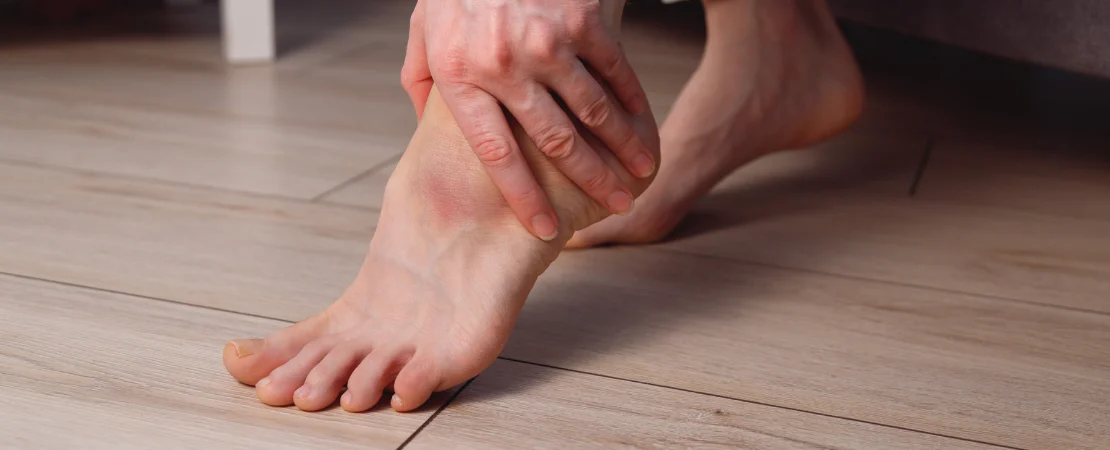
Plantar fasciitis occurs when the plantar fascia — a thick band of connective tissue running along the bottom of your foot — becomes irritated, inflamed, or overloaded. This tissue supports your arch and absorbs shock with every step, so even small amounts of repetitive strain can add up over time.
Common symptoms include:
- Sharp heel pain, especially with the first steps in the morning
- Pain after long periods of standing or sitting
- Stiffness in the sole of the foot
- Increased discomfort after exercise (rather than during it)
Clinical note: Pain that’s worse after activity rather than during it is a telling pattern — it usually points to a tissue that’s reacting to cumulative load rather than an acute injury, which is part of why gradual, progressive loading (not complete rest) tends to work better than waiting it out.
What Causes It?
Several factors can contribute to plantar fasciitis:
- Prolonged standing or walking, especially on hard surfaces
- Poor footwear with little arch support
- Tight calf muscles or Achilles tendon
- Flat feet or high arches
- A sudden increase in physical activity (e.g., ramping up running mileage too quickly)
How Physiotherapy Helps
Physiotherapy doesn’t just manage the pain — it targets the underlying mechanical causes and helps prevent the condition from returning.
1. Pain Relief Techniques
A physiotherapist may use:
- Manual therapy (hands-on joint and soft tissue mobilization)
- Ice therapy or therapeutic ultrasound
- Taping to offload and support the fascia
These methods help reduce pain and improve function in the early stages of the condition.
2. Stretching Exercises
Tight muscles — particularly the calf and the plantar fascia itself — are a major contributing factor. Common stretches include:
- Calf stretches (against a wall)
- Plantar fascia–specific stretches (gently pulling the toes back)
Research comparing the two approaches has found that plantar fascia–specific stretching tends to produce greater short-term pain relief than calf stretching alone, though both have a role depending on presentation. Regular stretching improves flexibility and reduces tensile strain on the fascia.
3. Strengthening Exercises
Weak foot and ankle muscles can worsen the condition by reducing the foot’s natural shock absorption. Your physiotherapist may guide you through:
- Towel scrunches (using your toes)
- Heel raises
- Foot arch strengthening exercises
These build local stability and support your foot’s structure over the longer term, which matters for preventing recurrence.
4. Gait & Posture Correction
The way you walk or stand directly affects the load on your feet. A physiotherapist will typically:
- Analyze your walking pattern (gait)
- Correct posture and movement habits that increase strain
- Suggest appropriate footwear or custom orthotics where needed
5. Gradual Return to Activity
If you’re active or an athlete, rest alone isn’t a complete solution. Physiotherapy helps you:
- Return to activity safely
- Avoid re-injury through structured load progression
- Build endurance gradually rather than all at once
Current clinical practice guidelines for heel pain recommend exercise-based management and progressive loading as core components of treatment rather than prolonged rest alone (Heel Pain–Plantar Fasciitis Clinical Practice Guideline).
How Long Does Recovery Take?
Recovery time varies depending on severity, but with consistent physiotherapy, a general pattern looks like:
- Mild cases: 4–6 weeks
- Moderate cases: 6–12 weeks
- Chronic cases: Several months
The key factor across all severities is early treatment and consistency with your exercise program — stopping stretches or strengthening work once pain eases is one of the most common reasons symptoms return.
Tips to Support Recovery at Home
- Wear supportive shoes, even indoors
- Avoid walking barefoot on hard surfaces
- Stretch daily, especially first thing in the morning
- Use ice after long periods of activity
- Don’t ignore early signs of pain
When Should You See a Physiotherapist?
Consider booking an assessment if:
- Heel pain lasts more than a week
- Pain is affecting your daily activities
- Home remedies aren’t helping
- You’ve had recurring foot pain in the past
Final Thoughts
Plantar fasciitis can be frustrating, but it’s highly treatable with the right approach. Physiotherapy doesn’t just relieve pain — it addresses the underlying mechanical causes, helping you get back on your feet stronger than before.
If you’re dealing with heel pain, don’t wait for it to worsen. As a leading physio clinic in Ottawa, our team sees plantar fasciitis regularly, and early intervention consistently makes the difference between a quick recovery and a drawn-out one.
Safety note: This article is for general educational purposes and isn’t a substitute for individualized medical advice. Heel pain can occasionally stem from other causes (such as stress fractures, nerve entrapment, or systemic conditions), so persistent or severe symptoms should be assessed by a licensed physiotherapist or physician before starting any exercise program.
References:
- Koc TA Jr, Bise CG, Neville C, Carreira D, Martin RL, McDonough CM. Heel Pain – Plantar Fasciitis: Revision 2023. Clinical Practice Guideline from the Academy of Orthopaedic Physical Therapy. J Orthop Sports Phys Ther. 2023;53(12):CPG1–CPG39. doi:10.2519/jospt.2023.0303
- Sweeting D, et al. Calf stretching and plantar fascia-specific stretching for plantar fasciitis: A systematic review and meta-analysis — found plantar fascia–specific stretching produced greater pain reduction than calf stretching, with moderate-quality evidence. (ScienceDirect, Musculoskeletal Science and Practice)
- DiGiovanni BF, et al. Plantar fascia-specific stretching exercise improves outcomes in patients with chronic plantar fasciitis: A prospective clinical trial with two-year follow-up. Demonstrated sustained patient-reported improvement and high satisfaction at two-year follow-up. (PubMed: 16882901)
FAQs:
Plantar fasciitis typically causes sharp pain at the bottom of the heel, worst with your first steps in the morning or after rest. If pain persists beyond a week or worsens with activity, a physiotherapy assessment can confirm the diagnosis.
Mild cases sometimes improve with rest and footwear changes, but many cases become chronic without targeted treatment. Physiotherapy addresses the underlying mechanical causes, significantly reducing recovery time and the chance of recurrence compared to waiting it out.
Walking isn't inherently harmful, but prolonged walking on hard surfaces or in unsupportive shoes can aggravate symptoms. Your physiotherapist can help you modify activity levels and footwear while keeping you appropriately active during recovery.
Calf stretches target the back of the lower leg, while plantar fascia stretches directly address the tissue under the foot. Research suggests fascia-specific stretching often provides faster short-term pain relief, though both are commonly combined.
Orthotics can help by redistributing pressure and supporting the arch, particularly for flat feet or high arches. A physiotherapist can assess your gait and foot structure to recommend whether off-the-shelf or custom orthotics suit your needs.
Yes, recurrence is common if stretching and strengthening routines stop once pain resolves. Maintaining supportive footwear, daily stretching, and periodic check-ins with a physiotherapist significantly reduces the risk of symptoms returning.
Light, structured activity is usually safe and even beneficial, but high-impact exercise should be modified during flare-ups. A physiotherapist can guide a gradual return-to-activity plan that avoids aggravating the fascia while maintaining fitness.
See a physiotherapist if heel pain lasts more than a week, disrupts daily activities, doesn't respond to home care, or keeps recurring. Early assessment leads to faster, more effective recovery and lowers the risk of chronic symptoms.
Categories
About the Author

Prateeksha Viradiya
Certified in Pelvic Floor, Acupuncture, Certified ROST Therapist | RAPID Treatment Specialist at Physiocare Physiotherapy and Rehab Centre
View Full Bio
Ask Our Physiotherapist for More Information
Subscribe To Our Newsletter
Your health is our priority, and we’re committed to partnering with you to achieve your optimal wellness.