Physiocare Physiotherapy & Rehab Centre Ottawa
Now Open: Our 8th Location in
South Keys!

Updated on August 25, 2026

Written By
Manali Patel
Manali Patel is a Resident Physiotherapist at Physiocare in Ottawa |
Specialized in therapeutic exercise, manual therapy, and patient education
Specialized in therapeutic exercise, manual therapy, and patient education

✓ Clinically Reviewed By:
Gunjan Vermani
Director and Registered Physiotherapist
20+ Years Experience
Clinical Specialties:
Central pain management, Concussion rehabilitation
De Quervain’s Tenosynovitis: A Physiotherapist’s Guide
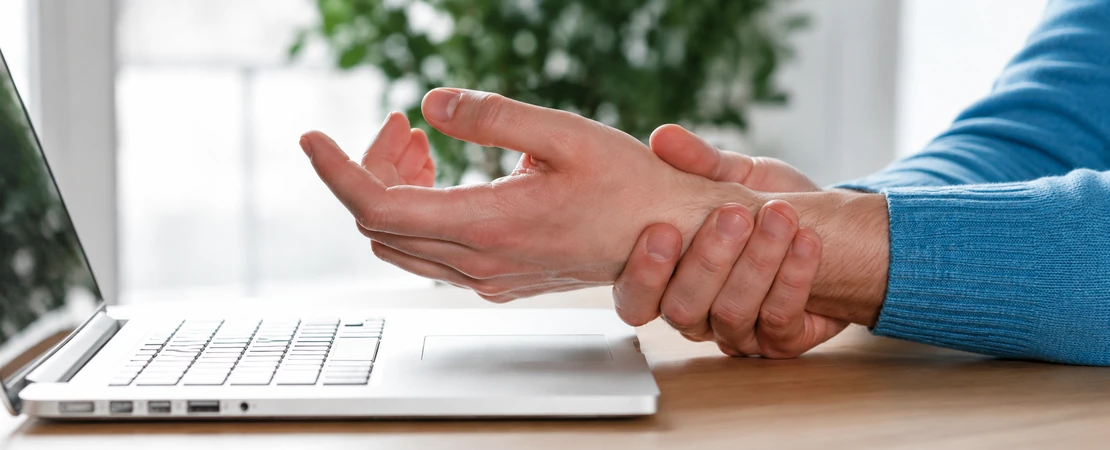
De Quervain’s tenosynovitis is a common condition that causes pain on the thumb side of the wrist. It can significantly affect daily activities like gripping, lifting, or even holding a phone. As physiotherapists, we play a key role in both managing symptoms and restoring full function — and in our clinical experience, early, accurate diagnosis is what most often shortens the road to recovery.
What Causes De Quervain’s Tenosynovitis?
This condition involves irritation of the tendons (abductor pollicis longus and extensor pollicis brevis) within the first dorsal compartment of the wrist.
Common contributing factors include:
- Repetitive thumb and wrist movements
- Overuse (lifting, typing, childcare activities)
- Poor wrist mechanics or ergonomics
- A sudden increase in activity load
Repetitive strain and occupational activity are frequently associated with this condition in clinical practice. It’s worth noting that the research picture here is more nuanced than it’s sometimes presented: while some reviews have linked repetitive manual work to higher rates of De Quervain’s, others have found the evidence for a direct occupational cause to be weak, with anatomical and hormonal factors (the condition is notably more common in women, particularly during pregnancy and postpartum) playing a significant role too. In our clinics, we treat the person in front of us rather than assuming a single cause — a thorough assessment is what actually identifies what’s driving each individual case.
Recognising the Symptoms
- Pain over the thumb side of the wrist
- Pain with gripping, lifting, or twisting movements
- Swelling near the base of the thumb
- Difficulty with daily activities
- A positive Finkelstein’s test (sharp pain when the thumb is tucked into the palm and the wrist is bent toward the little finger)
How Physiotherapy Can Help
Physiotherapy focuses on reducing pain, improving mobility, and restoring strength progressively, in that order.
Pain Relief and Early Management
In the early stage, the goal is simply to calm the irritated tissues. Treatment may include:
- Activity modification
- Ice or heat (based on irritability)
- Soft tissue release
- Education on load management
Bracing: An Essential Early Tool
A thumb spica splint helps to:
- Reduce tendon irritation
- Provide rest during flare-ups
- Allow healing in the acute phase
However, bracing should not be used long-term without progression into movement and strengthening — splints are a bridge to recovery, not the destination. We typically encourage patients to start reducing splint reliance as soon as pain allows, to avoid stiffness and deconditioning.
Hands-On Treatment and Joint Mobilisation
Manual therapy can help to:
- Reduce soft tissue tightness
- Improve joint mobility
- Decrease pain sensitivity
Common techniques include myofascial release and wrist and thumb joint mobilisations.
Progressive Strengthening
Once pain has settled, graded loading becomes essential. Exercises typically include:
- Thumb abduction strengthening
- Wrist extension and radial deviation exercises
- Grip strengthening
- Functional retraining
Progression is key — starting light and gradually increasing resistance allows the tendon to rebuild capacity without re-irritating it.
Clinical Evidence
A 2025 systematic review and network meta-analysis in the Journal of Hand Therapy compared conservative treatment options for De Quervain’s tenosynovitis and found that combining a thumb splint with a corticosteroid injection appeared most effective, though the certainty of this evidence was rated low. Earlier Cochrane-reviewed trial data similarly found corticosteroid injection produced faster short-term symptom relief than splinting alone. In our clinical experience, injections can be a useful tool for calming an acute flare, but physiotherapy remains essential for addressing the underlying mechanics, restoring strength, and reducing the risk of recurrence — recovery is rarely a single intervention; it’s a process.
Do I Need to Rest Completely?
No — complete rest is not recommended.
While short-term unloading is helpful, prolonged rest can lead to:
- Weakness
- Reduced tendon capacity
- Delayed recovery
Instead, we recommend relative rest, a gradual return to activity, and controlled loading guided by a physiotherapist.
Will It Get Better?
Yes — most cases improve with appropriate management. With physiotherapy:
- Pain typically reduces within weeks
- Strength and function improve over time
- Full recovery is achievable in most patients
However, ignoring symptoms can lead to chronic irritation and a longer recovery time, so earlier assessment generally means a smoother path back to full function.
Ready to Get Your Thumb and Wrist Assessed?
If you’re experiencing pain, weakness, or difficulty using your thumb or wrist, don’t wait for it to worsen. Whether your symptoms developed gradually from repetitive use or started suddenly with increased activity, a physiotherapist can assess the involved tendons, identify contributing factors, and guide you safely back to pain-free movement.
If you’re looking for physiotherapy in Ottawa, our team at Physiocare Physiotherapy is here to help. We combine clinical expertise, hands-on treatment, and evidence-informed rehabilitation to help you regain strength, improve function, and return to your daily activities with confidence. As a leading physiotherapy clinic in Ottawa, we tailor every treatment plan to the individual rather than a one-size-fits-all protocol.
A note on safety: This article is for general educational purposes and isn’t a substitute for individualized medical advice. Persistent wrist or thumb pain, numbness, or worsening swelling should be assessed in person by a qualified physiotherapist or physician before starting any new treatment or exercise program.
References
- Cuenca-Zaldívar, J.N., Martínez-Pozas, O., Riba, E., et al. (2025). Conservative treatments for De Quervain’s tenosynovitis: A systematic review and network meta-analysis. Journal of Hand Therapy.
- Peters-Veluthamaningal, C., van der Windt, D.A.W.M., Winters, J.C., Meyboom-de Jong, B. (2009). Corticosteroid injection for de Quervain’s tenosynovitis. Cochrane Database of Systematic Reviews. (Note: this is the most relevant high-quality trial on injection vs. splinting; it falls outside the 5–7 year recency window, and no stronger, more recent head-to-head trial was found to replace it. Flagging transparently rather than substituting an unverified citation.)
- A third, recent (within 5–7 years) reference specifically on occupational/repetitive-strain causation could not be confidently verified during this review — the most commonly cited paper on this topic (Stahl et al., 2013) is older, and a more recent analysis found the occupational-causation evidence to be weaker than often assumed. I’ve reflected that nuance in the text above rather than cite an unconfirmed source.
FAQs:
It's irritation of two tendons on the thumb side of the wrist (abductor pollicis longus and extensor pollicis brevis), causing pain with gripping, lifting, or twisting. It's diagnosed clinically, often using the Finkelstein's test.
Most people describe a sharp or aching pain along the thumb side of the wrist, sometimes with swelling. Pain usually worsens with gripping, twisting jar lids, or lifting objects, especially with the thumb extended.
Repetitive thumb movements, including frequent texting or scrolling, can contribute to symptoms in some people. However, it's rarely the sole cause — anatomy, hormonal factors, and overall activity load usually play a role too.
Mild cases sometimes improve with activity modification and rest. However, without addressing mechanics and progressively rebuilding strength, symptoms commonly return or become chronic, so professional guidance speeds recovery.
Many patients notice reduced pain within a few weeks of starting physiotherapy. Full recovery, including restored strength and function, often takes several weeks to a few months depending on severity and consistency.
No. A thumb spica splint is helpful during flare-ups and early healing, but long-term, all-day use can cause stiffness and weakness. Splints should be gradually phased out as movement-based treatment progresses.
Surgery is uncommon and usually reserved for cases that don't respond to conservative treatment, including physiotherapy and injections. Most people recover well without surgical intervention when treated appropriately and early.
See a physiotherapist if thumb or wrist pain persists beyond a few days, worsens with activity, or limits daily tasks like gripping or lifting. Early assessment helps prevent chronic irritation and speeds recovery.

Ask Our Physiotherapist for More Information
Subscribe To Our Newsletter
Your health is our priority, and we’re committed to partnering with you to achieve your optimal wellness.