Physiocare Physiotherapy & Rehab Centre Ottawa
Now Open: Our 8th Location in
South Keys!
Updated on July 31, 2026

Written By
Prateeksha Viradiya
Resident Physiotherapist
Specializes in Aquatic Rehab and is a Certified Aquafit Instructor.
Specializes in Aquatic Rehab and is a Certified Aquafit Instructor.

✓ Clinically Reviewed By:
Gunjan Vermani
Director and Registered Physiotherapist
20+ Years Experience
Clinical Specialties:
Central pain management, Concussion rehabilitation
Total Knee Replacement: What It Really Means and How Physiotherapy Supports Recovery?
As physiotherapists, we often hear patients say things like: “I never imagined my knee pain would stop me from doing such simple things.”
That sentence usually carries frustration, fear, and sometimes even grief.
Knee pain rarely arrives overnight. It creeps in quietly—first when climbing stairs, then during long walks, standing in line, or even rising from a chair. Over months or years, the knee may become stiff, swollen, and painful, turning once-easy routines into exhausting challenges. Sleep is disturbed, confidence drops, and independence starts to feel fragile.
When knee pain begins to interfere with walking, sleeping, or basic daily activities, doctors may recommend a total knee replacement—often as a last, but hopeful, option.
Why Do People Need a Total Knee Replacement?
Most people don’t reach surgery without trying everything else first. Medications, injections, braces, activity modification, and physiotherapy often help in early or moderate stages. However, when the knee joint becomes severely damaged, these conservative measures may no longer provide meaningful relief.
Common reasons for knee replacement include:
- Long-standing osteoarthritis leading to cartilage loss
- Age-related joint degeneration
- Previous knee injuries or fractures
- Persistent pain and stiffness affecting independence and quality of life
Recent studies published in The Journal of Bone and Joint Surgery (2023) show that total knee replacement significantly reduces pain and improves function in patients with advanced arthritis, especially when followed by structured rehabilitation. Importantly, the goal of surgery isn’t to create a “perfect” knee—it’s to restore comfort, mobility, and confidence in daily life.
For many patients considering knee replacement in Ottawa, understanding the recovery process is just as important as understanding the surgery itself.
What Patients Often Feel After Surgery
While surgical pain gradually improves, many patients describe a different kind of discomfort afterward—uncertainty. We commonly hear:
- “My knee feels stiff and tight.”
- “I’m scared to bend it.”
- “I don’t trust my knee when I walk.”
These feelings are completely normal. Surgery replaces the joint, but it doesn’t automatically restore strength, balance, coordination, or confidence. Those elements must be rebuilt—and that’s where physiotherapy becomes essential.
How Physiotherapy Helps After Knee Replacement
Starting with Gentle, Safe Movement
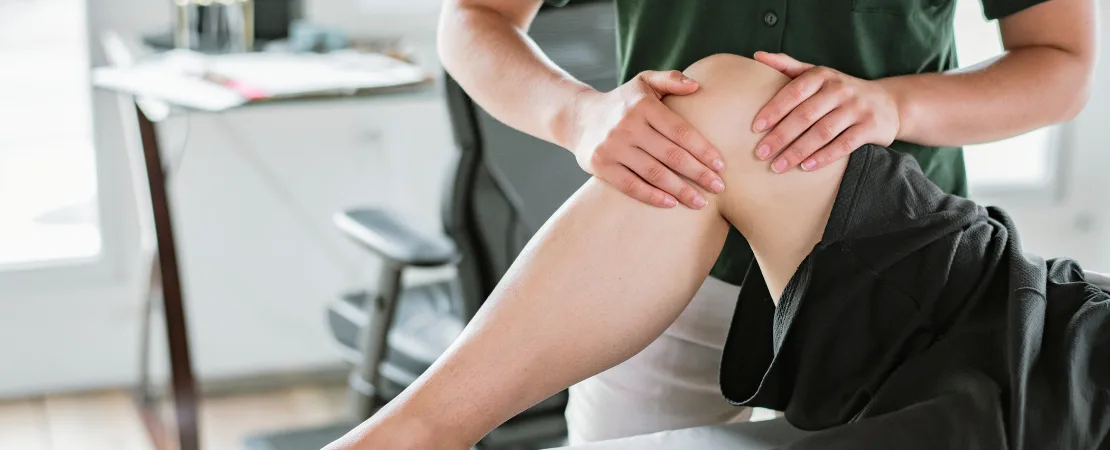
In the early stages, physiotherapy focuses on controlled, gentle movement. Research in Physical Therapy Journal (2022) highlights that early mobilization helps reduce swelling, prevent stiffness, improve circulation, and promote healthier joint healing.
We prioritize comfort and safety—encouraging knee bending and straightening without forcing movement.
Rebuilding Strength and Stability
After surgery, muscles around the knee—especially the quadriceps—become weak. Targeted strengthening helps patients:
- Walk with better control
- Reduce feelings of instability
- Progress safely from walkers or canes
Progress can feel slow, and that can be emotionally challenging. But consistency truly matters. Studies show that patients who follow structured strengthening programs achieve better long-term outcomes and functional independence.
Learning to Walk with Confidence Again
Walking after knee replacement is not just about movement—it’s about trust. Physiotherapy focuses on gait retraining, balance, and proper weight distribution. Correct movement patterns early on reduce the risk of long-term compensation issues in the hips or lower back.
Making Everyday Activities Feel Normal Again
Simple actions—sitting down, standing up, climbing stairs, or getting into bed—can feel intimidating after surgery. Physiotherapists break these movements down, teaching safer techniques that protect the new joint while restoring independence.
Support Beyond the Clinic
Recovery doesn’t stop when a session ends. Education is a powerful part of healing. We guide patients on:
- Effective and manageable home exercises
- Safe sleeping and sitting positions
- Daily knee protection strategies
Education empowers patients, reduces fear, and improves confidence during recovery.
Every Recovery Is Unique
No two knee replacements—and no two recoveries—are the same. Some people regain movement quickly, while others need more time. Both experiences are completely normal.
As physiotherapists, our role is to adapt treatment to each individual, offering reassurance, evidence-based care, and steady encouragement along the way. This patient-centred approach is especially valued by those seeking physiotherapy in Ottawa region, where continuity of care and trust matter deeply.
A Few Final Words
A total knee replacement can feel overwhelming at first. But with skilled physiotherapy, patience, and the right support, most people return to a more comfortable, active, and fulfilling life.
At our clinic in Ottawa, we don’t just focus on the knee—we focus on the person behind it. Their concerns, their goals, and their journey back to movement and confidence. If you or a loved one is recovering from knee surgery, know that you don’t have to navigate the process alone. We’re here to support you—step by step, at a pace that feels right for you.
FAQs:
Recovery timelines vary, but most patients notice steady improvement within 6–12 weeks. Full recovery, including strength and confidence, can take several months.
Physiotherapy usually begins within 24–48 hours after surgery. Early movement helps reduce stiffness, swelling, and supports better long-term outcomes.
Yes, some pain, stiffness, and swelling are normal during early recovery. Physiotherapy helps manage pain safely while restoring movement and function.
Most patients attend physiotherapy 2–3 times per week initially, with frequency adjusted based on progress, goals, and comfort levels.
Absolutely. Physiotherapy focuses on gait training, balance, and muscle control to help you walk more confidently and reduce strain on the new joint.
Key exercises focus on knee bending and straightening, quadriceps strengthening, balance training, and functional movements like sitting and stair climbing.
Yes, fear and hesitation are common. Physiotherapists provide guidance, reassurance, and safe progressions to rebuild trust in the knee.
Yes. Even when pain decreases, physiotherapy helps restore strength, flexibility, and movement patterns that prevent long-term issues and improve daily function.
Categories
About the Author

Prateeksha Viradiya
Certified in Pelvic Floor, Acupuncture, Certified ROST Therapist | RAPID Treatment Specialist at Physiocare Physiotherapy and Rehab Centre
View Full Bio
Ask Our Physiotherapist for More Information
Subscribe To Our Newsletter
Your health is our priority, and we’re committed to partnering with you to achieve your optimal wellness.