Physiocare Physiotherapy & Rehab Centre Ottawa
Now Open: Our 8th Location in
South Keys!
Updated on July 30, 2026

Written By
Prateeksha Viradiya
Resident Physiotherapist
Specializes in Aquatic Rehab and is a Certified Aquafit Instructor.
Specializes in Aquatic Rehab and is a Certified Aquafit Instructor.

✓ Clinically Reviewed By:
Gunjan Vermani
Director and Registered Physiotherapist
20+ Years Experience
Clinical Specialties:
Central pain management, Concussion rehabilitation
What Is Manual Lymphatic Drainage (MLD) & Why It’s a Game-Changer After Surgery
Recovering from surgery is never just physical — it’s emotional too. Swelling, stiffness, tenderness, and that lingering feeling of “not quite myself yet” can test your patience and confidence. Your body is working around the clock to repair tissue, regulate fluid, and restore balance — but healing doesn’t have to feel overwhelming or lonely.
At PhysioCare, we believe recovery is most effective when science meets compassion. That’s why we integrate the gentle precision of Manual Lymphatic Drainage (MLD) with advanced recovery technologies such as Deep Oscillation Therapy, Laser Therapy, and Pneumatic Compression. This evidence-based combination is designed to reduce swelling, support tissue repair, and help you feel more comfortable — physically and mentally — throughout your post-surgical journey.
What Is Manual Lymphatic Drainage (MLD)?
Think of your lymphatic system as your body’s quiet hero — a complex network responsible for fluid balance, immune defense, and waste removal. After surgery, inflammation and tissue trauma can temporarily slow lymphatic flow, leading to swelling (edema), pressure, and discomfort.
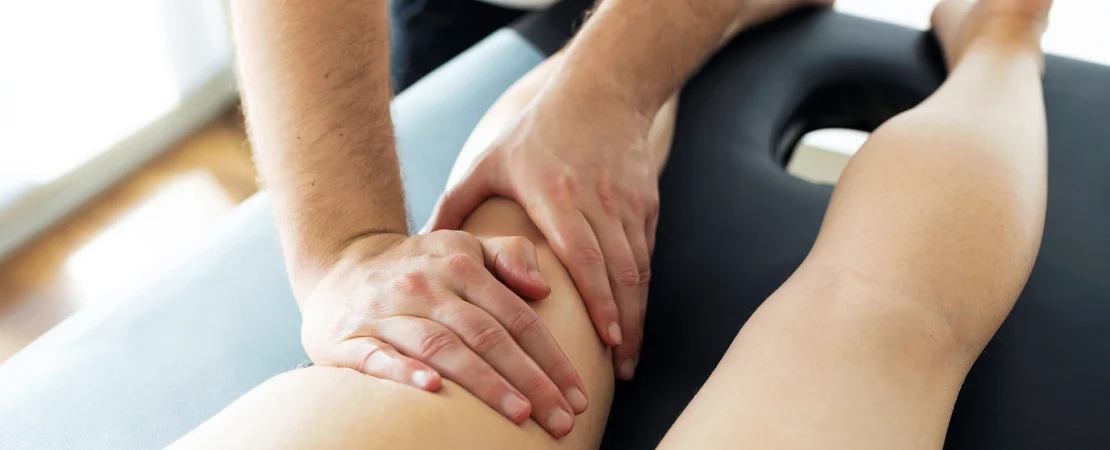
Manual Lymphatic Drainage (MLD) is a specialized, gentle hands-on technique developed to stimulate lymph flow and guide excess fluid toward healthy drainage pathways. Using slow, rhythmic, and precise movements, our therapists at PhysioCare help your body restore its natural circulation without stressing healing tissues.
Clinical research published in journals such as Lymphatic Research and Biology and Archives of Physical Medicine and Rehabilitation shows that MLD can significantly reduce post-operative edema, improve comfort, and enhance functional recovery when applied at the appropriate stage of healing.
MLD helps to:
- Reduce post-surgical swelling
- Ease tightness and pressure
- Support faster tissue repair
- Promote relaxation and nervous system calming
This is not a deep massage. In fact, its light, intentional touch is what makes it so effective. Many patients describe MLD sessions as calming, grounding, and deeply reassuring during recovery.
Why MLD Is Recommended After Surgery
MLD isn’t just a comfort therapy — it’s a clinically supported intervention used worldwide in post-operative care. Surgeons and rehabilitation specialists recommend it because it works with your body’s physiology, not against it.
1. Reduces Swelling and Inflammation
Post-surgical swelling occurs when lymphatic transport is overwhelmed. MLD gently activates superficial lymph vessels, helping redirect fluid away from congested areas. Studies have shown measurable reductions in limb volume and tissue pressure following consistent MLD sessions.
2. Accelerates Healing
Improved lymphatic circulation supports oxygen and nutrient delivery to healing tissues. This environment encourages collagen organization, reduces prolonged bruising, and supports smoother tissue regeneration.
3. Minimizes Pain and Tightness
Swelling increases pressure on pain-sensitive structures. By reducing fluid buildup, MLD naturally eases discomfort — often decreasing the need for pain medication during recovery.
4. Supports Scar Healing
Healthy lymphatic flow improves tissue mobility and reduces fibrosis. Research indicates that early, appropriate lymphatic therapy can improve scar pliability and long-term cosmetic outcomes.
5. Strengthens Immune Response
The lymphatic system plays a vital role in immune surveillance. By enhancing lymph flow, MLD supports immune efficiency — an important factor in reducing post-operative infection risks.
How PhysioCare Maximizes Your Recovery
At PhysioCare, post-surgical rehabilitation is never one-size-fits-all. We combine clinical expertise, hands-on skill, and modern technology to support healing from multiple angles — especially for patients recovering in Ottawa, where we see a wide range of orthopedic, cosmetic, and medical surgical cases.
Our integrated approach is designed to:
- Reduce recovery time
- Improve comfort and confidence
- Support long-term tissue health
Manual Lymphatic Drainage (MLD)
Our physiotherapists are formally trained in lymphatic techniques and tailor each session based on your surgery type, swelling pattern, and healing stage. Precision and timing matter — and every session is adjusted as your body progresses.
Deep Oscillation Therapy
Deep Oscillation Therapy uses gentle electrostatic impulses to create deep, resonating vibrations within the tissue. Clinical studies suggest it helps:
- Reduce inflammation and edema
- Decrease pain and stiffness
- Improve tissue elasticity and regeneration
When combined with MLD, this therapy enhances lymph movement at both superficial and deeper tissue levels — particularly valuable after orthopedic and cosmetic procedures.
Laser Therapy
Low-Level Laser Therapy (LLLT) stimulates cellular energy production (ATP), supporting faster tissue repair and inflammation control. Peer-reviewed research highlights its role in:
- Accelerating wound healing
- Reducing pain and bruising
- Improving scar quality
It is painless, non-invasive, and an excellent complement to lymphatic treatments.
Pneumatic Compression Therapy
Pneumatic Compression Therapy uses controlled, rhythmic pressure to support lymphatic and venous return. Evidence supports its effectiveness in reducing post-operative swelling and fatigue while improving circulation.
At PhysioCare, we strategically combine pneumatic compression with MLD to amplify drainage effects — all while ensuring the experience remains calming and restorative.
What to Expect at PhysioCare
From your first visit, we take time to understand your surgery, concerns, and recovery goals. Whether you’re healing after cosmetic surgery, orthopedic procedures, or reconstructive work, your care plan is personalized and progress-driven.
Sessions typically involve gentle MLD techniques, often enhanced with Deep Oscillation, Laser, or Pneumatic Compression as appropriate. Many patients report feeling lighter, less tense, and more at ease after just a few sessions.
The PhysioCare Difference
At Physiocare Physiotherapy Clinic in Ottawa, recovery is a partnership built on trust, evidence, and clinical experience. Our approach combines proven manual techniques with modern technology to help your body heal efficiently and safely.
For patients in Ottawa, we are proud to offer advanced post-surgical rehabilitation grounded in research, delivered with care, and guided by results.
Final Thoughts
Healing after surgery takes patience — but the right support can make the journey smoother, safer, and more empowering. Manual Lymphatic Drainage, when combined with PhysioCare’s advanced therapies, offers a natural, evidence-based way to reduce swelling, ease discomfort, and restore confidence in your body.
Your recovery deserves expert hands and thoughtful care.
Book your post-surgery recovery session at PhysioCare today and experience how gentle, science-backed therapy can transform healing.
FAQs:
MLD can often begin within a few days after surgery, once cleared by your surgeon. Early intervention helps control swelling and supports smoother healing.
Yes. When performed by a trained physiotherapist, MLD is extremely safe and gentle. Techniques are adapted based on your surgery type and healing stage.
Yes. By reducing swelling and tissue pressure, MLD naturally decreases discomfort and tightness, often reducing reliance on pain medications.
The number of sessions varies depending on the procedure, swelling severity, and healing response. Many patients notice improvement within 3–6 sessions.
Absolutely. MLD supports healthy tissue mobility and lymph flow, which can reduce scar tightness and improve long-term scar appearance.
Yes. At PhysioCare, MLD is often combined with Deep Oscillation Therapy, Laser Therapy, or Pneumatic Compression for faster, more effective recovery.
MLD may not be suitable for individuals with untreated infections, active cancer in certain stages, or uncontrolled heart conditions. Your physiotherapist will screen thoroughly before treatment.
Categories
About the Author

Prateeksha Viradiya
Certified in Pelvic Floor, Acupuncture, Certified ROST Therapist | RAPID Treatment Specialist at Physiocare Physiotherapy and Rehab Centre
View Full Bio
Ask Our Physiotherapist for More Information
Subscribe To Our Newsletter
Your health is our priority, and we’re committed to partnering with you to achieve your optimal wellness.