Physiocare Physiotherapy & Rehab Centre Ottawa
Now Open: Our 8th Location in
South Keys!
Updated on August 6, 2026

Written By
Prateeksha Viradiya
Resident Physiotherapist
Specializes in Aquatic Rehab and is a Certified Aquafit Instructor.
Specializes in Aquatic Rehab and is a Certified Aquafit Instructor.

✓ Clinically Reviewed By:
Gunjan Vermani
Director and Registered Physiotherapist
20+ Years Experience
Clinical Specialties:
Central pain management, Concussion rehabilitation
Sprained Ankle: Symptoms, Types, Treatment
A sprained ankle is one of the most common injuries that can happen to anyone, from athletes to everyday individuals. Despite how frequent it is, there’s a lot of misinformation about what a sprained ankle is, how serious it can be, and what you should do if you experience one. In Ottawa, where we see numerous cases of ankle injuries due to our active community and seasonal changes, knowing how to recognize, treat, and prevent a sprained ankle in Ottawa is crucial.
In this comprehensive guide, we’ll walk you through everything you need to know about a sprained ankle, including symptoms, types, and effective treatments to get you back on your feet as soon as possible.
Understanding a Sprained Ankle
A sprained ankle occurs when the ligaments—the strong bands of tissue that connect bones—are stretched beyond their normal range of motion, resulting in partial or complete tears. The most common scenario is rolling or twisting the ankle in an awkward way, which forces the ligaments to overstretch.
In Ottawa physiotherapists like us at Physiocare Physiotherapy Clinic treat ankle sprains regularly, especially in the winter months when icy sidewalks can lead to sudden slips and falls.
Symptoms of a Sprained Ankle
The severity of symptoms can vary based on how badly the ligaments are injured. Here’s a breakdown of the most common signs:
- Pain: Often immediate, the pain can range from mild discomfort to sharp, intense pain when moving or putting weight on the ankle.
- Swelling: Swelling occurs as fluids build up around the injured tissue, causing the ankle to look puffy.
- Bruising: Bruises may appear around the ankle as blood vessels in the area break.
- Limited Range of Motion: Movement may be difficult, especially if there’s severe pain or swelling.
- Instability: With a serious sprain, you may feel like your ankle is giving way or unable to support your weight.
Recognizing these symptoms is key to deciding whether you need immediate treatment from an Ottawa physiotherapist or can manage the injury with basic care.
Types of Ankle Sprains
Sprained ankles are categorized based on the level of ligament damage. There are three main types, or “grades,” each requiring a unique treatment approach:
- Grade 1 (Mild): Minor stretching or slight tears in the ligament fibers. Pain and swelling are mild, and movement is only slightly restricted.
- Grade 2 (Moderate): A partial tear of the ligament. Symptoms include moderate pain, noticeable swelling, and some bruising. You may find it painful to walk, and there may be some instability.
- Grade 3 (Severe): A complete tear of the ligament. This grade often results in severe pain, significant swelling, and bruising. You’ll likely experience substantial instability and difficulty bearing weight on the affected ankle.
Determining the grade of your sprain is essential for effective treatment. While Grade 1 sprains can often heal with rest, Grade 2 and Grade 3 injuries may require more structured rehabilitation from a professional in physiotherapy in Ottawa.
Treatments for a Sprained Ankle
Effective treatment is essential to promote healing, reduce pain, and restore mobility after an ankle sprain. At Physiocare Physiotherapy Clinic in Ottawa, we use a combination of trusted methods and advanced technology to help patients recover quickly and prevent future injuries. Here’s an in-depth look at the treatment options we provide:
1. R.I.C.E. Method (Rest, Ice, Compression, Elevation)
The R.I.C.E. method is a first-line approach that plays a foundational role in managing sprained ankles:
- Rest: Limiting movement allows the injured ligaments to begin healing without additional strain. Resting helps prevent further damage to the ankle and accelerates the initial phase of recovery.
- Ice: Applying ice reduces inflammation and numbs the affected area, offering pain relief. Ice therapy is particularly helpful in the first 24-48 hours, as it minimizes swelling by constricting blood vessels around the injury site.
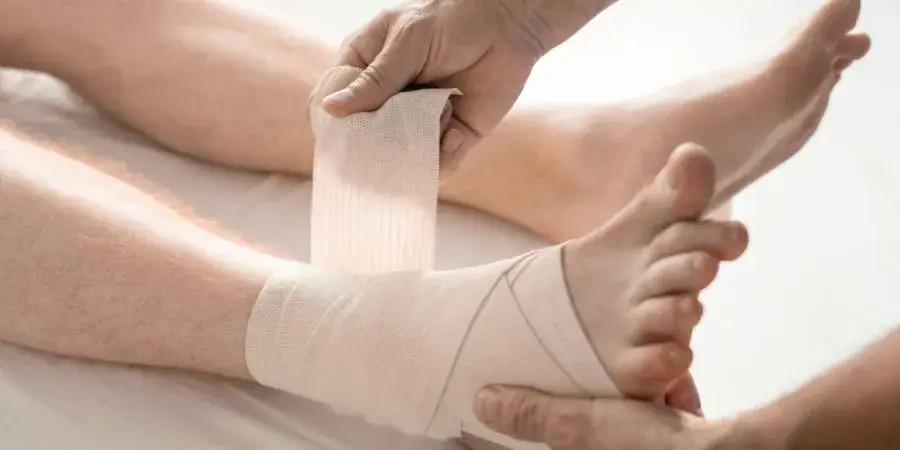
- Compression: Wrapping the ankle with an elastic bandage helps control swelling and provides gentle support. Compression improves blood circulation and stabilizes the joint, which is essential for reducing pain and maintaining mobility as the ankle heals.
- Elevation: Keeping the ankle elevated above heart level reduces fluid buildup, which minimizes swelling and enhances comfort. Elevation also aids blood circulation, facilitating faster recovery.
The R.I.C.E. method serves as the initial response to ankle injuries, making it an essential step before more intensive treatments.
2. Physiotherapy Techniques for Sprained Ankles
At Physiocare, our Ottawa physiotherapists are skilled in providing personalized physiotherapy techniques that address the unique needs of each ankle sprain:
- Manual Therapy: This hands-on approach includes joint mobilizations and soft tissue massage to ease stiffness and reduce pain. By gently manipulating the ankle’s soft tissues, manual therapy promotes blood flow, breaks down scar tissue, and improves the joint’s flexibility, helping to restore normal movement.
- Strengthening Exercises: Targeted exercises focus on rebuilding strength in the muscles surrounding the ankle, enhancing stability and preventing future injuries. These exercises may involve resistance bands, weight-bearing movements, and controlled exercises that prepare the ankle for daily activities and sports.
- Balance and Proprioception Training: Since a sprained ankle can affect balance, exercises that improve proprioception (body awareness) are crucial. Balance training helps the body react quickly to sudden movements, reducing the risk of re-injury. Activities like single-leg stands and balance board exercises retrain the ankle’s response to uneven surfaces.
- Range of Motion Exercises: Gradual stretching exercises increase flexibility in the ankle joint, restoring its natural movement. Range of motion exercises are essential for reducing stiffness and ensuring the ankle can perform daily motions without pain.
These physiotherapy techniques work together to promote a comprehensive and effective recovery, tailored to each patient’s specific needs.
3. Advanced Electrotherapy for Ankle Sprains
Physiocare Physiotherapy Clinic offers specialized electrotherapy treatments that use advanced technology to accelerate healing and manage pain, especially for moderate to severe sprains:
- EMTT (Extracorporeal Magnetotransduction Therapy): EMTT delivers magnetic pulses to the injured area, which can penetrate deeper tissues to reduce pain and inflammation at the cellular level. This non-invasive treatment supports natural healing processes, making it particularly effective for sprains with significant swelling and discomfort. EMTT’s pain-relieving effects are highly beneficial for early-stage recovery, allowing patients to regain comfort and mobility sooner.
- Laser Therapy: Low-level laser therapy (LLLT) uses focused light energy to penetrate deep into the affected tissues. This therapy stimulates cellular repair, reduces inflammation, and alleviates pain, making it effective for soft tissue injuries like ankle sprains. Laser therapy helps increase blood flow to the ligaments, which speeds up recovery and minimizes discomfort, especially beneficial for individuals needing a faster return to activities.
- Braces and Supports: For more severe ankle sprains, using a brace or support can help immobilize the joint and prevent further injury. Bracing provides extra stability, allowing the ankle ligaments to heal in a protected position. This method is often recommended during the early stages of treatment for severe sprains, ensuring that the injured ligaments are shielded from strain as they recover.
Each electrotherapy method offers distinct advantages for treating sprained ankles, and the choice of therapy is tailored to the patient’s specific injury grade and recovery goals. These advanced therapies are designed to improve recovery outcomes, reduce pain, and ensure long-term joint stability.
4. Advanced Treatments for Severe Sprains
- Immobilization: In cases of moderate to severe sprains, immobilization is often essential to protect the injured ligaments and allow them to heal without added strain. Using a splint, brace, or supportive boot prevents movement in the ankle, reducing the risk of further damage. Immobilization is especially important for Grade 2 and Grade 3 sprains, where ligament stability needs additional support. At Physiocare, we assess each injury’s severity to determine the right immobilization technique, providing both comfort and protection.
- Anti-inflammatory Medications: Non-steroidal anti-inflammatory drugs (NSAIDs) such as ibuprofen can be recommended to manage pain and reduce inflammation in the injured area. NSAIDs are particularly helpful in the early stages following an ankle sprain, as they help minimize discomfort and control swelling. We advise patients to use these medications as needed and under professional guidance to enhance comfort and facilitate a quicker recovery.
- Surgical Intervention: Although rare, surgical intervention may be necessary for severe Grade 3 sprains, especially if there is significant instability or multiple ligament tears. Surgical procedures for ankle sprains typically involve repairing or reconstructing torn ligaments to restore stability and functionality. At Physiocare Physiotherapy Clinic, we consider surgery only when other treatments are insufficient, and we work closely with orthopedic specialists to ensure patients receive the most appropriate care for their specific case.
Each of these advanced treatments is selected based on the specific needs and severity of the sprain, ensuring patients at Physiocare experience a recovery plan that maximizes both safety and effectiveness.
5. Home Exercises and Long-term Care
After undergoing initial treatment, patients can continue their recovery with home exercises that support long-term healing and prevent re-injury:
- Alphabet Exercise: Drawing letters with the toe improves ankle mobility and flexibility in a controlled, low-impact way.
- Towel Stretch: Using a towel to stretch the ankle helps maintain flexibility and reduces stiffness, essential for full joint recovery.
- Heel Raises: Strengthening the calf and ankle muscles through heel raises builds support for the ankle, enhancing stability and preventing future sprains.
By incorporating these exercises into daily routines, patients can keep their ankles strong and agile, reducing the risk of recurring injuries.
At Physiocare Physiotherapy Clinic in Ottawa, our goal is to provide comprehensive care that addresses each stage of the healing process for a sprained ankle. From initial R.I.C.E. treatment to advanced electrotherapy and ongoing physiotherapy, we are committed to helping you regain mobility, reduce pain, and achieve a safe, swift recovery. If you’re dealing with a sprained ankle or require professional guidance, our team is here to support your journey back to full health.
Preventing Future Ankle Sprains
Once you’ve experienced a sprained ankle in Ottawa, you’re more susceptible to future injuries. Preventive steps include:
- Wear Proper Footwear: Shoes with good support can reduce the risk of rolling your ankle.
- Strengthen Your Ankles: Incorporate ankle-strengthening exercises into your regular routine.
- Stay Active: Strong muscles, balance, and flexibility protect your joints from injury.
- Warm-Up Before Activities: Warming up before sports or exercise improves blood flow and prepares your body for movement.
When to See a Physiotherapist
If you’re unsure of the severity of your sprain or if the pain persists for more than a few days, it’s best to consult a physiotherapist. At Physiocare Physiotherapy Clinic, we specialize in comprehensive assessments and custom recovery plans to ensure each patient returns to their daily activities safely. With the right guidance, you can expect to recover quickly and reduce the likelihood of future injuries.
Final Thoughts
Sprained ankles are common but shouldn’t be ignored. Proper care and treatment, especially from a trusted physiotherapy clinic in Ottawa regions, can make all the difference. By following the R.I.C.E. method, pursuing manual therapy in Ottawa, and engaging in preventive exercises, you can regain strength, prevent future injuries, and get back to the activities you love.
If you’re dealing with a sprained ankle or need professional guidance, feel free to reach out to our team in Ottawa for personalized treatment and support.
FAQs:
A sprained ankle usually causes pain, swelling, bruising, and limited movement, while a fracture often involves severe pain, inability to bear weight, and visible deformity. If you cannot walk or the pain is intense, you should get an X-ray to rule out a fracture.
- Sprain: swelling, bruising, mild–moderate pain
- Fracture: sharp pain, deformity, no weight-bearing
- Seek medical assessment if unsure
The first step after a sprained ankle is to follow the R.I.C.E. method—rest, ice, compression, and elevation—to reduce swelling and pain within the first 24–48 hours. Early care helps prevent further damage and speeds up recovery.
- Rest: avoid weight-bearing
- Ice: 15–20 minutes every 2–3 hours
- Compression: elastic bandage
- Elevation: keep ankle above heart level
Recovery time depends on the severity of the sprain, ranging from 1–2 weeks for mild injuries to 6–12 weeks or longer for severe ligament tears. Proper rehabilitation and physiotherapy can significantly improve healing time and prevent long-term instability.
- Grade 1: 1–2 weeks
- Grade 2: 3–6 weeks
- Grade 3: 8–12+ weeks
- Rehab consistency matters
You should see a physiotherapist if pain, swelling, or instability persists beyond a few days, or if you have difficulty walking. Early physiotherapy helps restore mobility, strengthen the ankle, and reduce the risk of recurring injuries.
- Persistent pain or swelling
- Trouble bearing weight
- Repeated ankle sprains
- Limited movement
Effective treatment includes early R.I.C.E. care, followed by physiotherapy techniques like strengthening, balance training, and manual therapy. Advanced options such as laser therapy or bracing may be used for moderate to severe sprains to accelerate recovery.
- Strengthening exercises
- Balance and proprioception training
- Manual therapy
- Electrotherapy (laser, EMTT)
You can begin gentle weight-bearing only if pain allows, but complete rest is recommended in the initial phase to avoid worsening the injury. Gradual return to walking should be guided by pain levels and recovery progress.
- Avoid walking in first 24–48 hours if painful
- Use support or brace if needed
- Progress gradually with guidance
Ankle sprains are classified into three grades based on ligament damage: Grade 1 (mild stretch), Grade 2 (partial tear), and Grade 3 (complete tear). Each grade determines the treatment approach and recovery timeline.
- Grade 1: mild pain, minimal swelling
- Grade 2: moderate pain, swelling, instability
- Grade 3: severe pain, full tear, major instability
Preventing ankle sprains involves strengthening the ankle muscles, improving balance, wearing supportive footwear, and warming up before physical activity. Consistent exercises and proper movement habits reduce the risk of re-injury.
- Strength and balance training
- Proper footwear
- Warm-up before sports
- Avoid uneven surfaces when possible
Categories
About the Author

Prateeksha Viradiya
Certified in Pelvic Floor, Acupuncture, Certified ROST Therapist | RAPID Treatment Specialist at Physiocare Physiotherapy and Rehab Centre
View Full Bio
Ask Our Physiotherapist for More Information
Subscribe To Our Newsletter
Your health is our priority, and we’re committed to partnering with you to achieve your optimal wellness.