Physiocare Physiotherapy & Rehab Centre Ottawa

Prosthetic Training & Mobility Treatment at Physiocare

Key Takeaways

✓ Specialized prosthetic training helps you adapt to your prosthesis and restore functional independence

✓ Evidence-based gait training improves walking patterns, balance, and reduces compensatory movements

✓ Advanced therapies like DNS and Red Cord address neuromuscular control for safer, more efficient movement

✓ Multi-location access across Ottawa ensures convenient, consistent care throughout your rehabilitation journey

Physiocare's Experience in Action

Understanding Prosthetic Training & Mobility

What Is Prosthetic Training & Mobility Rehabilitation?

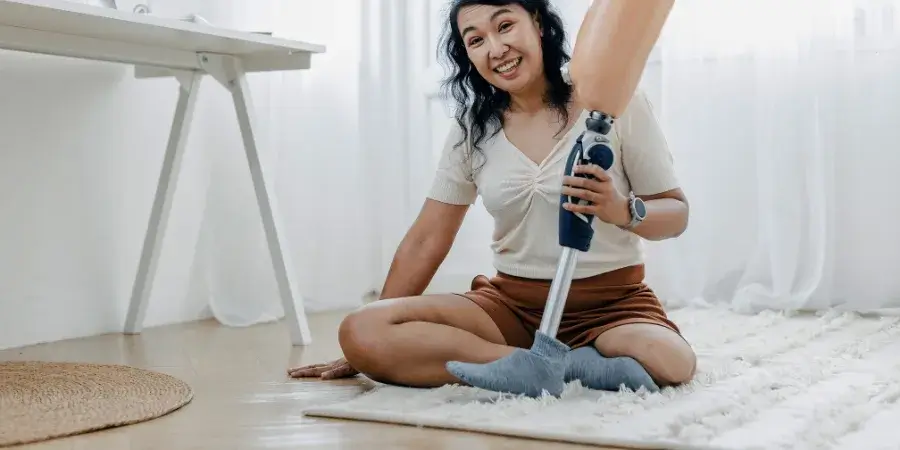
Prosthetic training is a specialized rehabilitation process that helps individuals who have undergone limb amputation learn to use their prosthetic device effectively and safely. This comprehensive program focuses on building strength, improving balance, retraining movement patterns, and developing the skills necessary for daily activities. The goal extends beyond simply wearing a prosthesis—it’s about restoring your independence, confidence, and quality of life through personalized therapeutic intervention.

Relevant Anatomy and Prosthetic Considerations

Understanding how your body adapts to a prosthetic limb is essential for successful rehabilitation:

  • Residual limb: The remaining portion of the amputated limb that interfaces with the prosthetic socket and requires conditioning for pressure tolerance
  • Sound limb: The non-amputated limb that often compensates during movement and needs strengthening to prevent overuse injuries
  • Core musculature: Abdominal and back muscles that provide stability and balance when adapting to altered biomechanics
  • Proprioceptive system: Sensory feedback mechanisms that must recalibrate to interpret movement and position without natural limb sensation
  • Prosthetic components: Socket, suspension system, knee/ankle mechanisms (if applicable) that must integrate seamlessly with your movement patterns
Prosthetic Training & Mobility Rehabilitation

Causes and Circumstances Leading to Prosthetic Need

Amputation may result from various medical and traumatic conditions:

  • Vascular disease: Peripheral artery disease or diabetes-related complications causing inadequate blood flow to extremities
  • Trauma: Motor vehicle accidents, workplace injuries, or severe crush injuries requiring surgical amputation
  • Infection: Severe infections like sepsis or necrotizing fasciitis that compromise limb viability
  • Cancer: Bone or soft tissue tumors requiring limb removal as part of oncological treatment
  • Congenital conditions: Birth differences where limbs did not fully develop, requiring early prosthetic intervention

Risk Factors for Prosthetic Adaptation Challenges

Certain factors may complicate the rehabilitation process:

  • Poor residual limb conditioning: Inadequate skin integrity, volume fluctuations, or pain sensitivity affecting prosthetic tolerance
  • Cardiovascular deconditioning: Reduced stamina and endurance making training sessions physically demanding
  • Psychological adjustment: Depression, anxiety, or body image concerns impacting motivation and engagement in rehabilitation
  • Inadequate prosthetic fit: Socket discomfort, alignment issues, or improper component selection limiting functional use
  • Concurrent medical conditions: Diabetes, obesity, arthritis, or neurological conditions complicating the rehabilitation trajectory

Common Symptoms and Functional Limitations

Individuals undergoing prosthetic training often experience:

  • Gait deviations: Limping, circumduction, vaulting, or uneven step length affecting walking efficiency and appearance
  • Balance difficulties: Unsteadiness during standing, transfers, or navigating uneven surfaces increasing fall risk
  • Residual limb discomfort: Socket pressure, skin irritation, phantom sensations, or neuromas causing pain during use
  • Compensatory strain: Overuse pain in the sound limb, back, or hips due to altered biomechanics
  • Reduced endurance: Fatigue limiting walking distance and participation in daily activities and community integration

Complications If Untreated

Without proper prosthetic training and rehabilitation, serious long-term consequences may develop:

  • Progressive gait abnormalities leading to chronic joint pain and degenerative changes
  • Increased fall risk resulting in fractures, head injuries, or loss of confidence
  • Sound limb overuse injuries including arthritis, tendinitis, and stress fractures
  • Social isolation and reduced quality of life from mobility limitations
  • Prosthetic abandonment and increased dependence on assistive devices or wheelchairs

Treatment at Physiocare for Prosthetic Training & Mobility

At Physiocare Physiotherapy & Rehab Centre, we understand that learning to use a prosthetic limb is both a physical and emotional journey. Our specialized rehabilitation programs combine evidence-based therapies with compassionate support to help you regain mobility, independence, and confidence in your daily life.

Comprehensive Treatment Approaches

DNS (Dynamic Neuromuscular Stabilization)

  • Restores optimal movement patterns by retraining the central nervous system’s control of posture and movement
  • Activates deep core stabilizers to improve balance and coordination with prosthetic integration
  • Addresses compensatory patterns that develop after amputation, reducing strain on remaining joints
  • Enhances proprioceptive awareness helping your brain reconnect with altered body mechanics

Red Cord Therapy (Neurac)

  • Uses suspension exercise to challenge neuromuscular control in a safe, supported environment
  • Progressively loads the residual and sound limbs to build strength without excessive joint stress
  • Improves weight-shifting ability and dynamic balance essential for confident prosthetic use
  • Identifies and corrects muscle imbalances that interfere with efficient gait patterns

Gait Training

  • Systematically teaches proper walking mechanics specific to your prosthetic type and functional goals
  • Addresses gait deviations like limping, uneven step length, and excessive energy expenditure
  • Progresses from parallel bars to independent ambulation across various surfaces and environments
  • Incorporates advanced skills like stairs, curbs, slopes, and community mobility challenges

Myofascial Release

  • Releases fascial restrictions in the residual limb, hips, and back that develop from altered movement
  • Reduces scar tissue adhesions around the amputation site improving tissue mobility and comfort
  • Addresses referred pain patterns that commonly arise from compensatory biomechanics
  • Improves circulation and tissue health supporting residual limb conditioning and prosthetic tolerance

Craniosacral Therapy

  • Addresses whole-body tension patterns and nervous system dysregulation following amputation
  • Supports emotional processing and trauma release that may accompany limb loss
  • Reduces phantom limb pain and hypersensitivity through gentle nervous system regulation
  • Promotes deep relaxation and stress reduction essential for optimal rehabilitation outcomes

How Physiotherapy Transforms Prosthetic Rehabilitation

Specialized physiotherapy is the cornerstone of successful prosthetic adaptation. Through targeted interventions, we address not only mobility challenges but also pain management, strength building, and functional independence. Our therapists create individualized programs that respect your unique circumstances, prosthetic components, and personal goals—whether returning to work, recreational activities, or simply moving confidently through your home.

Our Step-by-Step Approach

Assessment

Comprehensive evaluation of residual limb condition, prosthetic fit, movement patterns, strength, balance, and functional goals to establish baseline and identify specific challenges.

Personalized Plan

Collaborative development of a rehabilitation roadmap tailored to your prosthetic type, lifestyle requirements, and progression timeline with clear, achievable milestones.

Evidence-Based Treatment

Implementation of proven therapies including gait training, neuromuscular stabilization, manual therapy, and advanced modalities delivered by experienced prosthetic rehabilitation specialists.

Recovery & Prevention

Ongoing support for long-term success including home exercise programs, community reintegration strategies, and education to prevent complications while maximizing independence.

Location-Specific Prosthetic Training Services

Physiocare Physiotherapy & Rehab Centre - Nepean

  • Red Cord Therapy (Neurac)
  • Myofascial Release

Physiocare Physiotherapy & Rehab Centre - Westboro

  • DNS (Dynamic Neuromuscular Stabilization)
  • Myofascial Release
  • Craniosacral Therapy

Physiocare Physiotherapy & Rehab Centre - Kanata

  • DNS (Dynamic Neuromuscular Stabilization)
  • Red Cord Therapy (Neurac)
  • Myofascial Release
  • Craniosacral Therapy

Physiocare Physiotherapy & Rehab Centre - Stittsville

  • DNS (Dynamic Neuromuscular Stabilization)
  • Myofascial Release

Physiocare Physiotherapy & Rehab Centre - Barrhaven

  • Myofascial Release
  • Craniosacral Therapy

Why Choose Physiocare for Prosthetic Training & Mobility?

Our therapists hold advanced certifications in neuromuscular rehabilitation, gait analysis, and specialized prosthetic training methodologies. We combine cutting-edge therapies like DNS and Red Cord suspension training with compassionate, patient-centered care that honors your unique journey.

With six convenient locations across Ottawa, we provide consistent, high-quality care close to home. Whether you’re in Kanata, Barrhaven, or Westboro, you’ll find experienced physiotherapy in Ottawa that understands prosthetic rehabilitation requires not just clinical expertise, but genuine partnership in restoring your independence and confidence.

Frequently Asked Questions About Prosthetic Training & Mobility

Training typically begins once your residual limb has healed sufficiently, the swelling has stabilized, and your physician has cleared you—often 4-8 weeks post-surgery, though timelines vary individually.

Some discomfort during initial conditioning is normal as your residual limb adapts, but our therapists work within your tolerance, using pain management strategies to keep training productive and comfortable.

Duration varies based on amputation level, overall health, and goals—typically 3-6 months for basic mobility, with ongoing refinement for advanced activities and optimal function.

Previous challenges often stem from fit issues, inadequate training, or missing neuromuscular retraining. Our comprehensive approach addresses these gaps with advanced therapies many clinics don't offer.

While helpful, a referral is not required to begin physiotherapy in Ontario. You can book directly, and we'll coordinate with your prosthetist and medical team.

Yes, techniques like desensitization, mirror therapy, craniosacral therapy, and neuromuscular retraining have proven effective in reducing phantom sensations and pain for many individuals.

Many prosthetic users successfully return to athletics and recreation. We develop sport-specific training progressions and collaborate with adaptive sports organizations to support your goals.

Initially, 2-3 sessions weekly optimizes learning and conditioning. As you progress, frequency typically reduces while maintaining independence through home programs and periodic check-ins.

Bring your prosthesis, any liners or socks you use, comfortable clothing, relevant medical documents, and questions about your rehabilitation goals and concerns.

Many individuals notice improved confidence and reduced gait deviations within 2-4 weeks of consistent training, with continued refinement over subsequent months as neuromuscular patterns solidify.

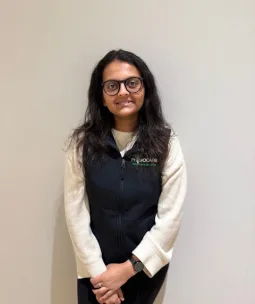
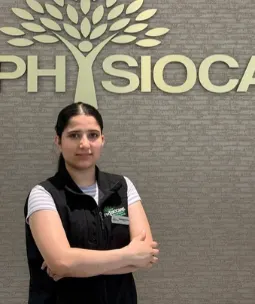
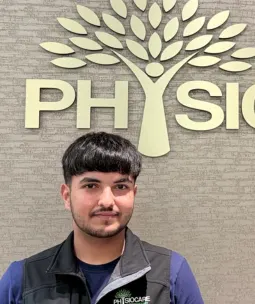
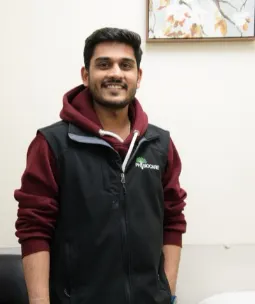
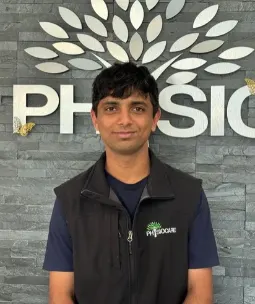
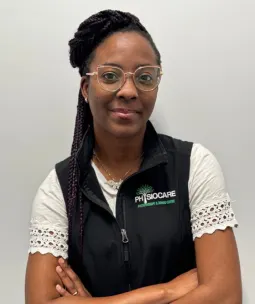
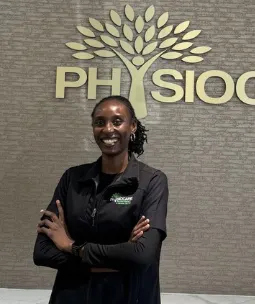
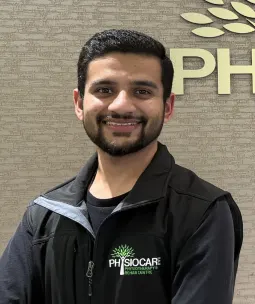
Our Professional Team at Physiocare

Healing Hands, Happy Hearts: What Our Patients Say

Citations and References

  1. Canadian Association of Prosthetists and Orthotists (CAPO). (2023). Clinical Practice Guidelines for Lower Limb Prosthetic Rehabilitation. Retrieved from https://www.capo.ca/
  2. Highsmith, M. J., et al. (2024). Neuromuscular training improves gait efficiency and reduces compensatory movement patterns in transtibial prosthetic users. Journal of Rehabilitation Research and Development, 61(2), 145-158. https://pubmed.ncbi.nlm.nih.gov/
  3. Mayo Clinic. (2024). Limb Loss: Rehabilitation and Prosthetic Training. Retrieved from https://www.mayoclinic.org/
  4. Webster, J. B., et al. (2023). Prosthetic Rehabilitation for Lower Limb Amputation: A Systematic Review. Physical Medicine and Rehabilitation Clinics of North America, 34(4), 789-812. https://pubmed.ncbi.nlm.nih.gov/
  5. Amputee Coalition. (2024). First Steps: A Guide to Adapting to Limb Loss. Retrieved from https://www.amputee-coalition.org/


Request Appointment

Register for Event

Please fill the form below to book your slot for the event

This will close in 0 seconds

Call Now Button