Physiocare Physiotherapy & Rehab Centre Ottawa






Updated on July 27, 2026

Written By
Prateeksha Viradiya
Resident Physiotherapist
Specializes in Aquatic Rehab and is a Certified Aquafit Instructor.
Specializes in Aquatic Rehab and is a Certified Aquafit Instructor.

✓ Clinically Reviewed By:
Gunjan Vermani
Director and Registered Physiotherapist







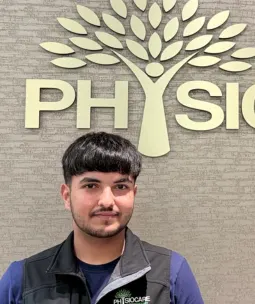
Prateeksha Viradiya –Physiotherapist at Physiocare in Ottawa Prateeksha Viradiya completed…
Prateeksha Viradiya
Registered Physiotherapist











Avneet Kaur – Registered Physiotherapist with Master's in Physiotherapy Experienced…
Avneet Kaur
Registered Physiotherapist

Vaishnavi Prasad – Physiotherapist | Pediatric, Neurological & Rehabilitation Specialist…
Vaishnavi Prasad
Neurological & Rehabilitation Specialist




Harshitkumar Patel - Resident Physiotherapist at Physiocare in Ottawa Harshitkumar…
Harshitkumar Patel
Resident Physiotherapist















Sharri-Anne: Compassionate and Skilled Medical Office Administrator in Ottawa Sharri-Anne…
Sharri-Anne Parsons
Patient Experience Manager/Corporate Office Manager














Shawn LaBelle
4 months ago
I went here for physiotherapy. My shoulder is getting better after each treatment received. The staff here is exceptional. Thank you to Mehul, Surekha, Mike and Kamal. I definitely recommend coming here!

K G
4 months ago
Due to injury, I needed to start physiotherapy at a new clinic because my previous physiotherapist is currently on maternity leave. To be honest, I was extremely nervous. As a plus size person, I was worried about being judged or body shamed, which unfortunately can be a real concern when seeking healthcare. I'm so grateful that my fears were completely unfounded. From the moment I called, the front desk staff was kind, welcoming, and respectful. They were able to get me in quickly, and I felt comfortable right from the start. My physiotherapist was compassionate, understanding, and completely focused on helping me recover from my injury—NOT on my body size. At no point did I feel judged, criticized, or made to feel uncomfortable. Instead, I felt listened to, respected, and supported. They took the time to explain everything, respected my boundaries, and only performed treatments that I was comfortable with. I never felt pressured into anything. Finding healthcare providers who treat you with dignity and respect can make all the difference, and that was absolutely my experience here. If you've ever been hesitant to seek treatment because you're worried about being judged for your body size, or the weight capacity of the physio tables I highly recommend this clinic. They made me feel safe, respected, and cared for throughout my visit.

Steve Simmons
4 months ago
The team at Physiocare are seasoned professionals and have shown care and understanding during my intense recovery. It is clear they are very experienced but also have excellent bedside manner. Highly recommend this establishment!

MC Chartrand
4 months ago
Excellent service and treatment. Efficient, friendly and understanding staff. Happy that I can continue to play my sports. Thank you Mehul and the excellent staff at your clinic.

Mac
7 months ago
I had a great experience at the clinic. Riddhi is very knowledgeable, professional, and caring. She takes the time to properly assess the problem and clearly explains the treatment plan.
Pooja and Ashish were excellent during my sessions. They were very attentive and supportive, always making sure the exercises were done correctly and safely. Their encouragement and positive attitude made the therapy sessions much easier and more motivating.
Samreen was very friendly and welcoming, was really helpful with scheduling appointments and answering questions.

Michael Belinson
7 months ago
I had a great experience at Physio Care and wanted to thank Vijay, Ashish, and Samreen for all their help. They were extremely professional, knowledgeable, and supportive throughout my recovery. They took the time to properly assess my injury, explain what was going on, and guide me through the right exercises and treatment to get me back on track. Everyone there created a really welcoming and positive environment, which made the whole process much easier. I really appreciate the care and attention they gave me and would highly recommend Physio Care to anyone looking for high-quality physiotherapy.

Adem mahamoud ali
7 months ago
I had a very good experience with the physiotherapy team. Vani and Riddhi (Physiotherapists) were very professional, knowledgeable, and took the time to understand my condition and explain the treatment clearly. They made sure my recovery plan was right for me and always checked on my progress.
The physio assistants Samreen, Ashish, and Pooja were also very helpful, friendly, and supportive during the exercises and therapy sessions. They made sure I was comfortable and guided me properly through every step.
The whole team created a positive and welcoming environment, and I really appreciate their care and dedication. I highly recommend this clinic to anyone who needs physiotherapy.

Amber M
8 months ago
I have been a patient at Physiocare on Greenbank for many years. The staff are very knowledgeable and friendly. You aren’t just a number here. The therapists care about you and want you to be feeling your best. Most recently I have been receiving regular weekly treatments by Nishika. She knows a lot about the body and the best ways to treat her patients. Her assistant Manjot is very kind and friendly and ensures your comfort when hooked up to machines. I enjoy chatting with her. Bhaumik has also stepped in to assist with my treatments when my regular team is busy helping other patients. His bedside manner is lovely and caring. He’s knowledgeable and goes the extra mile to ensure that you understand the treatment or exercise and that you are comfortable. I highly recommend this location for your physiotherapy.

Dharmik Prajapati
9 months ago
I had a great experience at this physiotherapy clinic physiocare (nepean) is highly professional, knowledgeable, and very patient in explaining each treatment. I noticed significant improvement in my condition thanks to their guidance and care.
I would also like to appreciate. Bhaumik panchal for being extremely supportive, polite, and well-organized. The overall environment was comfortable and welcoming.
I highly recommend this clinic to anyone looking for quality physiotherapy treatment.