Physiocare Physiotherapy & Rehab Centre Ottawa

Post-Hernia Repair Rehabilitation Treatment at Physiocare

Key Takeaways

  • Post-hernia repair rehabilitation restores core strength, reduces surgical site discomfort, and prevents recurrence through guided movement therapy.
  • Physiocare offers specialized treatments including DNS, myofascial release, visceral work, and manual lymphatic drainage tailored to your surgical recovery.
  • Early physiotherapy intervention accelerates healing, minimizes scar tissue formation, and safely rebuilds abdominal stability.
  • Conveniently located across Ottawa with personalized treatment plans designed for your unique recovery timeline and surgical approach.

Physiocare's Experience in Action

Understanding Post-Hernia Repair Rehabilitation

What Is Post-Hernia Repair Rehabilitation?

Post-hernia repair rehabilitation is a structured physiotherapy program designed to support your body’s healing after hernia surgery. Whether you’ve undergone inguinal, umbilical, incisional, or hiatal hernia repair, your abdominal wall needs careful guidance to rebuild strength without compromising the surgical repair. Rehabilitation focuses on restoring core stability, reducing pain, preventing complications, and helping you return confidently to daily activities and work.

Anatomy of the Abdominal Wall and Surgical Repair Site

Your abdominal wall consists of layered muscles—the rectus abdominis, external and internal obliques, and transversus abdominis—supported by connective tissue called fascia. During hernia repair, surgeons close the weakened area, often reinforcing it with mesh. The surrounding tissues experience trauma from incision, suturing, and inflammation. Understanding this layered structure helps you appreciate why gradual, guided rehabilitation protects your repair while safely restoring function and preventing excessive scar tissue buildup.

Causes and Reasons for Hernia Surgery

Hernias develop when abdominal contents push through weakened muscle or fascia, often due to:

  • Chronic heavy lifting or straining
  • Pregnancy and childbirth
  • Previous abdominal surgeries creating weak points
  • Genetic predisposition to connective tissue weakness
  • Persistent coughing or constipation increasing abdominal pressure

Surgery becomes necessary when hernias cause pain, grow larger, or risk strangulation—a dangerous complication where trapped tissue loses blood supply.

Risk Factors for Post-Surgical Complications

Certain factors may slow your recovery or increase complication risks:

  • Premature activity: Lifting heavy objects or intense exercise too soon
  • Poor wound care: Infection at the surgical site
  • Chronic coughing or constipation: Ongoing strain on healing tissues
  • Obesity or diabetes: Conditions affecting tissue healing
  • Smoking: Reduces blood flow and impairs wound recovery
  • Inadequate rehabilitation: Skipping physiotherapy guidance increases recurrence risk

Common Symptoms After Hernia Repair

Post-surgical experiences vary, but many patients report:

  • Surgical site tenderness and mild to moderate pain
  • Swelling and bruising around the incision area
  • Tightness or pulling sensations when moving or coughing
  • Fatigue and weakness in the abdominal region
  • Difficulty standing upright or performing basic movements

These symptoms are normal but shouldn’t be ignored—rehabilitation helps you navigate recovery safely.

Complications If Untreated

  • Chronic pain and discomfort limiting daily function
  • Hernia recurrence due to inadequate core strengthening
  • Excessive scar tissue causing restricted movement
  • Prolonged weakness affecting posture and balance
  • Increased risk of secondary musculoskeletal injuries

Treatment at Physiocare for Post-Hernia Repair Rehabilitation

Treatments We Offer Across Our Ottawa Clinics

Dynamic Neuromuscular Stabilization (DNS)

DNS retrains deep core activation patterns by reconnecting your brain with stabilizing muscles. After hernia surgery, your body compensates with incorrect movement strategies. DNS uses developmental positions to restore proper neuromuscular control, ensuring your repaired abdominal wall functions efficiently without excessive strain. This approach reduces recurrence risk while building foundational strength for long-term recovery.

Myofascial Release

Surgical incisions create adhesions and tightness in fascial layers surrounding your repair site. Myofascial release uses gentle, sustained pressure to release restrictions, improve tissue mobility, and reduce pulling sensations. By addressing fascial tension, this treatment enhances blood flow, accelerates healing, and restores comfortable movement patterns throughout your abdomen and lower back.

Visceral Work

Visceral manipulation addresses internal organ mobility affected by surgical trauma and scar tissue. Your intestines, bladder, and surrounding structures may develop adhesions that limit movement and cause discomfort. Gentle visceral techniques improve organ glide, reduce internal pulling sensations, and support digestive function, creating a more comfortable environment for your surgical repair to heal optimally.

Craniosacral Therapy

This subtle technique releases tension throughout your fascial system, from skull to sacrum. Post-surgical stress affects your entire body—not just the surgical site. Craniosacral therapy calms your nervous system, reduces systemic inflammation, and promotes deep relaxation. Patients often report improved sleep, reduced anxiety about movement, and enhanced overall recovery when this therapy complements their rehabilitation program.

Manual Lymphatic Drainage

Manual lymphatic drainage uses light, rhythmic strokes to stimulate lymph fluid movement, reducing post-surgical swelling and accelerating waste removal from healing tissues. Swelling around your surgical site can delay recovery and increase discomfort. This gentle technique enhances your immune response, minimizes bruising, and creates optimal conditions for tissue repair without adding strain to your surgical area.

Pneumatic Compression

Pneumatic compression devices apply controlled pressure cycles to reduce persistent swelling and improve circulation. If you’re experiencing stubborn edema around your incision site or throughout your abdomen, this therapy complements manual techniques by mechanically encouraging fluid movement. Enhanced circulation delivers oxygen and nutrients to healing tissues while removing inflammatory byproducts more efficiently.

Laser Therapy

Low-level laser therapy penetrates deep into tissues, stimulating cellular repair and reducing inflammation at the surgical site. Photobiomodulation accelerates wound healing, decreases pain signals, and minimizes scar tissue formation. Non-invasive and painless, laser treatments support your body’s natural healing mechanisms, helping you progress through rehabilitation stages more comfortably and effectively.

Deep Oscillation Therapy (DOT)

DOT creates electrostatic pulses that gently oscillate tissues without causing pain or stress to your repair. This unique therapy reduces inflammation, improves lymphatic drainage, and accelerates healing while being completely comfortable for sensitive post-surgical areas. Patients appreciate how DOT provides relief without requiring direct pressure on tender incision sites.

TENS (Transcutaneous Electrical Nerve Stimulation)

TENS uses mild electrical currents to interrupt pain signals traveling to your brain, providing non-pharmaceutical pain relief. After hernia repair, managing discomfort without relying solely on medications helps you stay active and engaged in rehabilitation. TENS units can be used at home between clinic visits, giving you control over your comfort level throughout recovery.

IFC (Interferential Current Therapy)

IFC delivers deeper-penetrating electrical stimulation than TENS, reducing pain and swelling while promoting muscle reeducation. This therapy reaches tissues beneath your surgical site, addressing deeper inflammation and helping restore normal muscle activation patterns. IFC supports your transition from passive pain management to active core strengthening exercises safely.

How Physiotherapy Helps Manage Post-Hernia Repair Recover

Physiotherapy provides structured guidance through every recovery phase, ensuring you rebuild strength without compromising your surgical repair. Our therapists monitor your healing progress, adjust exercise intensity appropriately, and address movement compensations before they become problematic. Evidence-based protocols reduce recurrence risk, restore confidence in daily activities, and accelerate your return to work and recreation safely.

Our Step-by-Step Recovery Approach

Assessment

Comprehensive evaluation of your surgical history, current symptoms, movement patterns, and recovery goals establishes your baseline and identifies factors affecting healing.

Personalized Plan

Your unique surgical approach, activity level, and timeline inform a customized program that progresses at your body’s pace—never rushing, never holding back unnecessarily.

Evidence-Based Treatment

Proven therapies targeting inflammation, scar tissue, core activation, and functional movement restore your abdominal wall integrity while preventing complications.

Recovery & Prevention

Graduated strengthening, body mechanics training, and long-term core stability strategies ensure you return to full function with confidence and reduced recurrence risk.

Location-Specific Treatment Options

Physiocare Physiotherapy & Rehab Centre - Nepean

  • Myofascial Release
  • Manual Lymphatic Drainage
  • Laser
  • DOT (Deep Oscillation Therapy)
  • TENS
  • IFC

Physiocare Physiotherapy & Rehab Centre - Carling

  • Myofascial Release
  • Manual Lymphatic Drainage
  • Laser
  • DOT (Deep Oscillation Therapy)
  • TENS
  • IFC

Physiocare Physiotherapy & Rehab Centre - Westboro

  • DNS (Dynamic Neuromuscular Stabilization)
  • Myofascial Release
  • Visceral Work
  • Craniosacral Therapy
  • Manual Lymphatic Drainage
  • Pneumatic Compression
  • Laser
  • DOT (Deep Oscillation Therapy)
  • TENS
  • IFC

Physiocare Physiotherapy & Rehab Centre - Kanata

  • DNS (Dynamic Neuromuscular Stabilization)
  • Myofascial Release
  • Visceral Work
  • Craniosacral Therapy
  • Laser
  • DOT (Deep Oscillation Therapy)
  • TENS
  • IFC

Physiocare Physiotherapy & Rehab Centre - Stittsville

  • DNS (Dynamic Neuromuscular Stabilization)
  • Myofascial Release
  • Laser
  • DOT (Deep Oscillation Therapy)
  • TENS
  • IFC

Physiocare Physiotherapy & Rehab Centre - Barrhaven

  • Myofascial Release
  • Visceral Work
  • Craniosacral Therapy
  • Manual Lymphatic Drainage
  • Laser
  • TENS
  • IFC

Physiocare Physiotherapy & Rehab Centre - South Keys

  • Myofascial Release
  • Manual Lymphatic Drainage
  • Laser
  • DOT (Deep Oscillation Therapy)
  • TENS
  • IFC

Why Choose Physiocare for Post-Hernia Repair Rehabilitation?

Our therapists hold advanced certifications in post-surgical rehabilitation, core restoration, and manual therapy techniques specifically designed for abdominal wall recovery. We understand the unique challenges hernia patients face—fear of reinjury, uncertainty about safe movement, and desire for complete recovery.

As a trusted physio clinic in Ottawa, we combine evidence-based protocols with compassionate, individualized care. Our multi-location accessibility means you can begin rehabilitation close to home immediately after surgery, and our collaborative approach ensures every team member supports your complete recovery journey.

Frequently Asked Questions

Most patients benefit from starting gentle rehabilitation within 1-2 weeks post-surgery, once your surgeon approves. Early intervention prevents complications while respecting your healing timeline.

Treatment should never cause sharp pain. You may experience mild discomfort as tissues mobilize, but we adjust techniques to keep you comfortable throughout every session.

Post-surgical rehabilitation is highly specialized and different from general physiotherapy. Our targeted approach addresses specific hernia repair challenges with advanced techniques and protocols.

No referral is required. You can book directly with our physiotherapists, though some insurance plans may request a physician's note for coverage purposes.

Most patients notice reduced pain and improved movement within 2-3 weeks. Complete recovery typically takes 8-12 weeks, depending on surgical complexity and adherence to your program.

Yes. Proper core strengthening, body mechanics training, and addressing underlying weakness significantly reduce recurrence risk—studies show supervised rehabilitation lowers recurrence rates substantially.

Most patients return to all activities, including heavy lifting and sports, with proper rehabilitation and technique modification. Your therapist guides safe progression toward your specific goals.

Initially, 2-3 sessions weekly optimize healing. As you progress, frequency decreases to weekly, then maintenance visits as needed for continued strength building.

It's never too late. Even years post-surgery, patients benefit from addressing lingering weakness, scar tissue restrictions, and compensatory movement patterns affecting quality of life.

Contact us immediately. New or worsening pain may indicate complications requiring assessment. We provide guidance between sessions and adjust your program to address concerns promptly.

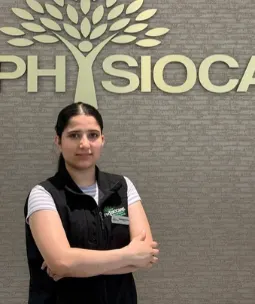
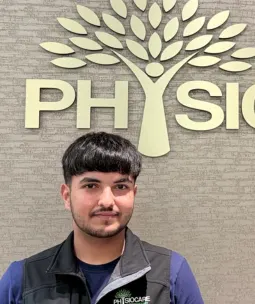
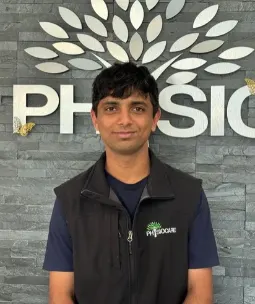
Our Professional Team at Physiocare

Healing Hands, Happy Hearts: What Our Patients Say

Citations and References​

  1. Agarwal BB, et al. (2021). “Role of physiotherapy in postoperative hernia repair rehabilitation.” Journal of Clinical and Diagnostic Research, 15(3), YC01-YC04. doi:10.7860/JCDR/2021/47896.14664
  2. Bittner R, et al. (2024). “Guidelines for laparoscopic treatment of ventral and incisional abdominal wall hernias (International Endohernia Society).” Surgical Endoscopy, 38, 1-39. doi:10.1007/s00464-023-10631-3
  3. Canadian Society for Exercise Physiology (2023). “Core strengthening and rehabilitation following abdominal surgery: Evidence-based protocols.” Applied Physiology, Nutrition, and Metabolism, 48(8), 612-628.
  4. Deerenberg EB, et al. (2022). “A systematic review of early postoperative outcomes in patients undergoing elective ventral hernia repair.” Hernia, 26(3), 789-801. doi:10.1007/s10029-021-02533-9
  5. Mayo Clinic (2024). “Hernia repair: What to expect during recovery and rehabilitation.” Retrieved from https://www.mayoclinic.org/tests-procedures/hernia-repair/about/pac-20394794
  6. Petro CC, et al. (2023). “Patient-reported outcomes following open ventral hernia repair: A comprehensive analysis of the impact of early physical therapy intervention.” Journal of the American College of Surgeons, 236(4), 672-683. doi:10.1097/XCS.0000000000000583
Request Appointment

Register for Event

Please fill the form below to book your slot for the event

This will close in 0 seconds

Call Now Button