
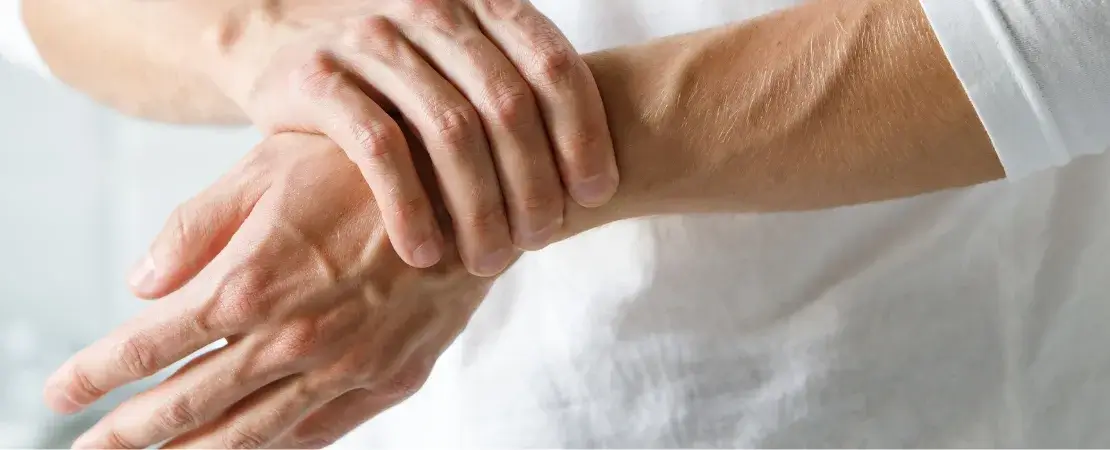
Guitar Player Injuries & Physiotherapy
How Guitarists Can Play Pain-Free
Playing the guitar is more than music — it’s emotion flowing through your fingertips. Whether you’re gently strumming at home, recording in the studio, or performing under stage lights, your body works just as hard as your creativity.
But here’s something many musicians don’t realize until pain interrupts their passion:
Guitar playing is physically demanding.
As a Registered Physiotherapist working with musicians in Ottawa, I’ve seen how repetitive practice, poor posture, and long rehearsals quietly lead to pain in the wrists, forearms, neck, and back. What starts as mild stiffness can gradually affect performance, precision, and confidence.
The encouraging news? With the right physiotherapy approach, most guitar-related injuries are completely manageable — and often preventable.
Why Guitarists Are Prone to Injury
Research in performing arts medicine confirms that musicians experience high rates of musculoskeletal disorders. A 2023 systematic review published in Medical Problems of Performing Artists reported that up to 89% of professional musicians experience performance-related musculoskeletal pain at some point in their career. String instrumentalists, including guitarists, are among the highest risk groups due to repetitive finger movements and sustained static posture.
Unlike athletes who cross-train and condition their bodies, musicians often train technique but neglect physical conditioning. Over time, this imbalance becomes problematic.
Pain is not dedication.
Pain is information.
Common Injuries in Guitar Players
1. Wrist & Hand Injuries
Your hands perform thousands of precise micro-movements during a single practice session. That repetition creates strain.
Common Conditions
- Tendinitis
- Carpal Tunnel Syndrome
- De Quervain’s Tenosynovitis
Why They Occur
- Repetitive finger flexion and extension
- Excessive gripping pressure
- Sustained wrist flexion or deviation
Recent clinical evidence in the Journal of Hand Therapy (2022) highlights that prolonged wrist flexion combined with repetitive loading significantly increases median nerve compression risk — especially when breaks are not incorporated.
Symptoms
- Tingling or numbness in fingers
- Reduced grip strength
- Pain that worsens with continued playing
2. Forearm Overuse Injuries
Fast picking, barre chords, and long rehearsals overload the forearm flexors and extensors.
A 2021 study on repetitive strain injuries found that muscle endurance deficits — not just strength — are a key contributor to overuse injuries in musicians.
Symptoms
- Burning or aching sensations
- Reduced endurance
- Tightness that persists after playing
3. Shoulder & Neck Pain
Rounded shoulders. Forward head posture. Elevated scapulae.
It’s a common posture pattern I assess frequently in guitarists across Ottawa.
Research in Clinical Biomechanics (2020) shows that forward head posture increases cervical spine loading by up to 30%, contributing to chronic neck tension and headaches.
Common Causes
- Slouched seated posture
- Poor strap height
- Elevated shoulders during performance
Symptoms
- Neck stiffness
- Shoulder tightness
- Tension headaches after long sessions
4. Lower Back Pain
Sitting for extended rehearsals without lumbar support places sustained load on the lower spine.
Asymmetrical posture — especially when resting the guitar predominantly on one thigh — creates muscular imbalance over time.
Risk Factors
- Lack of lumbar support
- Leaning forward excessively
- Core weakness
How Physiotherapy Helps Guitar Players
Physiotherapy for musicians is not just about pain relief — it’s performance optimization.
1. Detailed Movement Assessment
We evaluate:
- Playing posture and instrument positioning
- Joint mobility and muscle flexibility
- Strength imbalances
- Endurance deficits
- Repetitive strain patterns
This ensures we treat the root cause, not just the symptom.
2. Evidence-Based Pain Relief
Treatment may include:
- Manual therapy
- Soft tissue release
- Joint mobilization
- Dry needling (where appropriate)
- Exercise-based rehabilitation
Current research strongly supports exercise therapy as the most effective long-term solution for chronic musculoskeletal pain.
3. Posture & Ergonomic Correction
Small adjustments can create dramatic results:
- Neutral wrist alignment
- Relaxed shoulder positioning
- Optimal guitar strap height
- Proper seated lumbar support
Even subtle corrections reduce strain and improve endurance.
4. Strength & Endurance Conditioning
Here’s what many musicians overlook:
Endurance matters more than strength.
We design programs to:
- Strengthen deep neck flexors
- Improve scapular stability
- Enhance forearm endurance
- Build core support for prolonged sitting
A 2022 sports medicine study confirmed that endurance-focused training significantly reduces recurrence of overuse injuries.
5. Mobility & Recovery Programs
Targeted stretching improves:
- Circulation
- Tissue elasticity
- Recovery time
Areas of focus:
- Fingers & wrists
- Forearms
- Upper back & cervical spine
Injury Prevention Tips for Guitar Players
- Warm up 5–10 minutes before playing
- Take breaks every 30–45 minutes
- Avoid excessive gripping force
- Maintain neutral wrist alignment
- Strengthen your upper back and core
- Never ignore persistent pain
Remember: Prevention is far easier than rehabilitation.
When Should You See a Physiotherapist?
Seek professional assessment if:
- Pain lasts more than a few days
- Tingling or numbness develops
- Strength or coordination decreases
- Playing becomes limited or uncomfortable
Early intervention prevents chronic injury and prolonged downtime.
Final Thoughts
Guitar playing should feel expressive — not exhausting. Powerful — not painful.
Pain does not mean your musical journey is over. It means your body is asking for support.
With proper physiotherapy guidance, guitarists can return stronger, more efficient, and more resilient than before.
At Physiocare Physiotherapy and Rehab Centre in Ottawa, we are passionate about helping musicians protect their craft. Because your hands are not just body parts — they are your voice.
Take care of them, and they will take care of your music.
FAQs:
Common guitar-related injuries include tendinitis, carpal tunnel syndrome, De Quervain’s tenosynovitis, forearm strain, neck pain, shoulder tension, and lower back discomfort. These typically result from repetitive movements, prolonged posture, and inadequate rest during practice sessions.
Physiotherapy reduces wrist pain through targeted exercises, manual therapy, posture correction, and ergonomic guidance. Treatment focuses on decreasing inflammation, improving wrist alignment, strengthening supporting muscles, and restoring endurance to prevent recurring strain during practice and performance.
Yes, repetitive finger movements combined with prolonged wrist flexion can contribute to median nerve compression, leading to carpal tunnel syndrome. Early physiotherapy intervention helps reduce nerve irritation and prevents progression to chronic symptoms or functional limitation.
Maintain neutral spine alignment, avoid rounded shoulders, adjust strap height properly, and take regular breaks. Strengthening upper back muscles and improving scapular stability significantly reduces tension and enhances endurance during long practice sessions.
If pain persists beyond mild soreness, reduce playing time and seek assessment. Playing through sharp or persistent pain can worsen inflammation and delay recovery. Early management allows faster return without long-term damage.
Recovery depends on severity, but mild tendinitis may improve within 2–4 weeks with guided physiotherapy. Chronic cases can take longer. Consistent exercises, load management, and ergonomic correction are essential for complete recovery.
Yes, Physiocare Physiotherapy and Rehab Centre in Ottawa provides personalized treatment for musician-related injuries. Care includes detailed posture analysis, manual therapy, dry needling, and performance-focused rehabilitation programs tailored specifically for guitarists.
Physiotherapists typically recommend forearm endurance training, wrist mobility drills, scapular stabilization exercises, deep neck flexor strengthening, and core activation work. These exercises improve resilience, reduce strain, and enhance long-term playing performance.
Categories
About the Author

Prateeksha Viradiya
Certified in Pelvic Floor, Acupuncture, Certified ROST Therapist | RAPID Treatment Specialist at Physiocare Physiotherapy and Rehab Centre
View Full Bio
Ask Our Physiotherapist for More Information
Subscribe To Our Newsletter
Your health is our priority, and we’re committed to partnering with you to achieve your optimal wellness.